Why it works: Beer and vinegar work together. They rank in the top 13% of all ingredient pairs, and cooks put them together in 302 recipes. Both carry isoamyl acetate, which smells banana, fruity. The science ↓
Home-made Vinegar
Ingredients
Directions
Prepare the cask
Combine 5 pounds of coarse brown sugar with 4 gallons of water in a cask.
Cover the cask with muslin to keep out insects.
Make the mixture
Mix 1 pint of treacle with very sour beer.
After 2 days, add 1 pint of vinegar.
Boil 3 quarts of spring water.
Add 1 quart of bruised gooseberries.
Let the mixture sit for 4 days, stirring frequently.
Strain through a fine bag.
Add 1 pound of coarse sugar for each gallon of liquid.
Ferment
Place the mixture in a barrel with a toast dipped in yeast.
Cover the barrel and set it in the sun until fermentation stops.
Transcribed from a scanned cookbook and modernised for today's kitchens. Where the book gave no heat or time, or said "a moderate oven", the temperatures and times here may be modern equivalents rather than the book's own figures.
Explore the science
The flavor team
The pairs that carry this dish. Each one is judged two ways: how much their aromas overlap, and how often cooks already put them together.
-
Beer + vinegartop 13% of all pairsSmell alikemoderateCooked together302 recipes
Shared aroma: isoamyl acetate (banana, fruity).
-
Sugar + vinegartop 15% of all pairsSmell alikemoderateCooked together20,806 recipes
Shared aroma: beta-damascenone (apple, rose).
-
Sugar + beertop 22% of all pairsSmell alikelowCooked together699 recipes
Shared aroma: beta-damascenone (apple, rose).
Ranks compare each pair with 20,000 random ingredient pairs on CompKitchen. How we score pairs
What each ingredient does
- Coarse brown sugar
- Provides the sugar that yeast ferments into alcohol, which then becomes acetic acid.
- Treacle
- Adds sugars and molasses flavour that feed the fermentation.
- Very sour beer
- Supplies acidity and live microbes that start the vinegar fermentation.
- Vinegar
- Adds existing acetic acid, giving the mixture a head start toward sourness.
- Bruised gooseberries
- Contribute fruit acids, flavour and wild microbes to the fermenting liquid.
- Yeast
- Starts alcoholic fermentation on the toast, feeding the process before acetic fermentation.
The step that matters
Leaving the barrel in the sun until fermentation stops. Vinegar needs a first alcoholic fermentation followed by acetic fermentation driven by oxygen-loving bacteria. Covering the barrel with muslin-type cloth lets air in while keeping insects out, and steady warmth keeps the bacteria active. Stopping too early leaves sweet or weak vinegar.
“What each ingredient does” and “The step that matters” were written by Claude from this recipe’s own method and reviewed in samples by CompKitchen.
You might also like
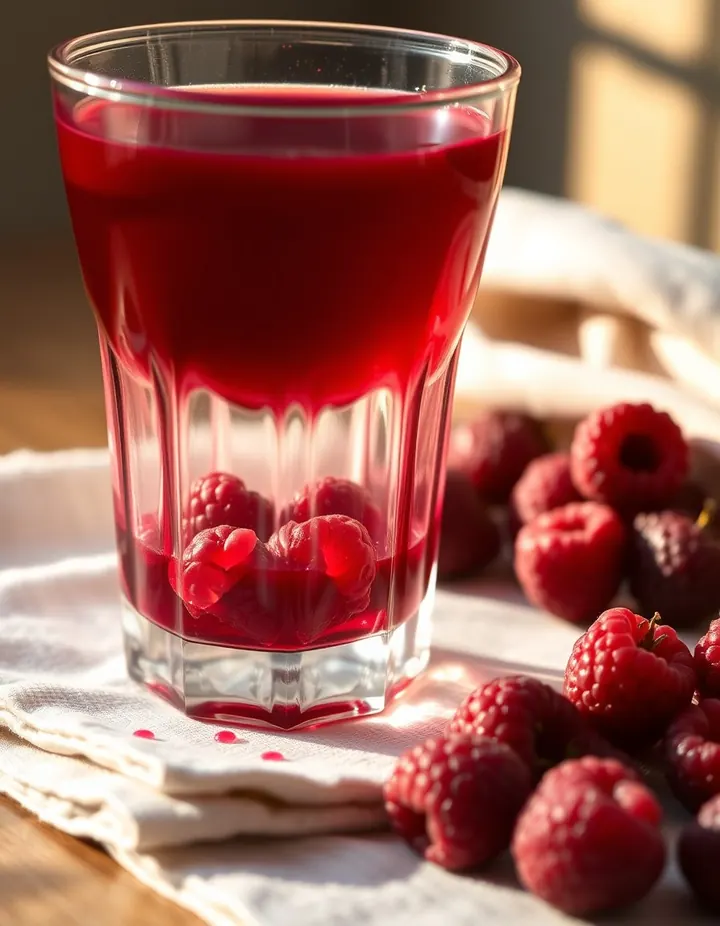 Raspberry Vinegar214 recipes
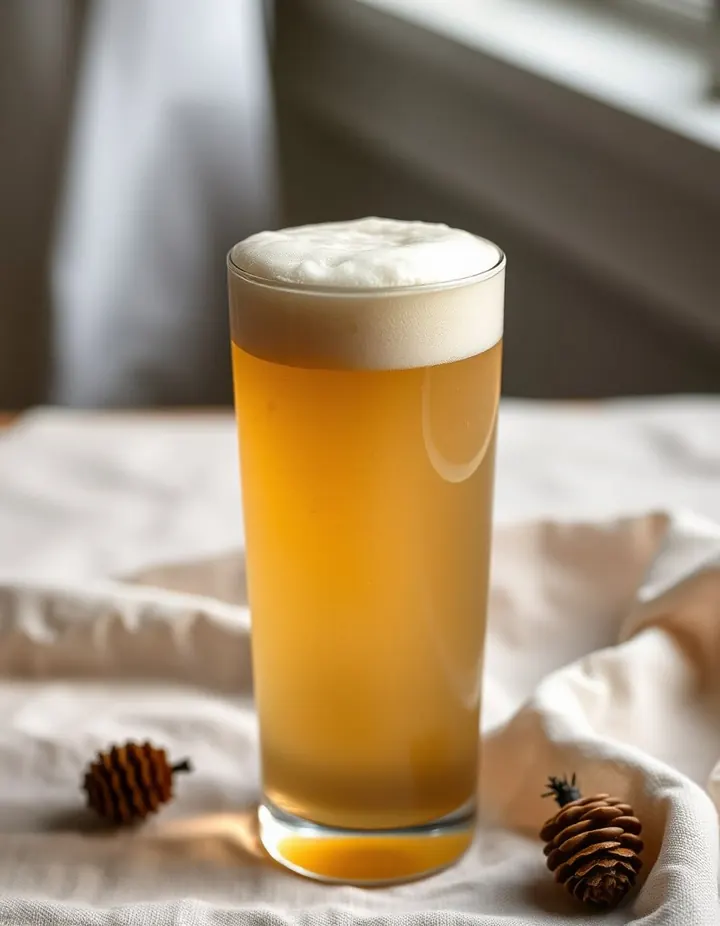 Spruce Beer58 recipes
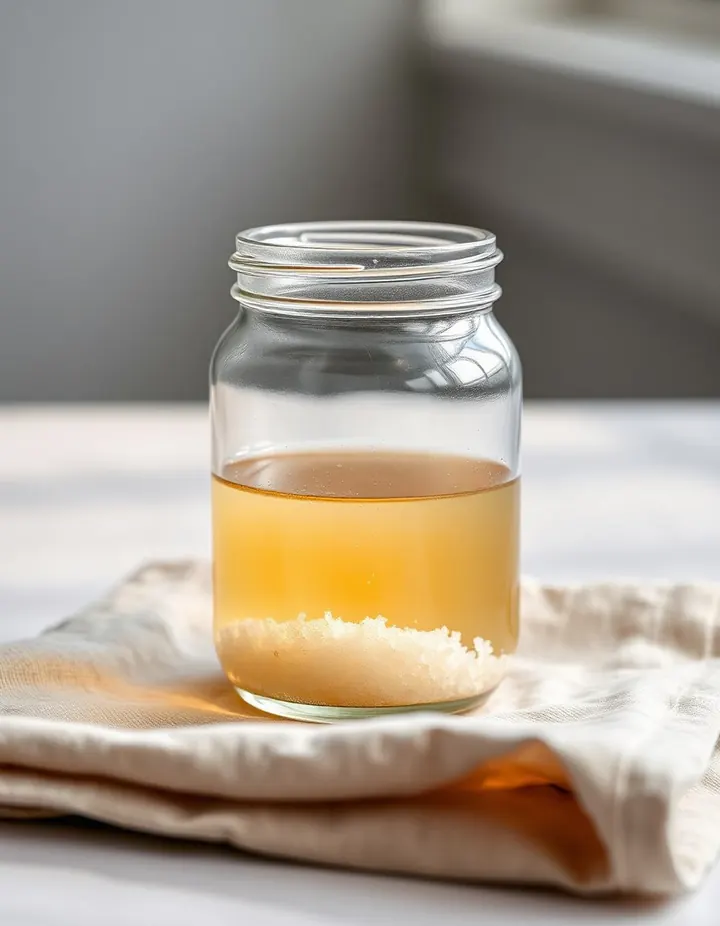 Sugar Vinegar20 recipes
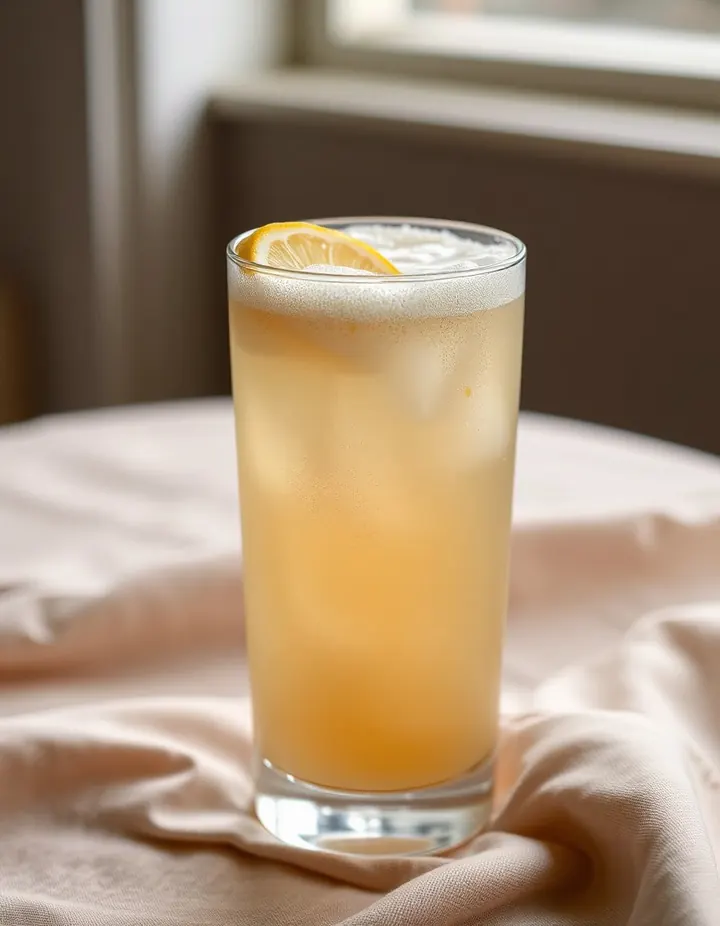 Ginger Beer11 recipes
The free Flavor Lab newsletter: one surprising pairing a week and the molecular reason it works, in 60 seconds. No spam, unsubscribe anytime.
Prefer an account? Create a free account to save pairings and unlock the full chemistry.