Why it works: Pepper and allspice match in chemistry and in kitchens. They rank in the top 5% of all ingredient pairs, and cooks put them together in 6,395 recipes. Both carry estragole, which smells anise, licorice. The science ↓
Venison Pasty
Ingredients
Directions
The book says “a slow oven”. The 300°F (150°C) in the steps is the modern equivalent, not the book's own figure.
Prepare the venison
Bone the venison and trim off all the skin.
Cut it into 2-inch square pieces.
In a stew pan, combine the venison pieces, port wine, sliced onions or shallots, pepper, salt, mace, allspice, and enough veal broth to cover.
Cook over low heat until three-quarters done.
In another saucepan, place the trimmings and cover with water.
Bring to a boil.
Remove the venison pieces for the pasty and place them in a deep dish with a little of their cooking liquid to cool.
Add the remaining cooking liquid to the bones and trimmings and boil until the pasty is ready.
Assemble and bake
Prepare a pastry crust as per your preferred recipe and cover the pasty with it, ornamenting the top.
Bake in a 300°F (150°C) oven for 2 hours.
Make the sauce and serve
Before serving, pour in a sauce made from the strained and skimmed gravy, adding pepper, salt, ⅓ cup port, lemon juice, and a little flour and butter to thicken.
Transcribed from a scanned cookbook and modernised for today's kitchens. Where the book gave no heat or time, or said "a moderate oven", the temperatures and times here may be modern equivalents rather than the book's own figures.
Explore the science
The flavor team
The pairs that carry this dish. Each one is judged two ways: how much their aromas overlap, and how often cooks already put them together.
-
Pepper + allspicetop 5% of all pairsSmell alikestrongCooked together6,395 recipes
Shared aroma: estragole (anise, licorice).
-
Mace + allspicetop 7% of all pairsSmell alikemoderateCooked together3,189 recipes
Shared aroma: methyleugenol (clove, spice).
-
Venison + port winetop 10% of all pairsSmell alikelowCooked together239 recipes
Shared aroma: 1-octen-3-ol (mushroom, earthy).
-
Onion + peppertop 11% of all pairsSmell alikemoderateCooked together68,474 recipes
Shared aroma: 2-isopropyl-3-methoxypyrazine (earthy, pea).
-
Allspice + flourtop 13% of all pairsSmell alikemoderateCooked together4,302 recipes
Shared aroma: isobutyraldehyde (malty, green).
Ranks compare each pair with 20,000 random ingredient pairs on CompKitchen. How we score pairs
What each ingredient does
- Venison
- Provides the meat that becomes tender and rich during slow, gentle cooking.
- Port wine
- Adds sweetness and depth of flavour to the braising liquid and sauce.
- Onions or shallots
- Add sweetness and aroma that build the savoury base of the cooking liquid.
- Flour and butter
- Thicken the strained gravy into a smooth, glossy sauce.
- Veal broth
- Supplies moisture and savoury body to the cooking liquid and gravy.
The step that matters
Cooking the venison to three-quarters done. Stopping before full doneness matters because the meat finishes in the oven; cooking it fully here would leave it dry and stringy after baking for two hours.
Swap the mace
How well each one fits the dish's main ingredients (venison, port wine, onion, pepper, allspice, veal, flour):
- Thymefits better
- Marjoramfits better
- Clovefits better
- Macethe original
Fit is the average pairing score against venison, port wine, onion, pepper, allspice, veal, flour. Candidates are from the same food group and used in at least 100 recipes.
“What each ingredient does” and “The step that matters” were written by Claude from this recipe’s own method and reviewed in samples by CompKitchen.
You might also like
 Lemon Sauce236 recipes
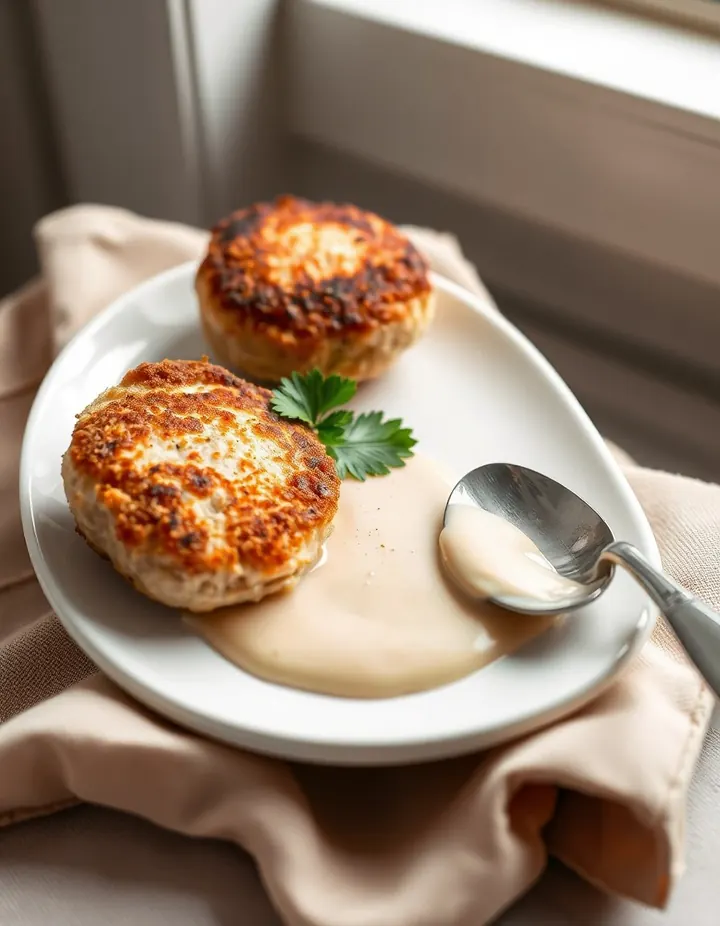 Veal Patties50 recipes
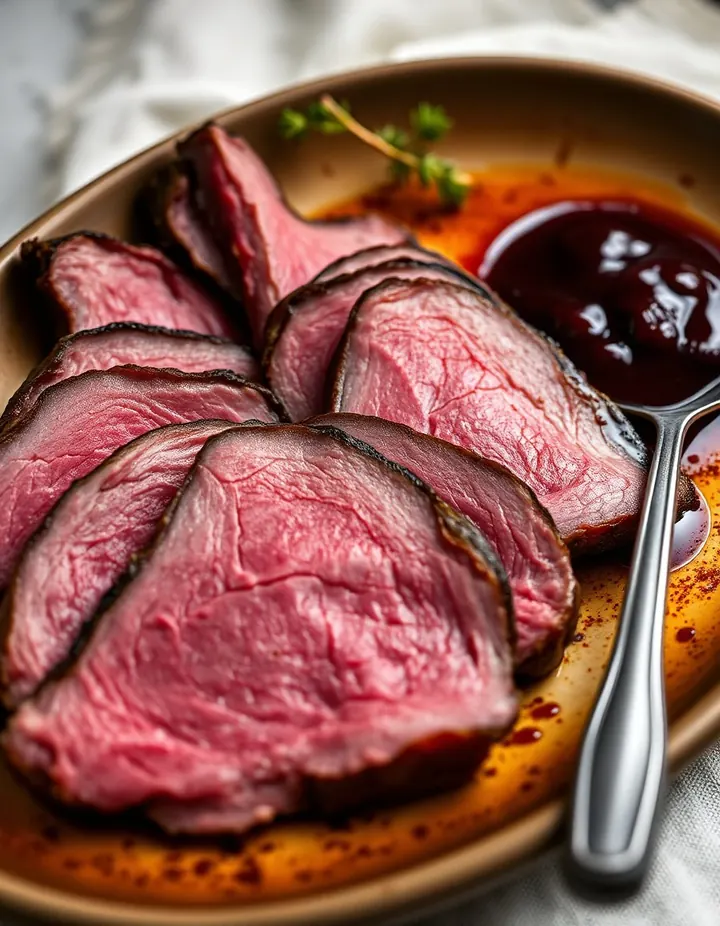 Roast Venison20 recipes
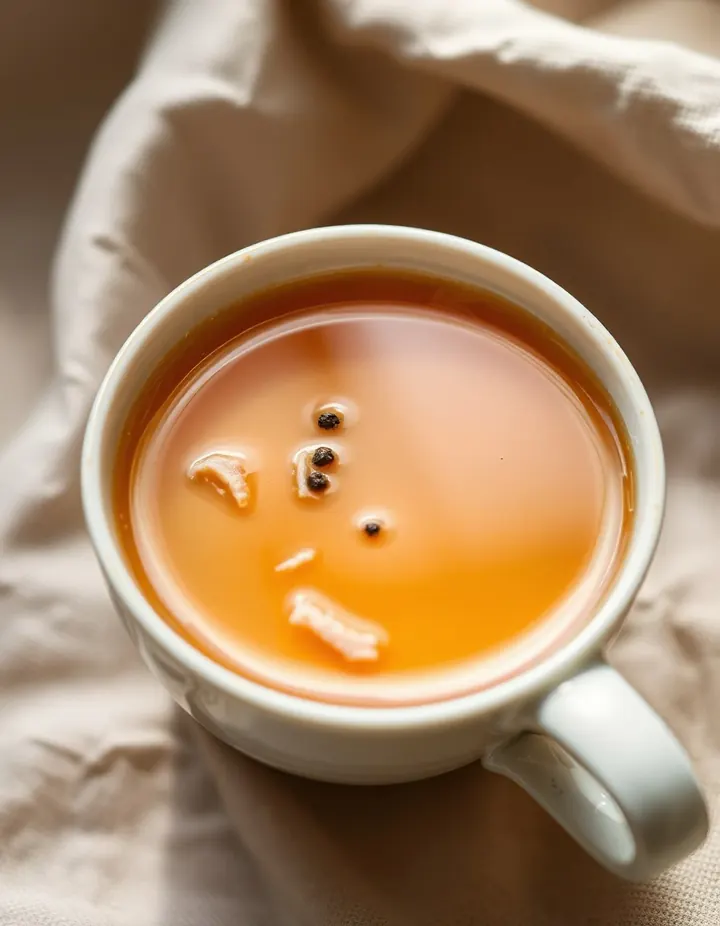 Beef, Mutton, or Veal Broth6 recipes
The free Flavor Lab newsletter: one surprising pairing a week and the molecular reason it works, in 60 seconds. No spam, unsubscribe anytime.
Prefer an account? Create a free account to save pairings and unlock the full chemistry.