Why it works: Cucumber and cabbage match in chemistry and in kitchens. They rank in the top 5% of all ingredient pairs, and cooks put them together in 722 recipes. Both carry 2-isopropyl-3-methoxypyrazine, which smells earthy, pea. The science ↓
Preserved Fruit, Jellies, &C
Ingredients
Directions
Place large, green cucumbers in a broad jar or stew pot, covered with a cabbage leaf, and set in a warm place until they turn yellow.
Boil salt and water, then pour it over the cucumbers, repeating until they remain green.
Wash the cucumbers and place them over low heat in clean water with a bit of finely pounded alum, and a cabbage leaf underneath and on top, until just tender.
Remove from heat and let cool.
Cut the cucumbers in half, remove the seeds and soft pulp, and soak in cold spring water for two days, changing the water each day.
Transcribed from a scanned cookbook and modernised for today's kitchens. Where the book gave no heat or time, or said "a moderate oven", the temperatures and times here may be modern equivalents rather than the book's own figures.
Explore the science
The flavor team
The pairs that carry this dish. Each one is judged two ways: how much their aromas overlap, and how often cooks already put them together.
-
Cucumber + cabbagetop 5% of all pairsSmell alikestrongCooked together722 recipes
Shared aroma: 2-isopropyl-3-methoxypyrazine (earthy, pea).
Ranks compare each pair with 20,000 random ingredient pairs on CompKitchen. How we score pairs
You might also like
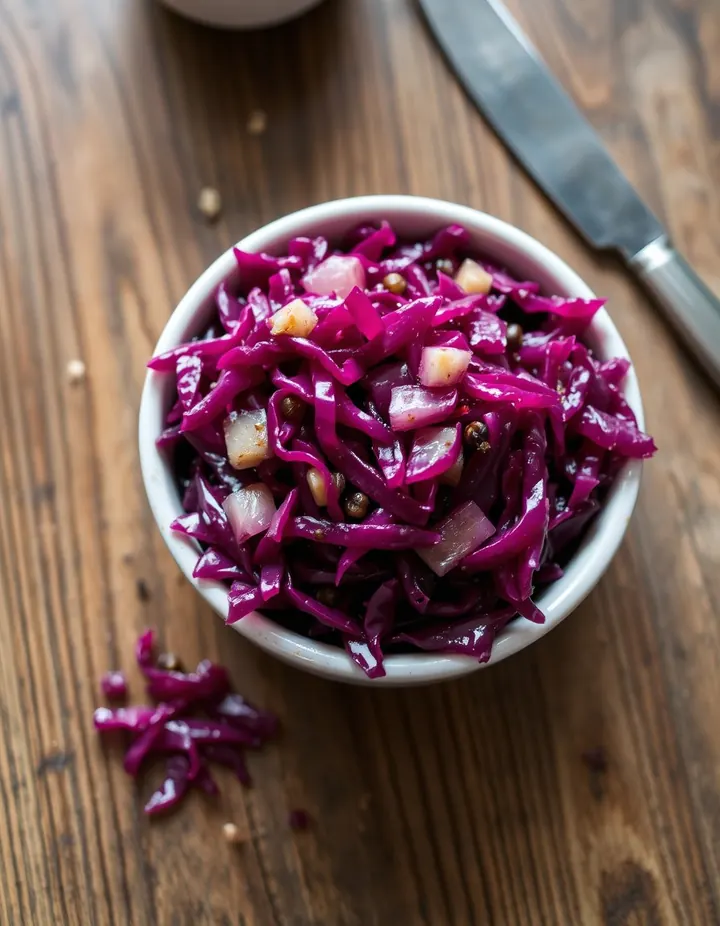 Red Cabbage65 recipes
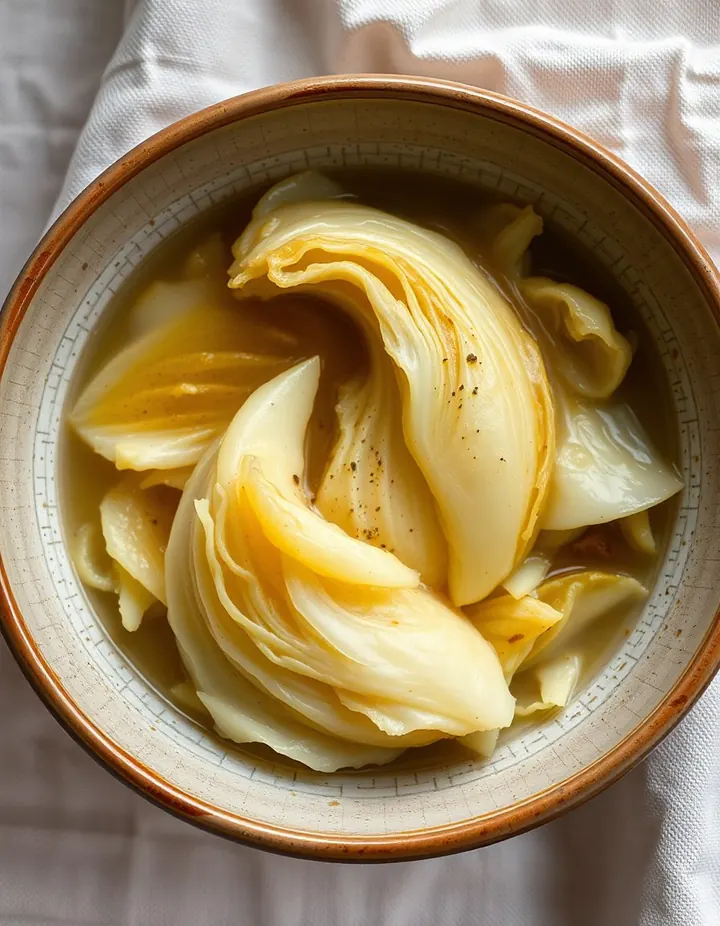 Stewed Cabbage58 recipes
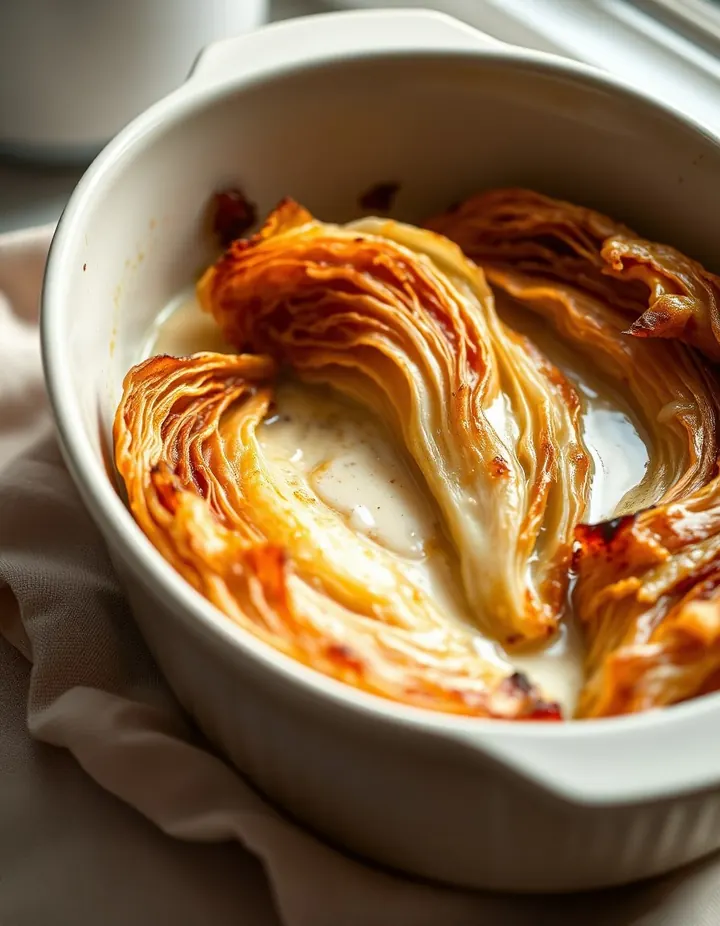 Baked Cabbage51 recipes
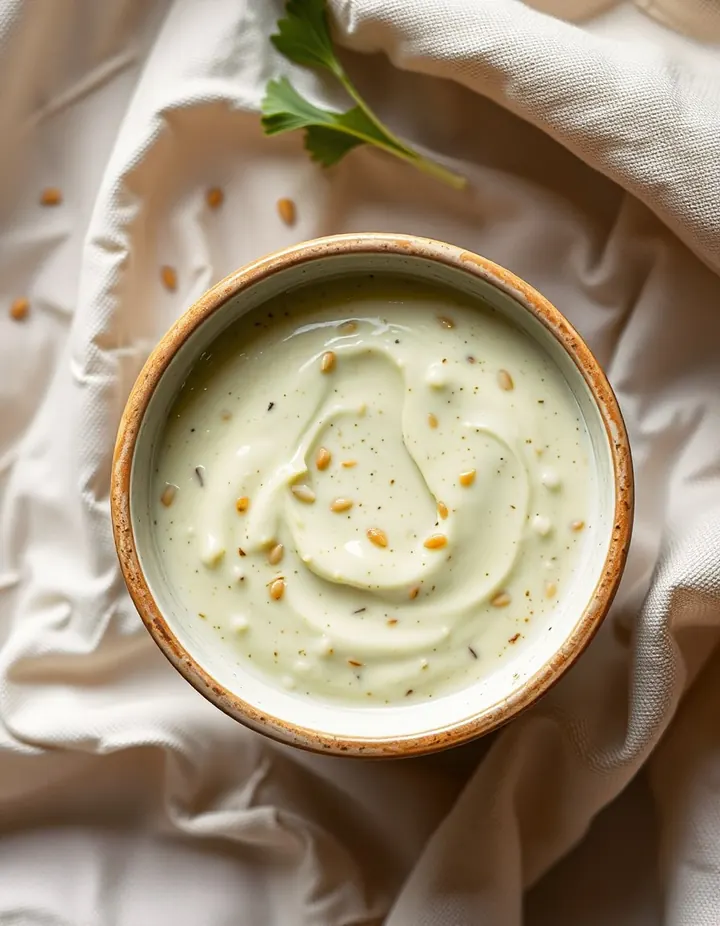 Cabbage Dressing19 recipes
The free Flavor Lab newsletter: one surprising pairing a week and the molecular reason it works, in 60 seconds. No spam, unsubscribe anytime.
Prefer an account? Create a free account to save pairings and unlock the full chemistry.