Why it works: Salmon and sugar work together. They rank in the top 35% of all ingredient pairs, and cooks put them together in 931 recipes. Both carry guaiacol, which smells smoky, sweet. The science ↓
To Dry Salmon
Ingredients
Directions
Prepare the fish
Split the fish and remove the insides and roe.
Scale the fish and rub it with common salt.
Let it stand for 24 hours to drain.
Cure
Mix saltpetre, coarse sea salt, and coarse sugar; rub this mixture into the salmon.
Place the salmon on a dish or tray for 2 days.
Rub it well with common salt and let it sit for another 24 hours.
Dry
Dry the salmon well after draining; hang it in a chimney with a wood fire or in a dry place, using small sticks to keep it open.
Transcribed from a scanned cookbook and modernised for today's kitchens. Where the book gave no heat or time, or said "a moderate oven", the temperatures and times here may be modern equivalents rather than the book's own figures.
Explore the science
The flavor team
The pairs that carry this dish. Each one is judged two ways: how much their aromas overlap, and how often cooks already put them together.
-
Salmon + sugartop 35% of all pairsSmell alikelowCooked together931 recipes
Shared aroma: guaiacol (smoky, sweet).
Ranks compare each pair with 20,000 random ingredient pairs on CompKitchen. How we score pairs
What each ingredient does
- Salmon
- Forms the body of the dish; salting and drying concentrate its flesh and firm its texture.
- Saltpetre
- Helps preserve the fish and gives the cured flesh its characteristic reddish colour.
- Coarse sea salt
- Draws moisture out of the fish and seasons it during the cure.
- Coarse sugar
- Balances the salt's sharpness and adds mild sweetness to the cure.
The step that matters
Drying the salmon well after draining. Surface moisture left on the fish lets spoilage microbes grow, so the fish must be thoroughly dried before hanging. Good air flow around it, kept open with small sticks, helps it dry evenly.
“What each ingredient does” and “The step that matters” were written by Claude from this recipe’s own method and reviewed in samples by CompKitchen.
You might also like
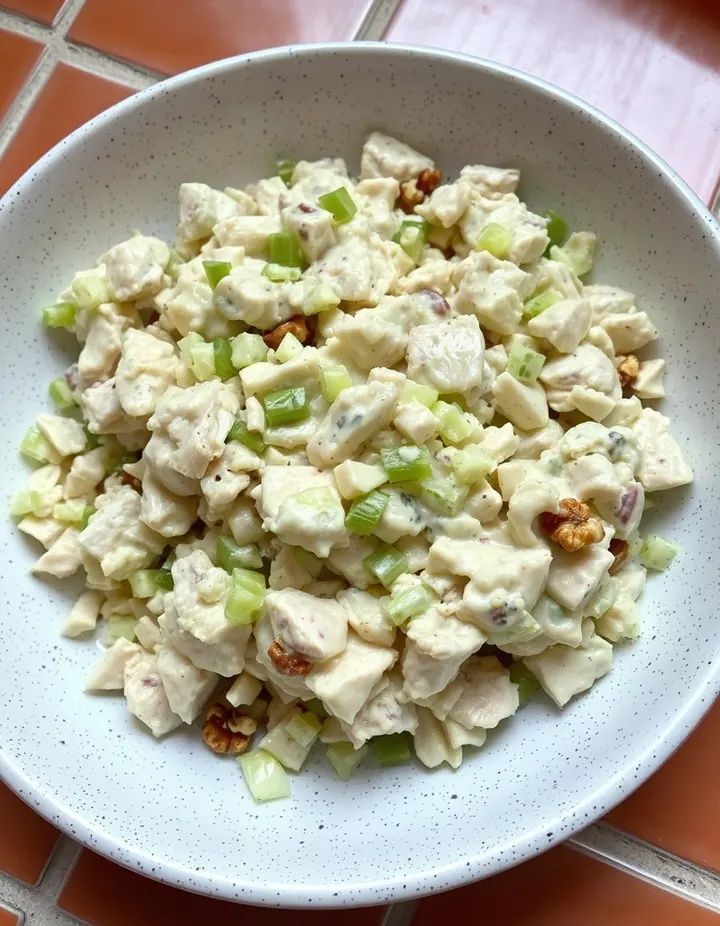 Chicken Salad623 recipes
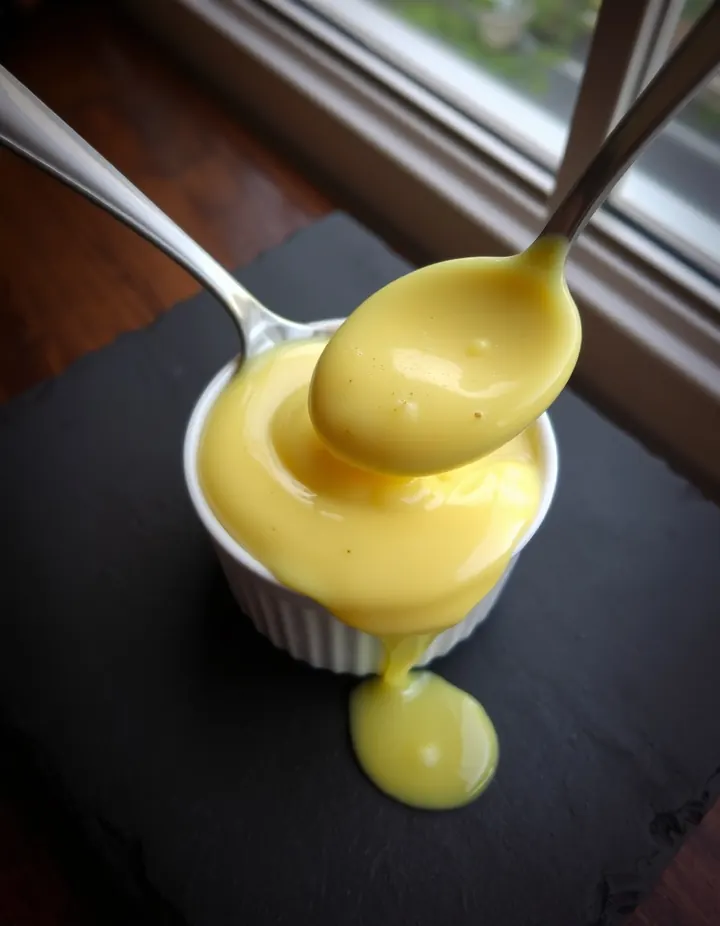 Salad Dressing491 recipes
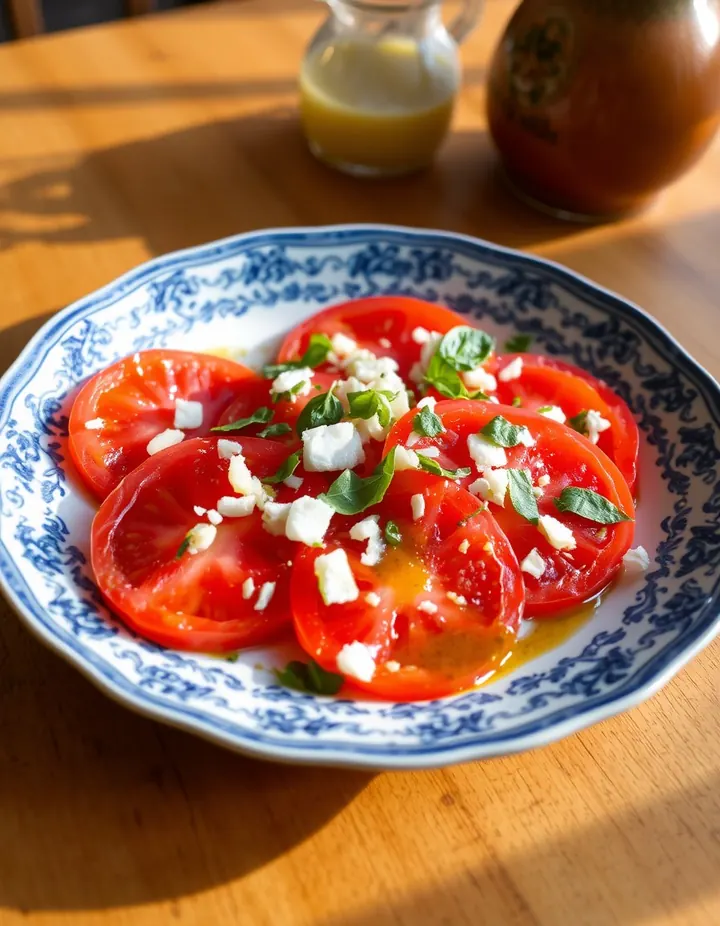 Tomato Salad179 recipes
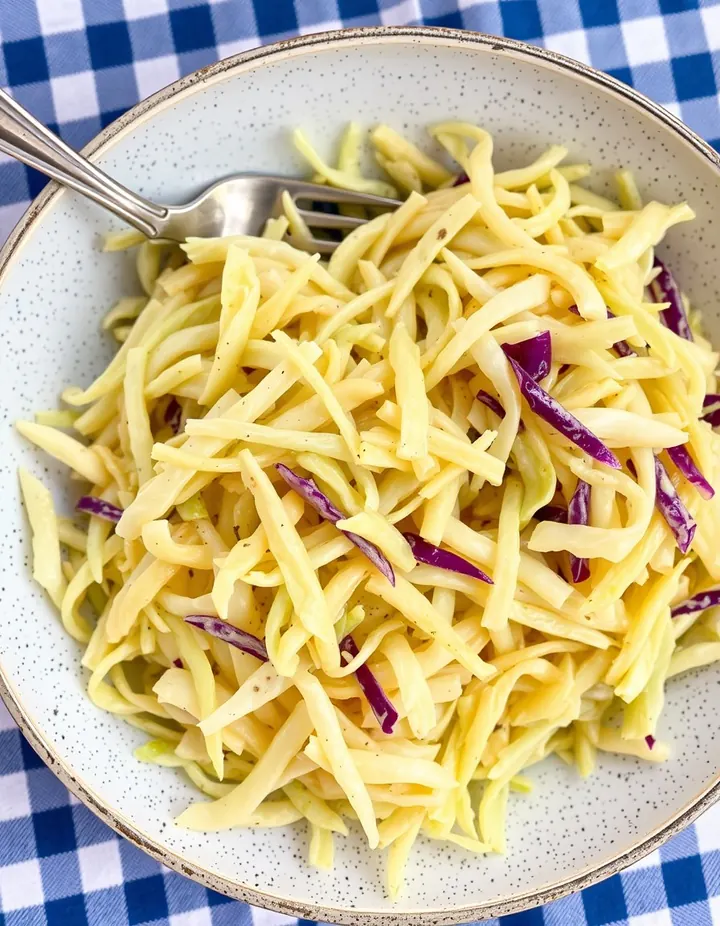 Cold Slaw160 recipes
The free Flavor Lab newsletter: one surprising pairing a week and the molecular reason it works, in 60 seconds. No spam, unsubscribe anytime.
Prefer an account? Create a free account to save pairings and unlock the full chemistry.