Why it works: Quince and pineapple share more aroma than cooks usually use. They rank in the top 5% of all ingredient pairs, and cooks put them together in 56 recipes. Both carry ethyl isobutyrate, which smells fruity, ethereal. The science ↓
Iced Cabinet Pudding
Ingredients
Directions
Prepare the custard
Sift the lady fingers and macaroons through a coarse sieve.
Beat the eggs until light, then mix in the powdered sugar.
In a double boiler, bring the milk to a boil, then stir in the egg mixture until it coats a knife blade.
Remove from heat and add the soaked gelatin, then strain and set aside to cool.
Build and freeze
Line the bottom and sides of a mold with preserved cherries, quince slices, and pineapple.
Add a layer of broken sponge cake, sprinkle with pounded macaroons and lady fingers, then add more fruit layers until the mold is full.
Pour the cooled custard over the layers.
Dip a strip of muslin in melted butter and bind it over the mold joint.
Pack the mold in ice and salt, then freeze for three hours.
Serve
To serve, dip the mold quickly in hot water and turn it out onto a plate.
Serve with whipped cream.
Transcribed from a scanned cookbook and modernised for today's kitchens. Where the book gave no heat or time, or said "a moderate oven", the temperatures and times here may be modern equivalents rather than the book's own figures.
Explore the science
The flavor team
The pairs that carry this dish. Each one is judged two ways: how much their aromas overlap, and how often cooks already put them together.
-
Quince + pineappletop 5% of all pairsSmell alikestrongCooked together56 recipes
Shared aroma: ethyl isobutyrate (fruity, ethereal).
-
Milk + buttertop 7% of all pairsSmell alikemoderateCooked together81,283 recipes
Shared aroma: (z)-4-heptenal (biscuit, cream).
-
Gelatin + creamtop 7% of all pairsSmell alikestrongCooked together1,628 recipes
Shared aroma: acetic acid (sour, vinegar).
-
Sugar + gelatintop 7% of all pairsSmell alikemoderateCooked together2,778 recipes
Shared aroma: ethanol (alcoholic, ethereal).
-
Cream + buttertop 8% of all pairsSmell alikemoderateCooked together41,516 recipes
Shared aroma: delta-dodecalactone (sweet, creamy).
Ranks compare each pair with 20,000 random ingredient pairs on CompKitchen. How we score pairs
What each ingredient does
- Eggs
- Thicken the custard when gently heated, giving the pudding its set and body.
- Gelatin
- Sets the custard so the pudding holds its shape when turned out.
- Milk
- Forms the liquid base of the custard, carrying the eggs and sugar.
- Sponge cake
- Provides a soft, absorbent layer that holds the custard within the mold.
- Powdered sugar
- Sweetens the custard and dissolves smoothly into the egg mixture.
The step that matters
Stirring the egg mixture into the hot milk. Eggs thicken when heated, but if they get too hot they scramble. Cooking gently in a double boiler until the custard coats a knife blade keeps it smooth and evenly set.
Swap the quince
How well each one fits the dish's main ingredients (egg, sugar, milk, gelatin, pineapple, cream, butter):
- Vanillafits better
- Strawberryfits better
- Coconutfits better
- Quincethe original
Fit is the average pairing score against egg, sugar, milk, gelatin, pineapple, cream, butter. Candidates are from the same food group and used in at least 100 recipes.
“What each ingredient does” and “The step that matters” were written by Claude from this recipe’s own method and reviewed in samples by CompKitchen.
You might also like
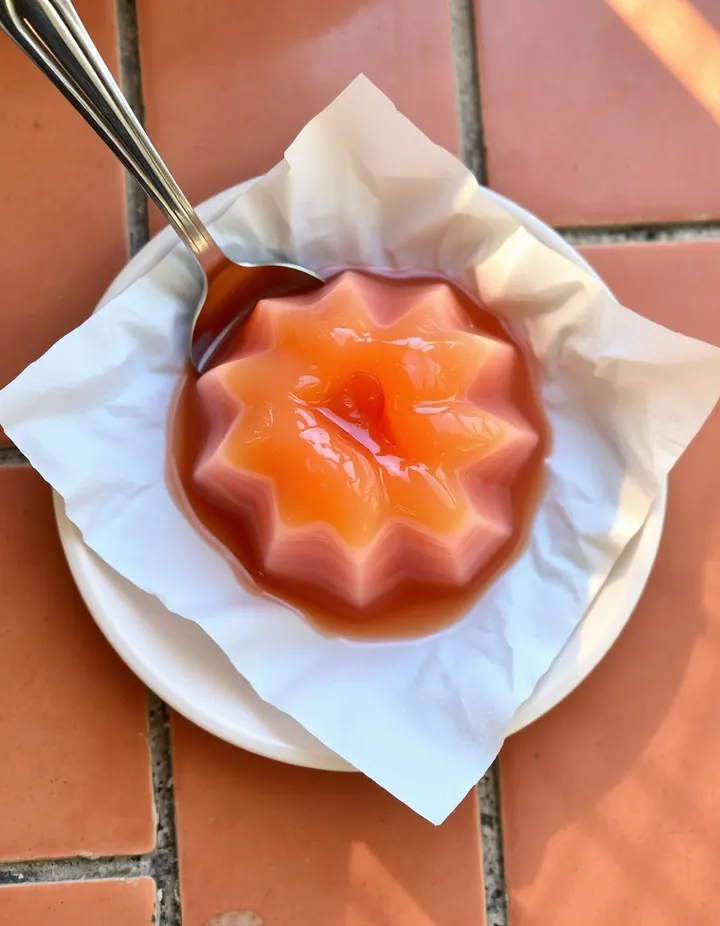 Quince Jelly131 recipes
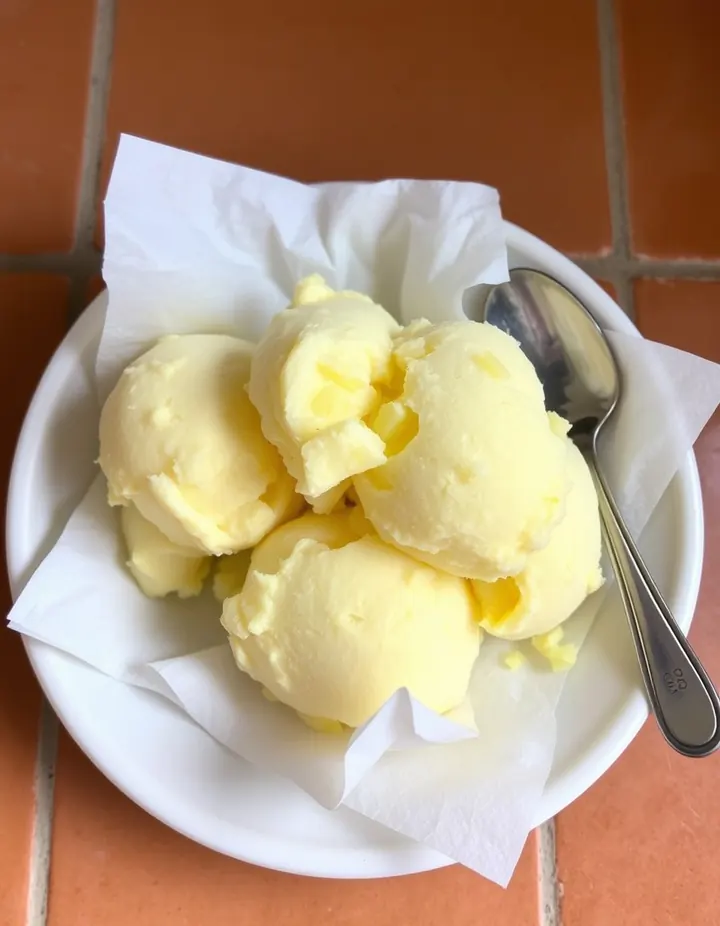 Pineapple Sherbet116 recipes
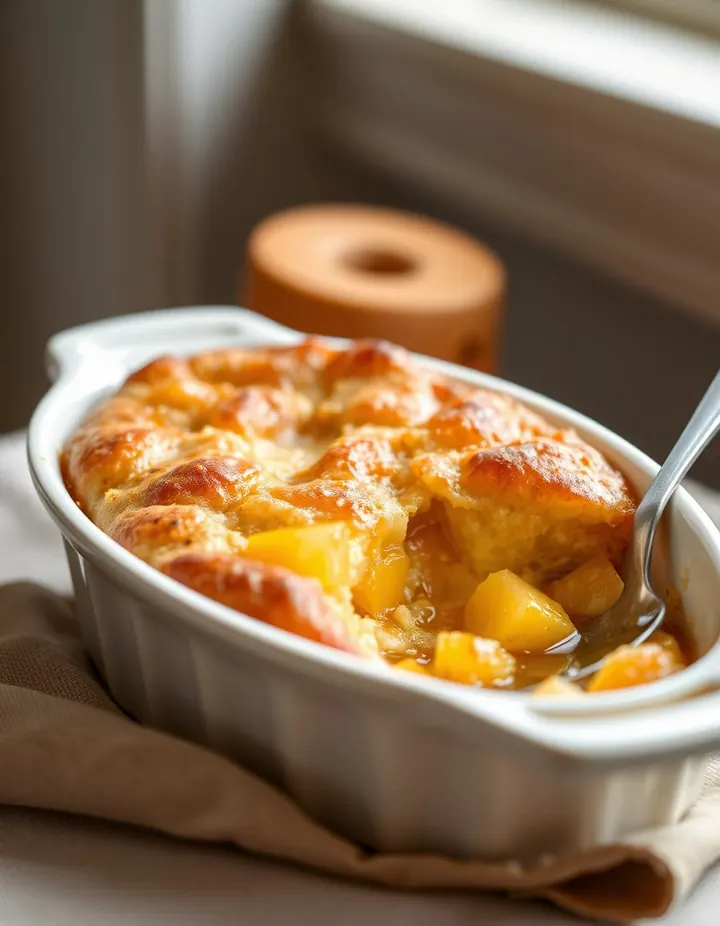 Pineapple Pudding72 recipes
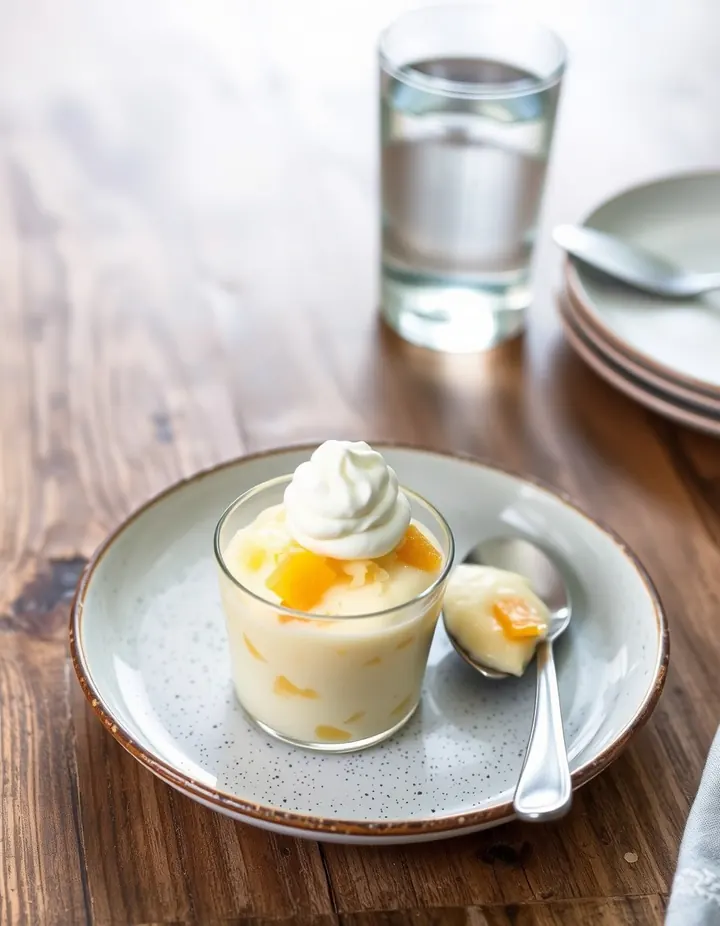 Pineapple Cream58 recipes
The free Flavor Lab newsletter: one surprising pairing a week and the molecular reason it works, in 60 seconds. No spam, unsubscribe anytime.
Prefer an account? Create a free account to save pairings and unlock the full chemistry.