Why it works: Nutmeg and mace match in chemistry and in kitchens. They rank in the top 1% of all ingredient pairs, and 6,557 recipes mention both. Both carry myristicin, which smells spice, warm. The science ↓
The recipe
Ingredients
Contains: egg, milk, wheat, fish, shellfish (auto-detected from the ingredients and method; we can miss things, so check labels)
Directions
Prepare the fish
Wash the cod's head thoroughly and score it with a knife.
Sprinkle coarse sea salt on it and place it in a large tin oven or a pan before the fire with something behind it to ensure proper cooking.
Discard all water that comes from the fish for the first half hour.
Roast the head
Season with nutmeg, cloves, mace, and salt, then flour it and baste with butter.
After some time, turn the fish, season, and baste the other side similarly.
Turn it often, baste frequently, and sprinkle with bread crumbs.
If large, it will take four to five hours to cook.
Make the sauce
Prepare melted butter with an anchovy and the bruised liver of the fish, mixing well.
Add two beaten egg yolks, then drain through a sieve and return to the saucepan.
Add shrimp or pickled cockles, red wine, and lemon juice, simmer for a minute or two.
Pour the sauce into the pan where the head was roasted and stir well.
Return to the saucepan and stir until it boils.
Serve
Place the cod's head in a large dish, pour the sauce over it, and serve hot.
Garnish with fried fish, lemon, and scraped horseradish.
Transcribed from a scanned cookbook and modernised for today's kitchens. Where the book gave no heat or time, or said "a moderate oven", the temperatures and times here may be modern equivalents rather than the book's own figures.
Explore the science
The flavor team
The pairs that carry this dish. Each one is judged two ways: how much aroma chemistry they share, and how many recipes mention both.
-
Nutmeg + macetop 1% of all pairsAroma overlapstrongMentioned together6,557 recipes
Shared aroma: myristicin (spice, warm).
-
Nutmeg + clovetop 1% of all pairsAroma overlapstrongMentioned together8,368 recipes
Shared aroma: estragole (anise, licorice).
-
Clove + macetop 2% of all pairsAroma overlapstrongMentioned together8,199 recipes
Shared aroma: methyleugenol (clove, spice).
-
Butter + breadtop 3% of all pairsAroma overlapstrongMentioned together27,145 recipes
Shared aroma: delta-decalactone (sweet, creamy).
-
Bread + anchovytop 4% of all pairsAroma overlapmoderateMentioned together1,257 recipes
Shared aroma: hexanol (green, fruity).
Ranks compare each pair with 20,000 random ingredient pairs on CompKitchen. How we score pairs
What each ingredient does
- Cod's head
- Forms the main body of the dish, and its flesh cooks through during long roasting.
- Butter
- Adds richness and moisture, and helps the surface brown while basting.
- Egg yolks
- Thicken the sauce and give it a smooth, rich texture.
- Anchovy
- Adds a salty, savoury depth to the sauce.
- Lemon juice
- Adds acidity that brightens the rich sauce.
- Flour
- Coats the fish so the surface browns and the basting butter clings.
The step that matters
Stirring the sauce until it boils after adding egg yolks. Egg yolks thicken when heated gently, but if they are overheated they can curdle and turn grainy. Stir steadily and keep the heat controlled.
Flavor stand-ins for the clove
How well each one fits the dish's main ingredients (nutmeg, mace, butter, flour, bread, anchovy, liver):
- Cinnamonbetter flavor fit
- Parsleyabout as good a flavor fit
- Marjoramabout as good a flavor fit
- Clovethe original
Fit is the average pairing score against nutmeg, mace, butter, flour, bread, anchovy, liver. Candidates are from the same food group and used in at least 100 recipes. This compares flavor only: it does not check the job the ingredient does in the dish (bulk, moisture, acidity, structure).
“What each ingredient does” and “The step that matters” were written by Claude from this recipe’s own method and reviewed in samples by CompKitchen.
You might also like
 Illustration
 Illustration
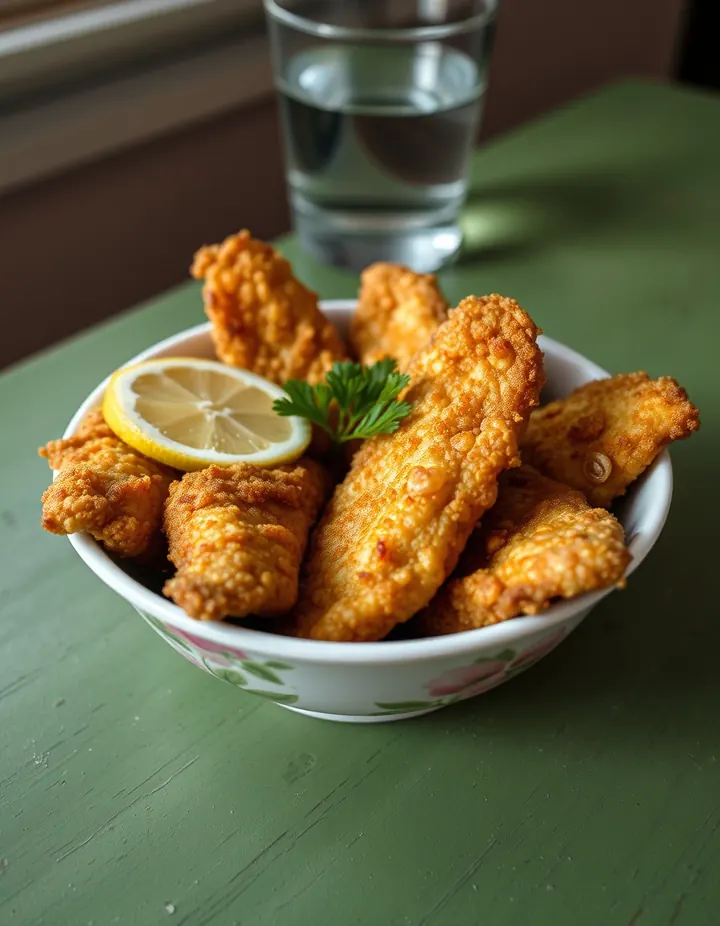 Illustration
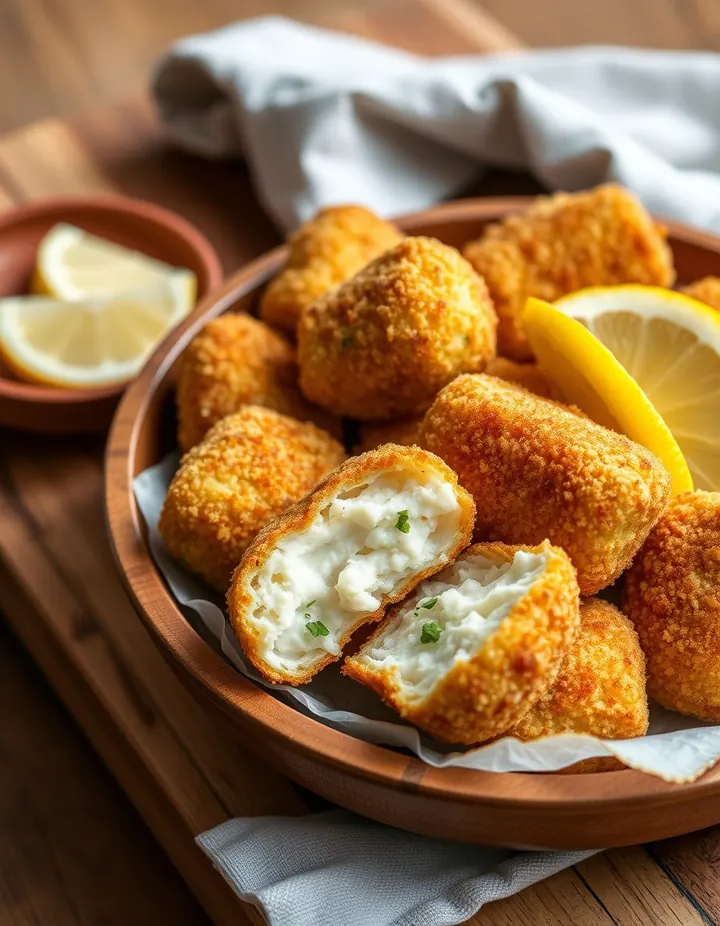 Illustration
The Sunday pairing: one pairing, the chemistry behind it, and how to cook it. No spam, unsubscribe anytime.
Prefer an account? Create a free account for sign-in; Pro adds the full results and chemistry.