Why it works: Cabbage and potato work together. They rank in the top 9% of all ingredient pairs, and cooks put them together in 275 recipes. Both carry 2-isopropyl-3-methoxypyrazine, which smells earthy, pea. The science ↓
New Year Sucking Pig
Ingredients
Directions
The book gives no oven temperature. The 300°F (150°C) in the steps was added when the recipe was transcribed, as a starting point.
Prepare the pig
Clean and wash the suckling pig thoroughly.
Dry it well.
Salt the inside.
Peg out the stomach cavity with small sticks.
Place the pig in a large pan.
Press its mouth open to insert a lemon or apple.
Grease the ears and legs well.
Cover them with white paper.
Roast and baste
Pour hot lard over the entire pig.
Roast it slowly in a preheated oven at 300°F (150°C).
Place a small pot of beer on the stove.
Use a thick piece of bacon dipped in the beer to baste the pig often until the skin becomes red and crisp.
Serve
Serve with red cabbage and potatoes.
Transcribed from a scanned cookbook and modernised for today's kitchens. Where the book gave no heat or time, or said "a moderate oven", the temperatures and times here may be modern equivalents rather than the book's own figures.
Explore the science
The flavor team
The pairs that carry this dish. Each one is judged two ways: how much their aromas overlap, and how often cooks already put them together.
-
Cabbage + potatotop 9% of all pairsSmell alikemoderateCooked together275 recipes
Shared aroma: 2-isopropyl-3-methoxypyrazine (earthy, pea).
-
Lemon + potatotop 12% of all pairsSmell alikemoderateCooked together2,230 recipes
Shared aroma: 2-nonenal (fatty, green).
-
Lemon + cabbagetop 13% of all pairsSmell alikemoderateCooked together397 recipes
Shared aroma: 3-hexenal (apple, fruity).
-
Beer + potatotop 14% of all pairsSmell alikemoderateCooked together145 recipes
Shared aroma: 2-isobutyl-3-methoxypyrazine (green bell pepper, earthy).
-
Lemon + beertop 20% of all pairsSmell alikemoderateCooked together270 recipes
Shared aroma: 3-hexenal (apple, fruity).
Ranks compare each pair with 20,000 random ingredient pairs on CompKitchen. How we score pairs
What each ingredient does
- Sucking pig
- Provides the meat, whose fat and skin cook down during the slow roast.
- Lard
- Coats the skin with fat, helping it brown and crisp in the oven.
- Beer
- Used for basting, its liquid and sugars help the skin brown and turn red.
- Bacon
- Carries beer onto the skin as a basting tool, adding fat and savoury flavour.
The step that matters
Basting until the skin is red and crisp. Skin needs fat and repeated moisture during slow roasting. Basting keeps it from drying and helps the surface brown, while the ears and legs are protected by paper to avoid burning.
Swap the lemon
How well each one fits the dish's main ingredients (beer, cabbage, potato):
- Limefits better
- Applefits better
- Grapefits better
- Lemonthe original
Fit is the average pairing score against beer, cabbage, potato. Candidates are from the same food group and used in at least 100 recipes.
“What each ingredient does” and “The step that matters” were written by Claude from this recipe’s own method and reviewed in samples by CompKitchen.
You might also like
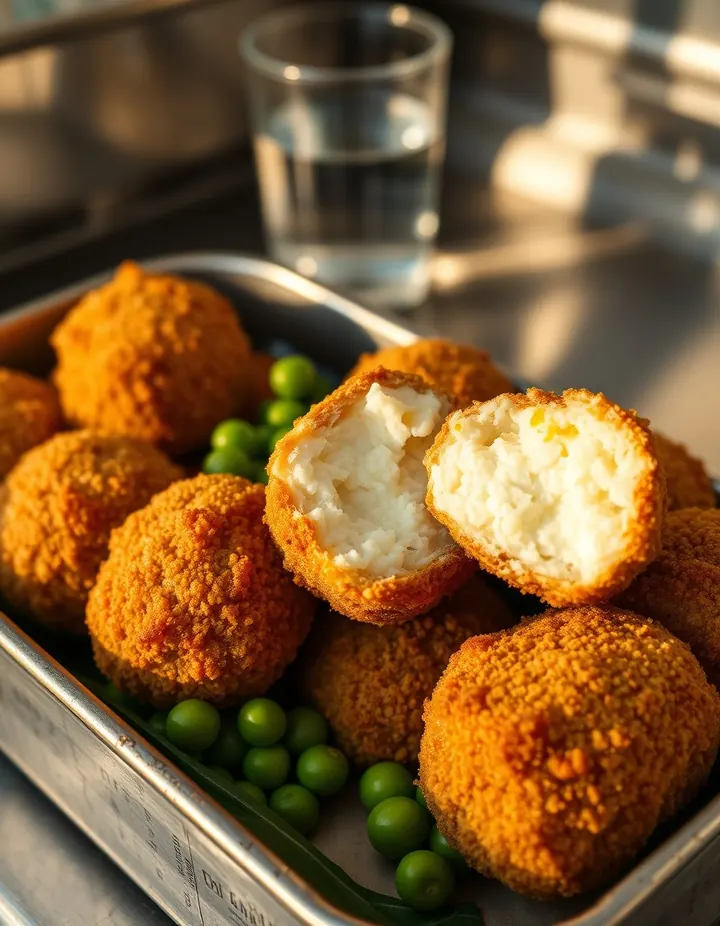 Potato Croquettes255 recipes
 Lemon Sauce236 recipes
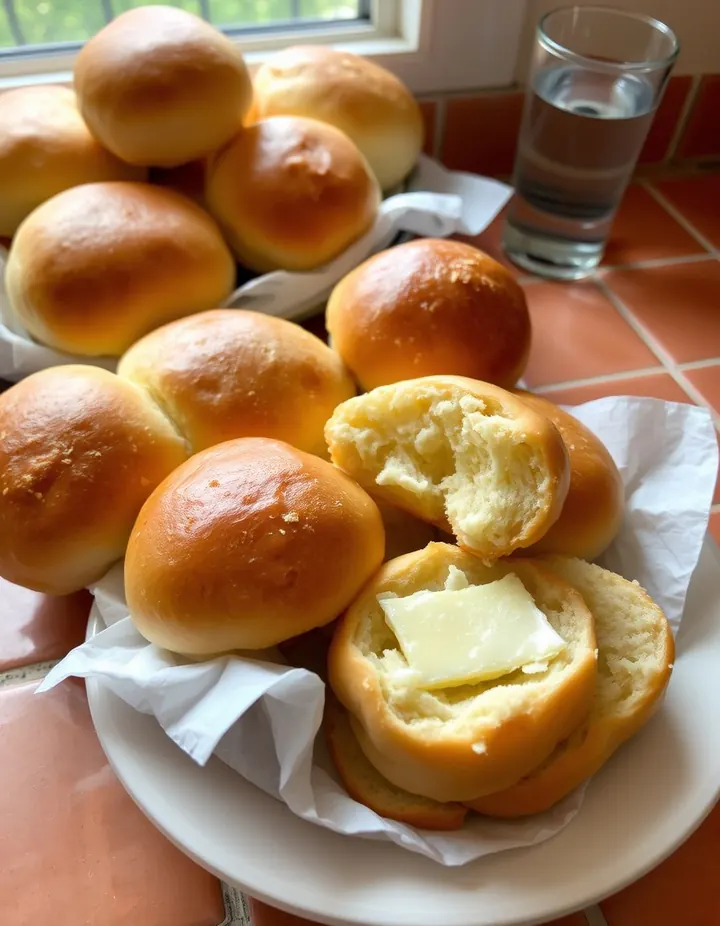 Potato Rolls78 recipes
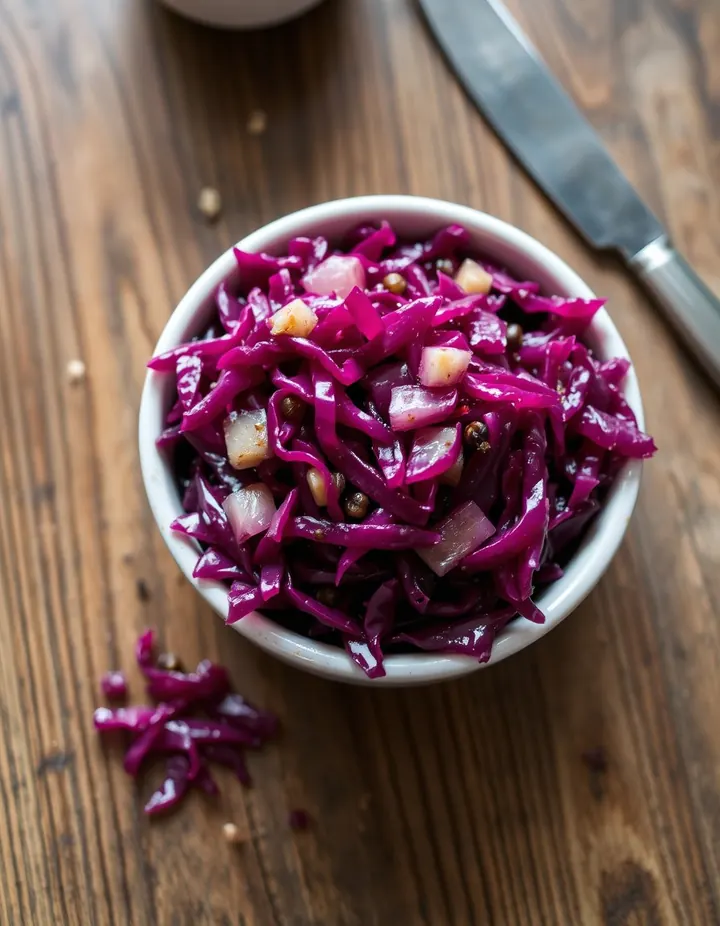 Red Cabbage65 recipes
The free Flavor Lab newsletter: one surprising pairing a week and the molecular reason it works, in 60 seconds. No spam, unsubscribe anytime.
Prefer an account? Create a free account to save pairings and unlock the full chemistry.