Why it works: Butter and flour are a kitchen classic. They rank in the top 12% of all ingredient pairs, and cooks put them together in 124,287 recipes. Both carry isobutyraldehyde, which smells malty, green. The science ↓
Roast Haunch of Venison
Ingredients
Directions
The book says “a hot oven”. The 350°F (175°C) in the steps is the modern equivalent, not the book's own figure.
Prepare
Choose a haunch with clear, bright, and thick fat.
Wash the haunch in warm water and dry it well with a cloth.
Butter a sheet of white paper.
Place the buttered paper over the fat.
Roast
Lay the venison in a deep baking dish with ½ cup boiling water.
Cover the venison with a coarse paste of flour and water, ½ inch thick.
Place a thickness of coarse paper over the paste.
Cook in a moderate oven at 350°F (175°C) for four hours or less, depending on size.
Twenty minutes before it is done, increase the heat to 400°F (200°C).
Remove the paste and paper.
Dredge the joint with flour.
Baste the joint well with butter until browned.
Serve
Garnish the knuckle-bone with a frill of white paper.
Serve with gravy made from the drippings.
Serve with currant jelly.
Transcribed from a scanned cookbook and modernised for today's kitchens. Where the book gave no heat or time, or said "a moderate oven", the temperatures and times here may be modern equivalents rather than the book's own figures.
Explore the science
The flavor team
The pairs that carry this dish. Each one is judged two ways: how much their aromas overlap, and how often cooks already put them together.
-
Butter + flourtop 12% of all pairsSmell alikelowCooked together124,287 recipes
Shared aroma: isobutyraldehyde (malty, green).
-
Venison + curranttop 13% of all pairsSmell alikelowCooked together443 recipes
Shared aroma: 1-octen-3-ol (mushroom, earthy).
-
Venison + buttertop 16% of all pairsSmell alikemoderateCooked together957 recipes
Shared aroma: trans-2-nonenal (cardboard, fatty).
-
Butter + curranttop 17% of all pairsSmell alikemoderateCooked together7,856 recipes
Shared aroma: isoamyl acetate (banana, pear).
-
Flour + curranttop 26% of all pairsSmell alikelowCooked together8,077 recipes
Butter and flour barely smell alike, yet cooks put them together in 124,287 recipes: they work on texture and structure more than aroma.
Ranks compare each pair with 20,000 random ingredient pairs on CompKitchen. How we score pairs
What each ingredient does
- Venison haunch
- Forms the main meat, which becomes tender and juicy during long, slow roasting.
- Flour
- Forms a coarse paste that shields the meat and later dredging helps the surface brown.
- Butter
- Adds fat that bastes the joint, promoting browning and a rich flavour on the surface.
- Currant jelly
- Adds sweetness and acidity that balance the rich, gamey flavour of the venison.
The step that matters
Increase the heat near the end. Raising the oven to 400°F for the final twenty minutes drives browning on the exposed surface. Timing it before the joint is done lets the crust brown without overcooking the interior.
Swap the currant
How well each one fits the dish's main ingredients (venison, butter, flour):
- Raisinfits about as well
- Currantthe original
- Red currantfits about as well
- Lemonfits less well
Fit is the average pairing score against venison, butter, flour. Candidates are from the same food group and used in at least 100 recipes.
“What each ingredient does” and “The step that matters” were written by Claude from this recipe’s own method and reviewed in samples by CompKitchen.
You might also like
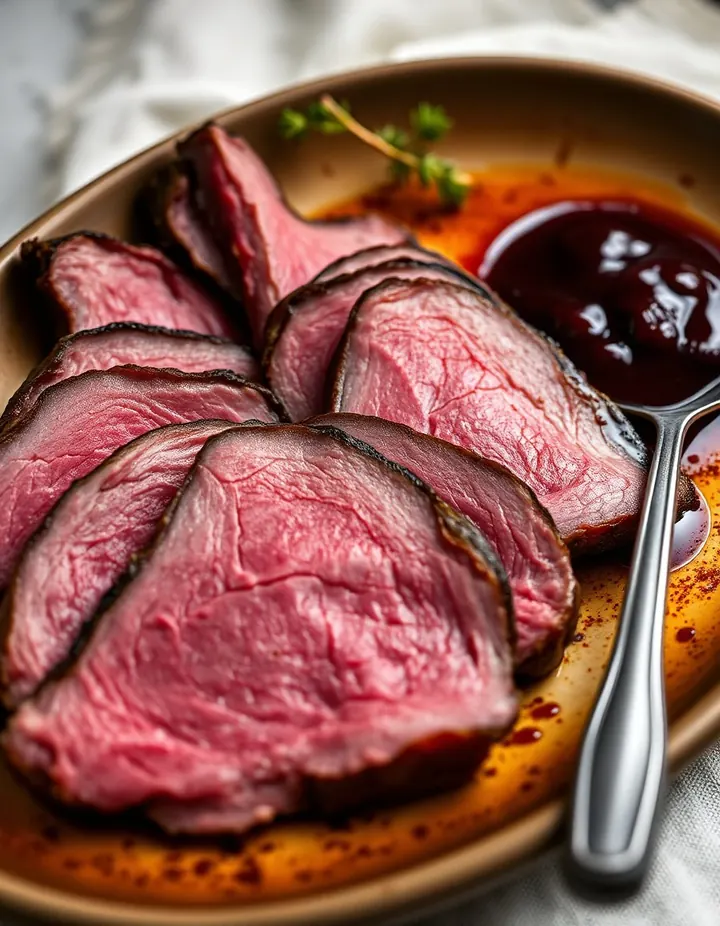 Roast Venison20 recipes
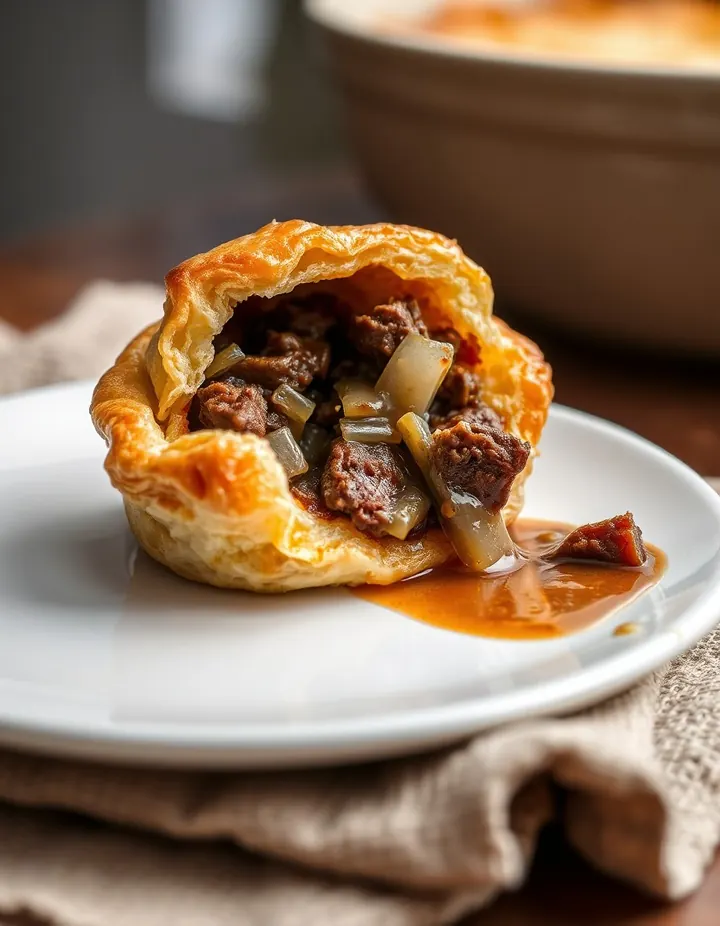 Venison Pasty7 recipes
 Tomato Soup526 recipes
 Brown Bread461 recipes
The free Flavor Lab newsletter: one surprising pairing a week and the molecular reason it works, in 60 seconds. No spam, unsubscribe anytime.
Prefer an account? Create a free account to save pairings and unlock the full chemistry.