Why it works: Pepper and ginger match in chemistry and in kitchens. They rank in the top 9% of all ingredient pairs, and cooks put them together in 6,800 recipes. Both carry 2-isopropyl-3-methoxypyrazine, which smells earthy, pea. The science ↓
To Roast a Haunch of Mutton
Ingredients
Directions
Prepare the haunch
Wash the haunch with warm milk-and-water or vinegar and wipe it dry.
Soak the haunch in port wine or claret for two days.
Rub the haunch with pepper and ginger.
Remove a few inches from the knuckle.
Skin the loin.
Make a paste of coarse meal.
Wrap the haunch in the paste using strong cartridge paper.
Roast and serve
Place the haunch far from the fire for two hours.
Gradually move the haunch closer to the fire.
Remove the paper and paste from the haunch.
Baste the meat for 45 minutes more.
Wrap the shank in fringed writing-paper.
Serve the haunch with rich-drawn gravy and currant jelly.
Transcribed from a scanned cookbook and modernised for today's kitchens. Where the book gave no heat or time, or said "a moderate oven", the temperatures and times here may be modern equivalents rather than the book's own figures.
Explore the science
The flavor team
The pairs that carry this dish. Each one is judged two ways: how much their aromas overlap, and how often cooks already put them together.
-
Pepper + gingertop 9% of all pairsSmell alikestrongCooked together6,800 recipes
Shared aroma: 2-isopropyl-3-methoxypyrazine (earthy, pea).
-
Port wine + curranttop 9% of all pairsSmell alikemoderateCooked together356 recipes
Shared aroma: ethyl cinnamate (sweet, balsamic).
-
Mutton + peppertop 16% of all pairsSmell alikelowCooked together5,442 recipes
Shared aroma: trans-2-nonenal (cardboard, fatty).
-
Milk + curranttop 16% of all pairsSmell alikelowCooked together5,475 recipes
Shared aroma: isoamyl acetate (banana, pear).
-
Mutton + port winetop 17% of all pairsSmell alikemoderateCooked together344 recipes
Shared aroma: ethyl caproate (fruity, apple peel).
Ranks compare each pair with 20,000 random ingredient pairs on CompKitchen. How we score pairs
What each ingredient does
- Haunch of mutton
- Forms the main body of the roast, and its long slow cooking turns firm meat tender.
- Port wine or claret
- Soaks into the meat, adding moisture and a fruity, acidic flavour.
- Coarse meal paste
- Encases the joint, sealing in moisture while it cooks gently.
- Currant jelly
- Adds sweetness and acidity that balance the rich, fatty flavour of mutton.
The step that matters
Removing the paper and paste. Timing this step lets the surface brown and crisp under direct heat, while the paste has already kept the inside moist and gently cooked.
Swap the currant
How well each one fits the dish's main ingredients (mutton, milk, port wine, pepper, ginger):
- Figfits better
- Lemonfits better
- Plumfits better
- Currantthe original
Fit is the average pairing score against mutton, milk, port wine, pepper, ginger. Candidates are from the same food group and used in at least 100 recipes.
“What each ingredient does” and “The step that matters” were written by Claude from this recipe’s own method and reviewed in samples by CompKitchen.
You might also like
 Mutton Broth292 recipes
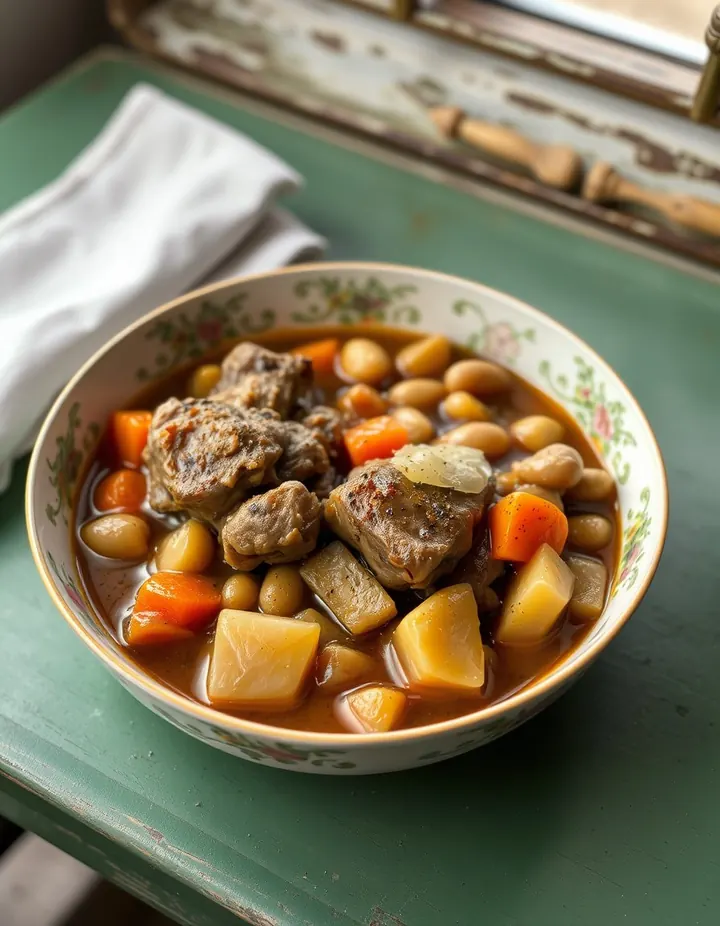 Haricot Mutton59 recipes
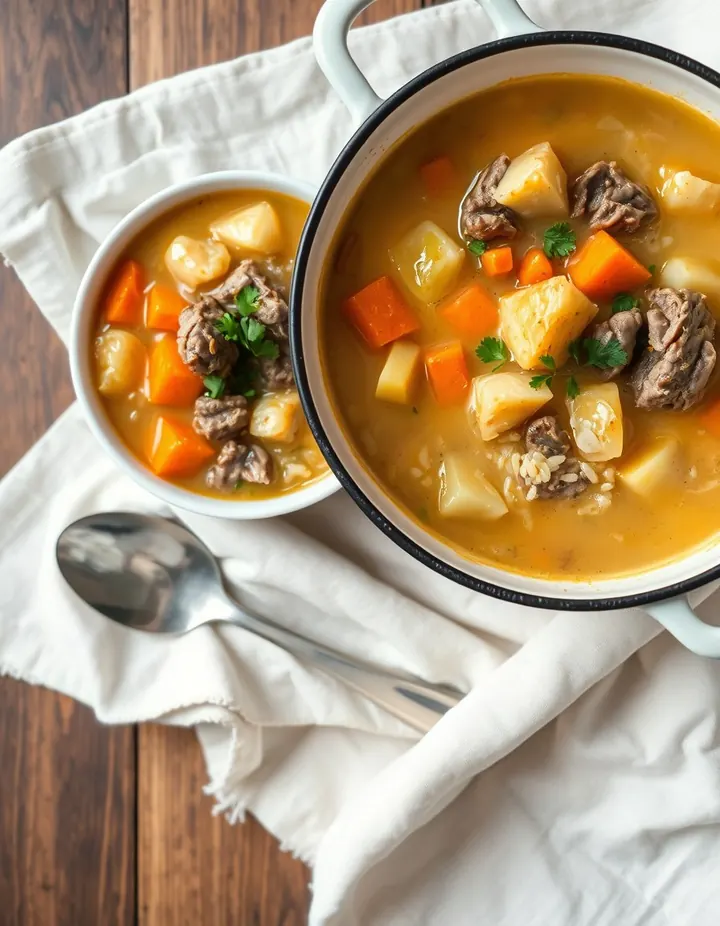 Mutton Soup56 recipes
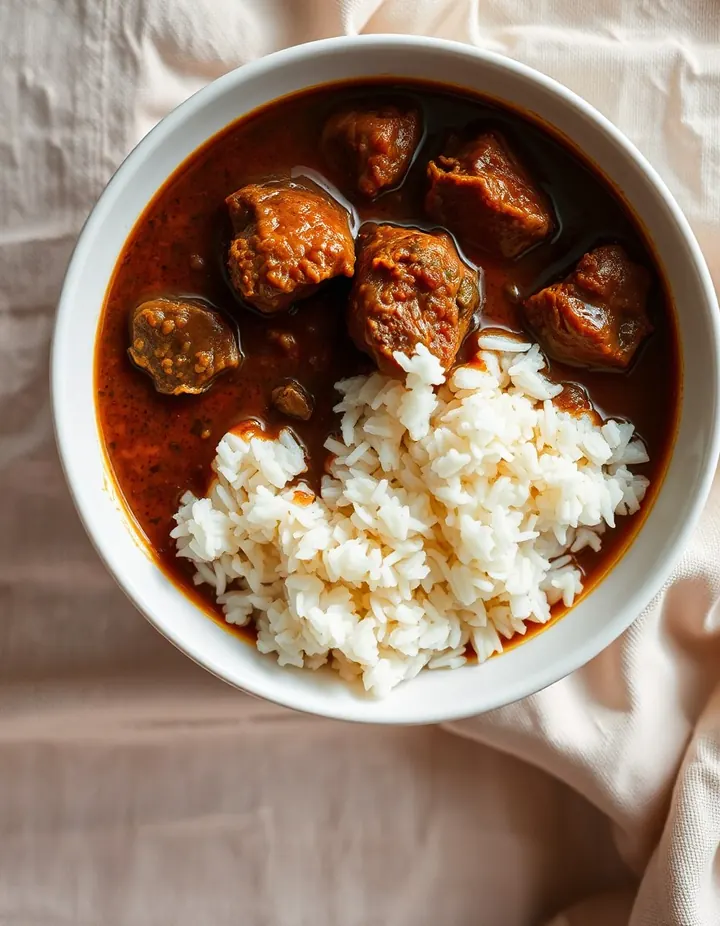 Curried Mutton9 recipes
The free Flavor Lab newsletter: one surprising pairing a week and the molecular reason it works, in 60 seconds. No spam, unsubscribe anytime.
Prefer an account? Create a free account to save pairings and unlock the full chemistry.