Why it works: Butter and cream are a kitchen classic. They rank in the top 8% of all ingredient pairs, and cooks put them together in 41,516 recipes. Both carry delta-dodecalactone, which smells sweet, creamy. The science ↓
Chicken Timbales
Ingredients
Directions
Boil the macaroni in salted water until tender.
Cut the macaroni into rings about ⅛ inch thick.
Line several well-greased timbale molds with the macaroni rings, arranging them evenly.
Prepare the chicken purée as directed for 'Chicken Soufflé.'
Fill the prepared molds with the chicken mixture.
Steam the timbales for 25 to 35 minutes.
Arrange the timbales on a hot dish, pour the Bechamel sauce around, and serve.
Transcribed from a scanned cookbook and modernised for today's kitchens. Where the book gave no heat or time, or said "a moderate oven", the temperatures and times here may be modern equivalents rather than the book's own figures.
Explore the science
The flavor team
The pairs that carry this dish. Each one is judged two ways: how much their aromas overlap, and how often cooks already put them together.
-
Butter + creamtop 8% of all pairsSmell alikemoderateCooked together41,516 recipes
Shared aroma: delta-dodecalactone (sweet, creamy).
-
Cream + saucetop 9% of all pairsSmell alikemoderateCooked together4,787 recipes
Shared aroma: ethanol (alcoholic, ethereal).
-
Butter + saucetop 15% of all pairsSmell alikelowCooked together15,338 recipes
Shared aroma: ethanol (alcoholic, ethereal).
-
Chicken + buttertop 15% of all pairsSmell alikemoderateCooked together13,902 recipes
Shared aroma: 2-furfurylthiol (coffee, roasted).
-
Chicken + peppertop 16% of all pairsSmell alikemoderateCooked together19,958 recipes
Shared aroma: piperonal (bitter, coconut).
Butter and sauce barely smell alike, yet cooks put them together in 15,338 recipes: they work on texture and structure more than aroma.
Ranks compare each pair with 20,000 random ingredient pairs on CompKitchen. How we score pairs
You might also like
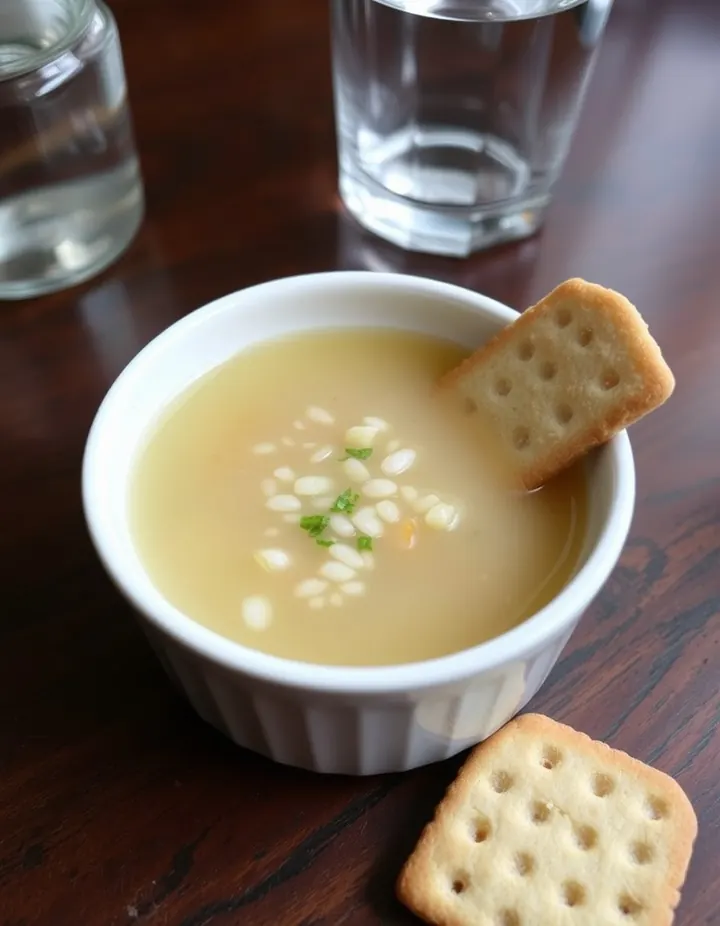 Chicken Broth257 recipes
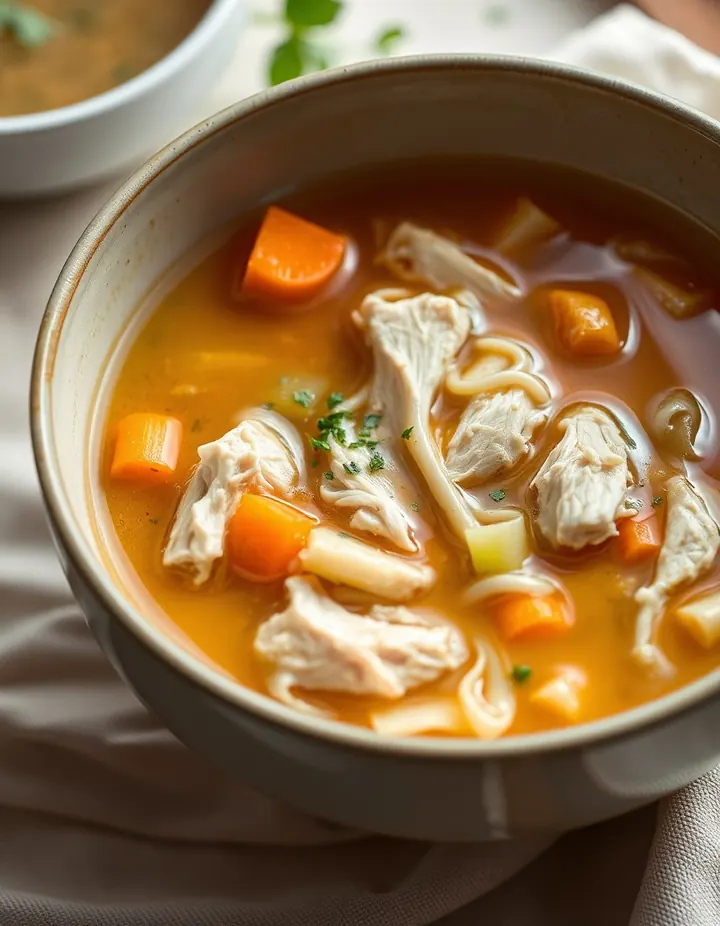 Chicken Soup156 recipes
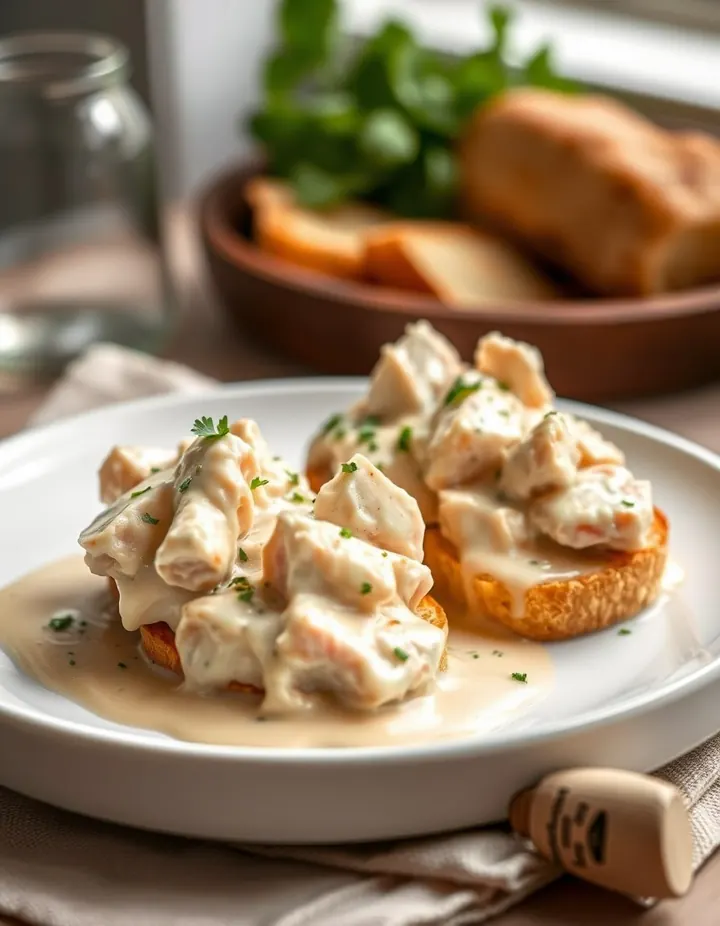 Creamed Chicken89 recipes
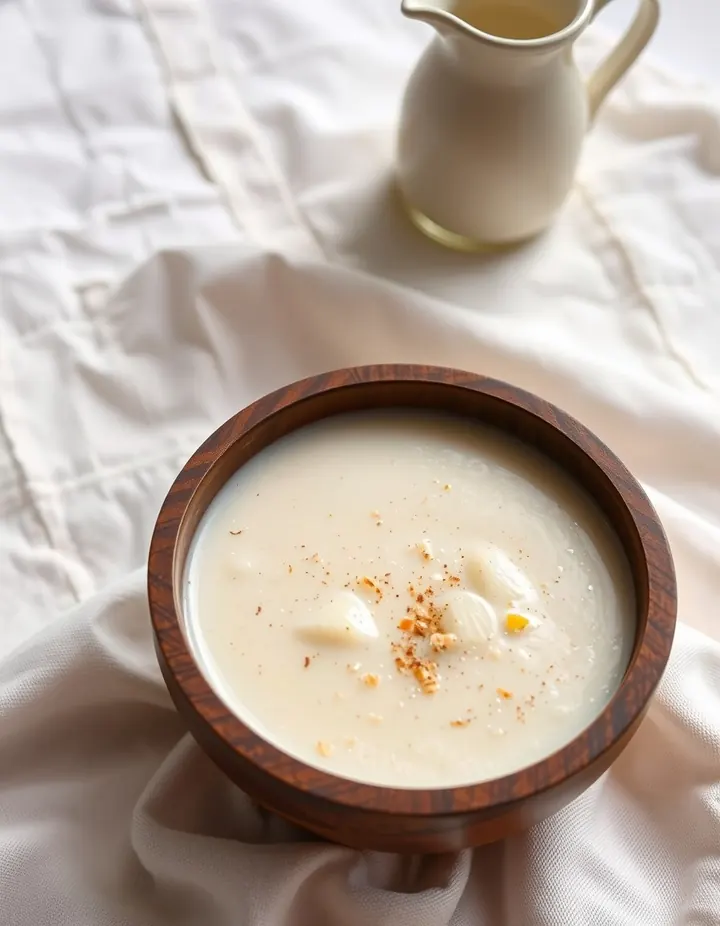 Chicken Panada75 recipes
The free Flavor Lab newsletter: one surprising pairing a week and the molecular reason it works, in 60 seconds. No spam, unsubscribe anytime.
Prefer an account? Create a free account to save pairings and unlock the full chemistry.