Why it works: Onion and carrot are a kitchen classic. They rank in the top 6% of all ingredient pairs, and cooks put them together in 21,601 recipes. Both carry 2-isopropyl-3-methoxypyrazine, which smells earthy, pea. The science ↓
Duck, Braised, with Chestnuts
Ingredients
Directions
The book says “a hot oven”. The 400°F (200°C) in the steps is the modern equivalent, not the book's own figure.
Prepare the stuffing
Boil the chestnuts, then remove the skins from the boiled chestnuts.
Cook the Spanish onion in stock or water until tender, then chop the cooked onion finely.
Mix the chopped onion, chestnuts, salt, pepper, and egg for stuffing.
Braise the duck
Truss the duck.
Lard the duck neatly.
Heat the butter or fat in a large stewpan.
Add sliced vegetables to the heated butter.
Place the duck on top of the vegetables.
Cover the duck.
Fry gently for about 20 minutes.
Add enough stock to cover the vegetables three-quarters.
Add more stock as it boils away.
Cover the duck with greased paper, then put the lid on.
Cook gently for about 2 hours until tender.
Make the sauce and serve
Heat the Espagnole sauce.
Add wine and jelly if using.
Season to taste.
Remove the trussing strings.
Place the duck in a 400°F (200°C) oven for a few minutes to crisp the bacon.
Serve the duck with some sauce poured over.
Pour the remainder of the sauce into a sauce-boat.
Transcribed from a scanned cookbook and modernised for today's kitchens. Where the book gave no heat or time, or said "a moderate oven", the temperatures and times here may be modern equivalents rather than the book's own figures.
Explore the science
The flavor team
The pairs that carry this dish. Each one is judged two ways: how much their aromas overlap, and how often cooks already put them together.
-
Onion + carrottop 6% of all pairsSmell alikemoderateCooked together21,601 recipes
Shared aroma: 2-isopropyl-3-methoxypyrazine (earthy, pea).
-
Chestnut + carrottop 8% of all pairsSmell alikestrongCooked together186 recipes
Shared aroma: coumarin (sweet, hay).
-
Port wine + curranttop 9% of all pairsSmell alikemoderateCooked together356 recipes
Shared aroma: ethyl cinnamate (sweet, balsamic).
-
Onion + chestnuttop 10% of all pairsSmell alikestrongCooked together696 recipes
Shared aroma: decanal (soap, orange peel).
-
Port wine + buttertop 13% of all pairsSmell alikemoderateCooked together1,499 recipes
Shared aroma: ethyl octanoate (fruity, wine).
Ranks compare each pair with 20,000 random ingredient pairs on CompKitchen. How we score pairs
What each ingredient does
- Duck
- Is the main cooked meat, becoming tender through slow, moist braising.
- Chestnuts
- Add starchy body and a mild, nutty flavour to the stuffing.
- Egg
- Binds the chopped onion and chestnuts together so the stuffing holds its shape.
- Butter or good fat
- Starts the browning of the vegetables and adds richness to the braising base.
- Espagnole sauce
- Gives the finished sauce a deep, savoury body and concentrated flavour.
- Red-currant jelly
- Adds sweetness and a gentle fruity tang that balances the rich sauce.
The step that matters
Cook gently for about 2 hours until tender. Gentle, covered simmering keeps the duck moist while collagen slowly breaks down; a hard boil toughens the meat and dries the liquid too fast.
Swap the currant
How well each one fits the dish's main ingredients (sauce, port wine, onion, chestnut, butter, egg, carrot):
- Figfits better
- Cherryfits better
- Plumfits better
- Currantthe original
Fit is the average pairing score against sauce, port wine, onion, chestnut, butter, egg, carrot. Candidates are from the same food group and used in at least 100 recipes.
“What each ingredient does” and “The step that matters” were written by Claude from this recipe’s own method and reviewed in samples by CompKitchen.
You might also like
 Carrot Soup134 recipes
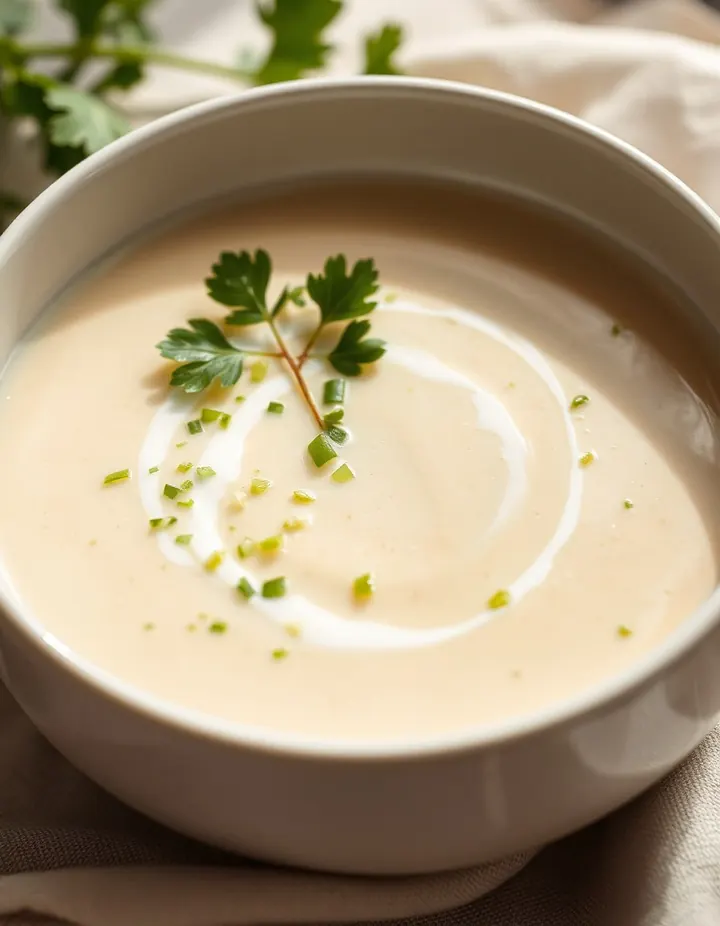 Cream of Celery Soup113 recipes
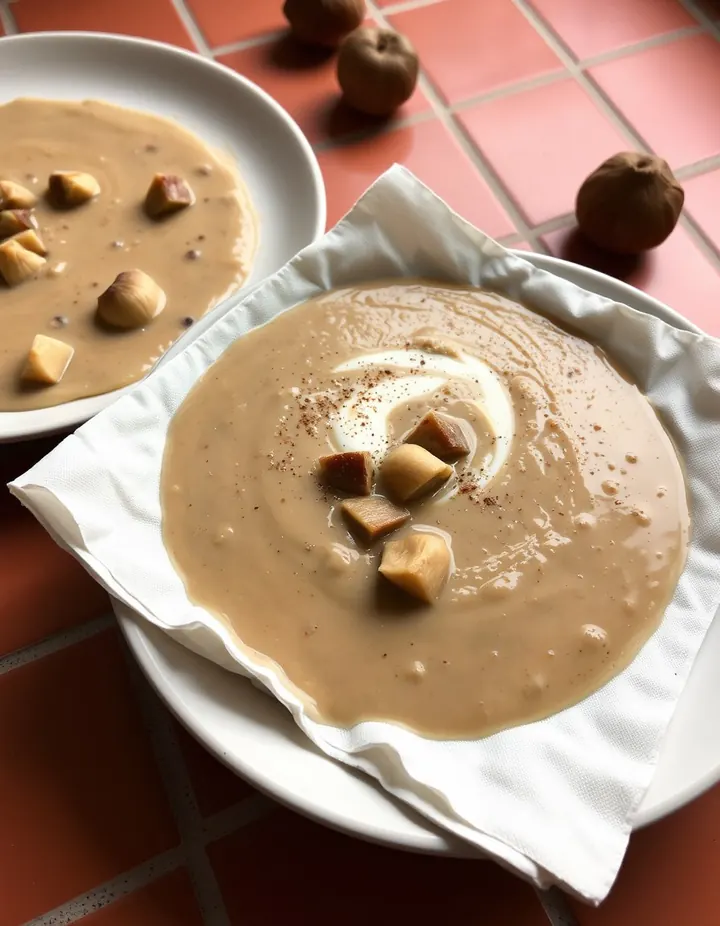 Chestnut Soup52 recipes
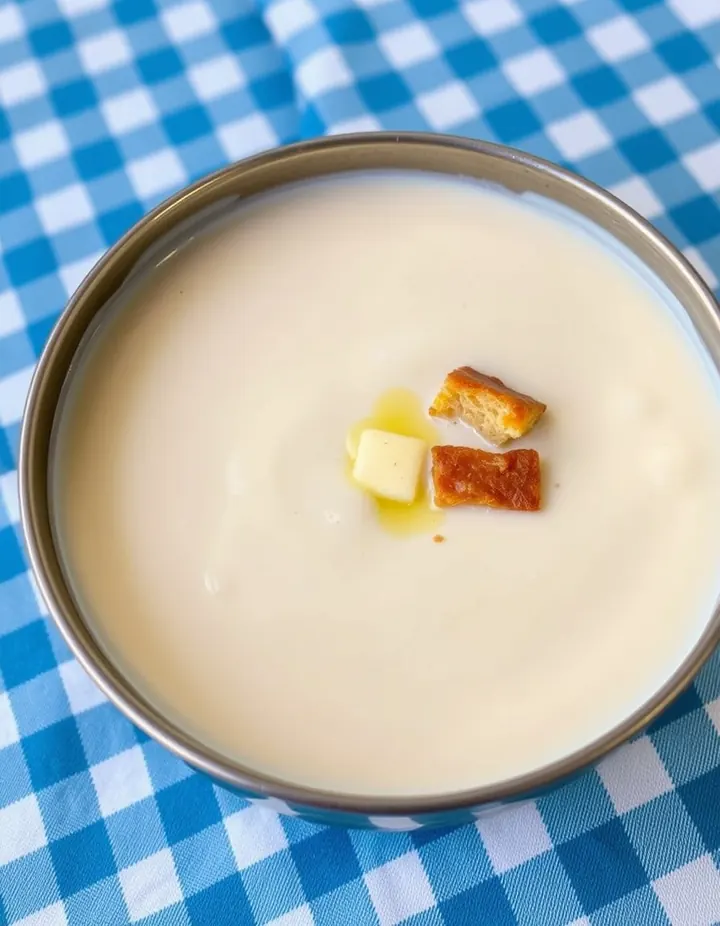 Turnip Soup43 recipes
The free Flavor Lab newsletter: one surprising pairing a week and the molecular reason it works, in 60 seconds. No spam, unsubscribe anytime.
Prefer an account? Create a free account to save pairings and unlock the full chemistry.