Why it works: Salmon and sugar work together. They rank in the top 35% of all ingredient pairs, and cooks put them together in 931 recipes. Both carry guaiacol, which smells smoky, sweet. The science ↓
To Kiffer Salmon
Ingredients
Directions
Prepare
Lay the fish on its side and cut it from tail to head, being careful not to injure the belly.
Wash the fish well and remove the eyes, replacing them with a pinch of salt.
Sprinkle a handful or two of brown sugar inside the fish, followed by the same quantity or slightly more of coarse sea salt.
Lay the salmon on a flat board, inside up, and cover with a cloth.
Cure
Let it cure for 24 hours in a dry place, or 36 hours for a saltier flavor.
If the weather is nice, expose it to the sun and air for an hour or two to speed up the curing process.
After 24 hours, the kipper is ready; it can be kept for a considerable time.
Cook and serve
To cook, cut the salmon into slices, wrap each slice in paper, and fry them.
Serve the fried salmon in the paper.
Transcribed from a scanned cookbook and modernised for today's kitchens. Where the book gave no heat or time, or said "a moderate oven", the temperatures and times here may be modern equivalents rather than the book's own figures.
Explore the science
The flavor team
The pairs that carry this dish. Each one is judged two ways: how much their aromas overlap, and how often cooks already put them together.
-
Salmon + sugartop 35% of all pairsSmell alikelowCooked together931 recipes
Shared aroma: guaiacol (smoky, sweet).
Ranks compare each pair with 20,000 random ingredient pairs on CompKitchen. How we score pairs
What each ingredient does
- Salmon
- Forms the flesh that is cured and then fried, giving the kipper its texture and body.
- Coarse sea salt
- Draws out moisture and firms the flesh, preserving the fish during curing.
- Brown sugar
- Adds sweetness and balances the salt, softening the harshness of the cure.
The step that matters
Covering the fish with salt and sugar inside. Salt must reach the thick flesh evenly; uneven coverage lets some parts stay wet and spoil or cure unevenly, while too little salt leaves the kipper unpreserved.
“What each ingredient does” and “The step that matters” were written by Claude from this recipe’s own method and reviewed in samples by CompKitchen.
You might also like
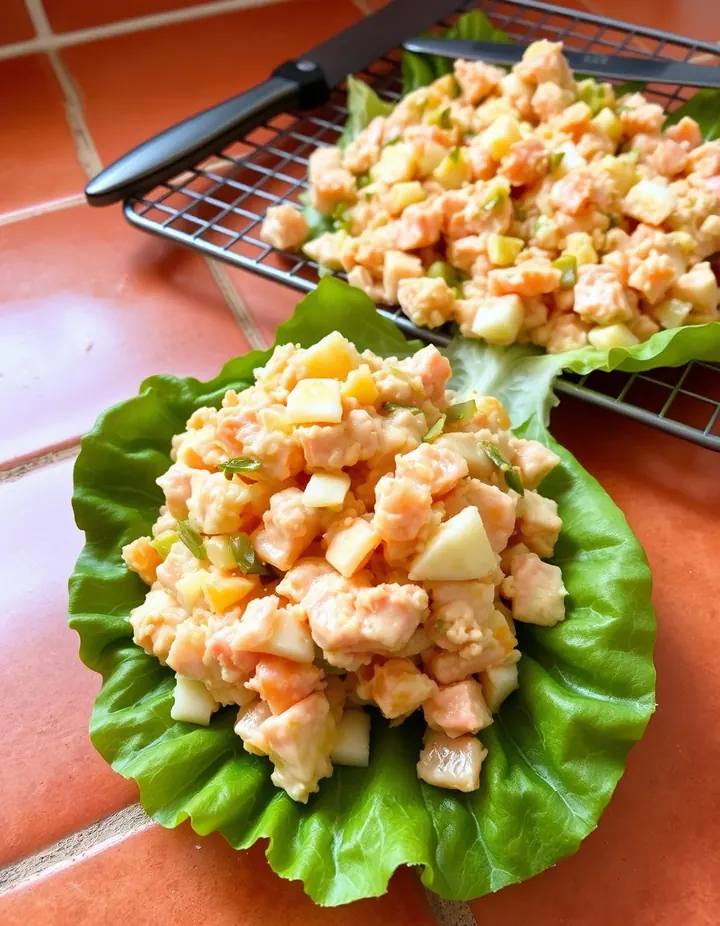 Salmon Salad155 recipes
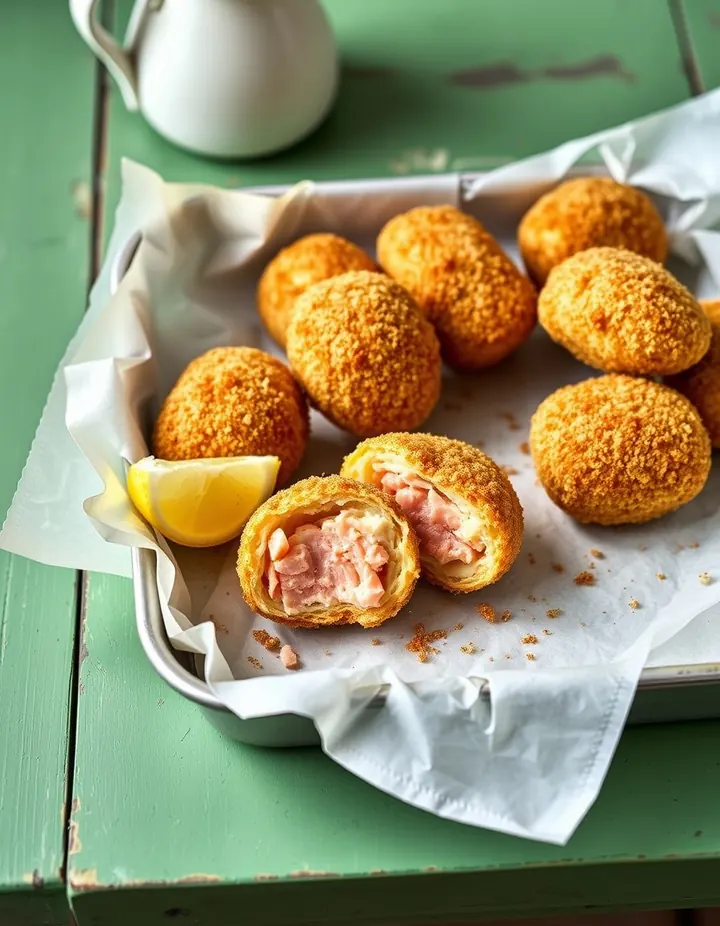 Salmon Croquettes129 recipes
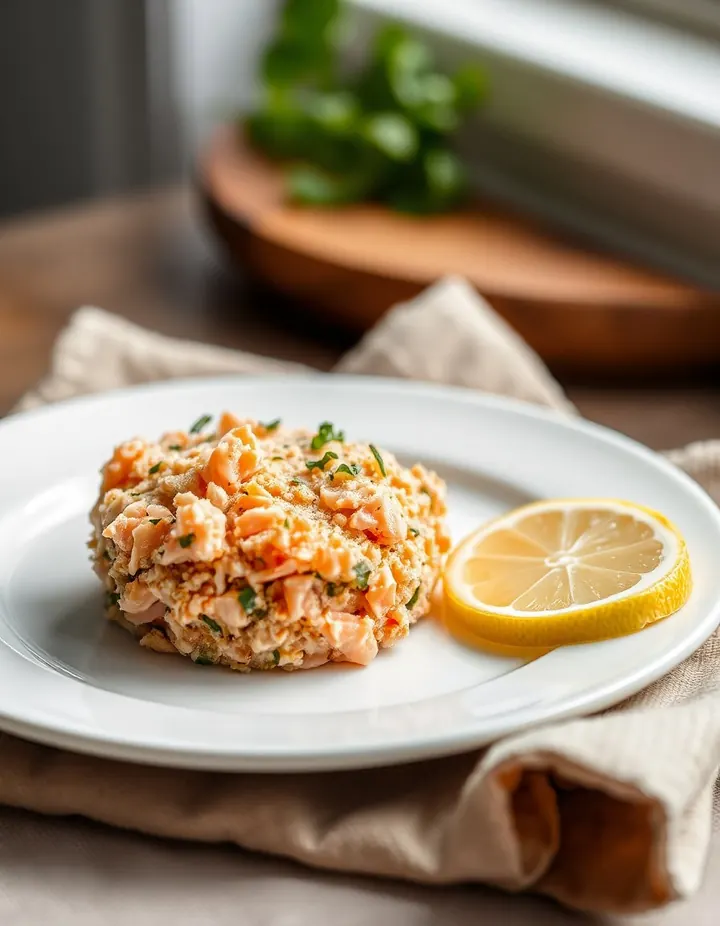 Canned Salmon14 recipes
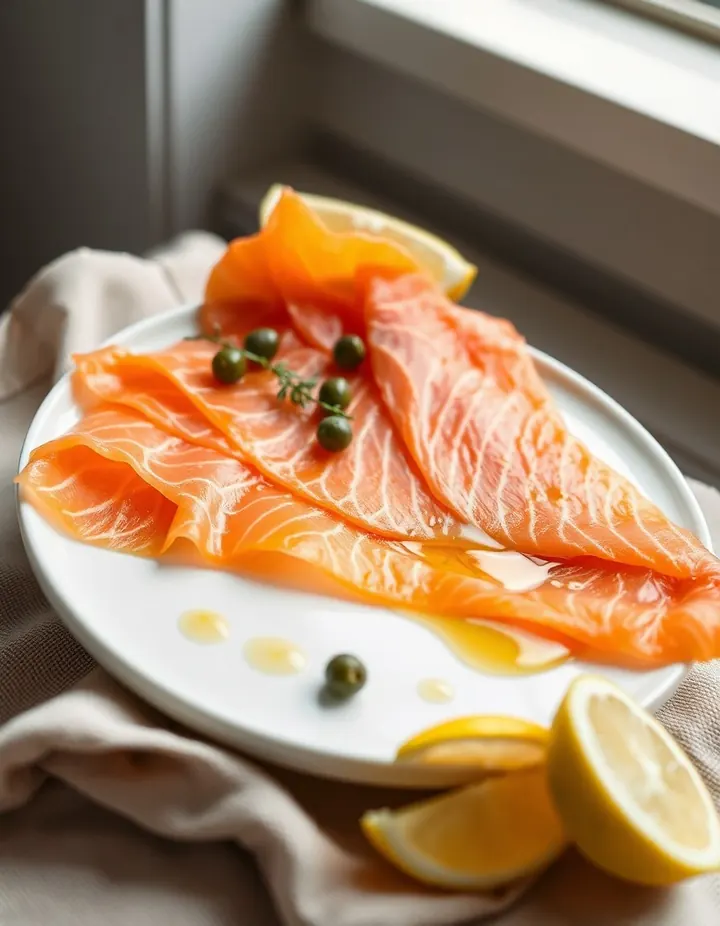 Smoked Salmon14 recipes
The free Flavor Lab newsletter: one surprising pairing a week and the molecular reason it works, in 60 seconds. No spam, unsubscribe anytime.
Prefer an account? Create a free account to save pairings and unlock the full chemistry.