Why it works: Meat and flour are a kitchen classic. They rank in the top 28% of all ingredient pairs, and cooks put them together in 5,529 recipes. Both carry isobutyraldehyde, which smells malty, green. The science ↓
Roasting Meat
Ingredients
Directions
Prepare the fire and ensure it is burning brightly.
Roast the meat for 15 minutes per pound for beef, or 20 minutes per pound for pork or veal.
Baste the meat regularly to keep it tender.
When the meat is nearly done, stir the fire to increase the heat.
Baste the joint again and dredge it with flour and a little salt.
Check for doneness by observing the steam direction; it should rise towards the fire.
Transcribed from a scanned cookbook and modernised for today's kitchens. Where the book gave no heat or time, or said "a moderate oven", the temperatures and times here may be modern equivalents rather than the book's own figures.
Explore the science
The flavor team
The pairs that carry this dish. Each one is judged two ways: how much their aromas overlap, and how often cooks already put them together.
-
Meat + flourtop 28% of all pairsSmell alikelowCooked together5,529 recipes
Shared aroma: isobutyraldehyde (malty, green).
Ranks compare each pair with 20,000 random ingredient pairs on CompKitchen. How we score pairs
What each ingredient does
- Meat
- Forms the main body of the dish; longer roasting at a steady heat turns its connective tissue tender.
- Flour
- Dusted over the surface, it helps form a browned, crisp crust as the joint finishes roasting.
The step that matters
Adjusting the heat near the end of roasting. Stirring the fire to raise the heat only once the meat is nearly done helps brown the surface without overcooking the interior. Checking doneness by the steam direction is a traditional cue, so judging by temperature is more reliable.
“What each ingredient does” and “The step that matters” were written by Claude from this recipe’s own method and reviewed in samples by CompKitchen.
You might also like
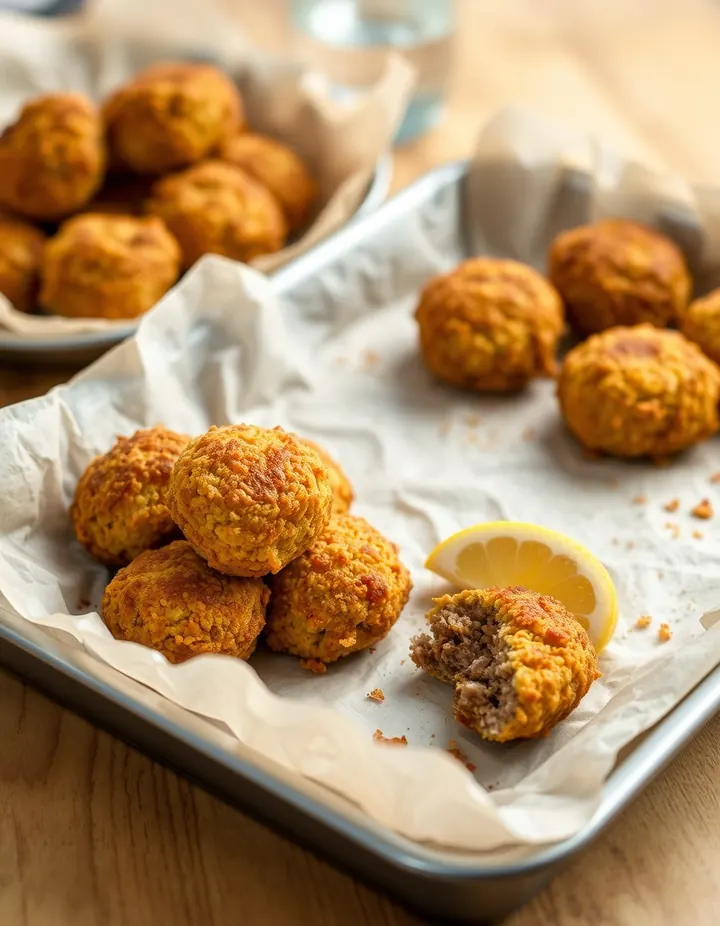 Meat Croquettes52 recipes
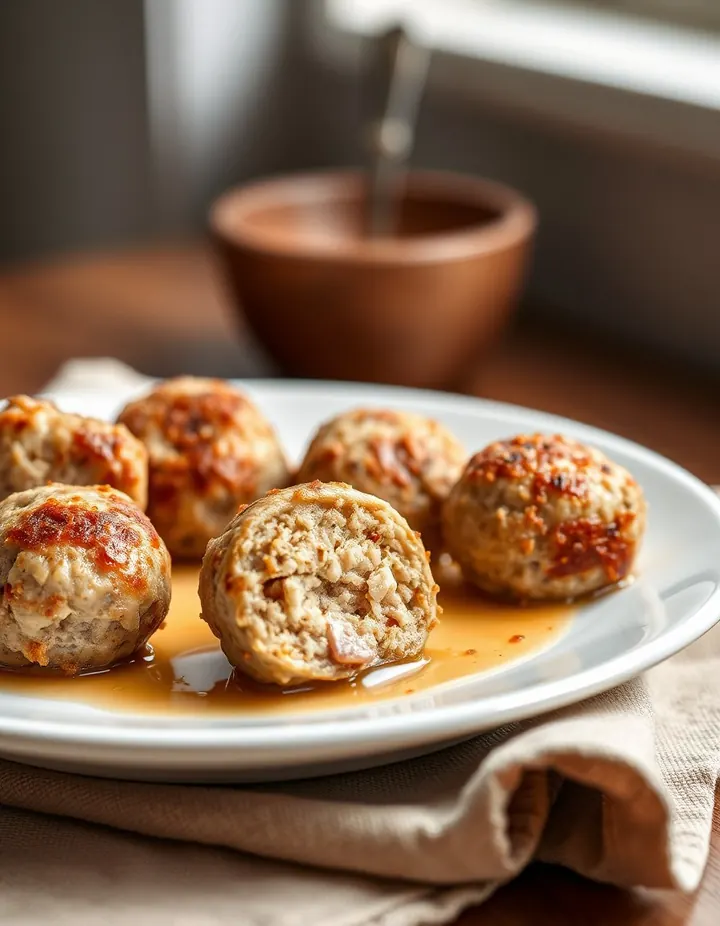 Meatballs37 recipes
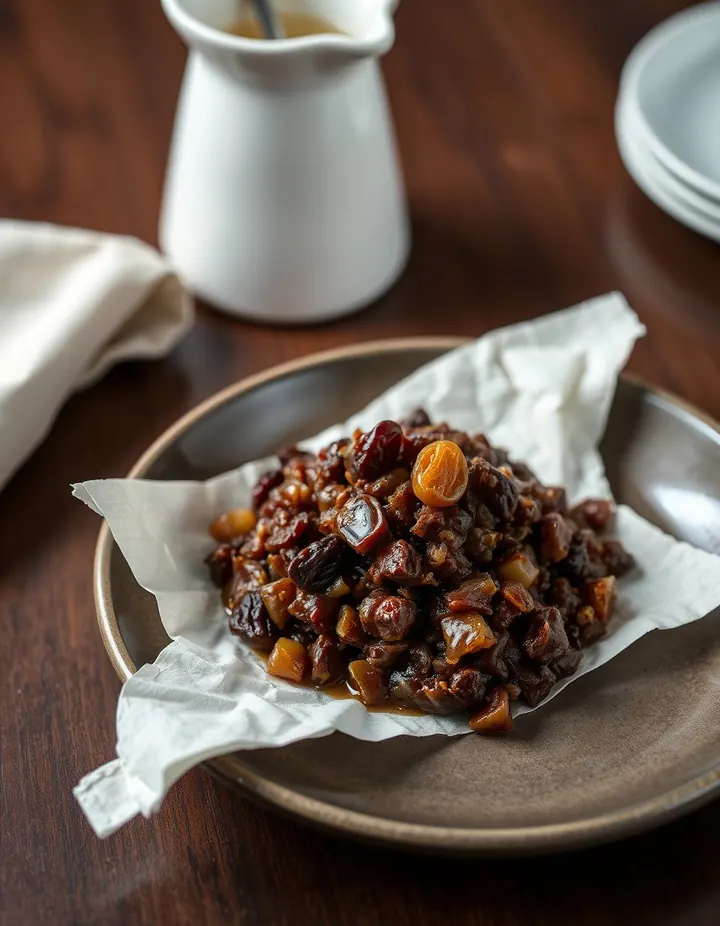 Mince Meat37 recipes
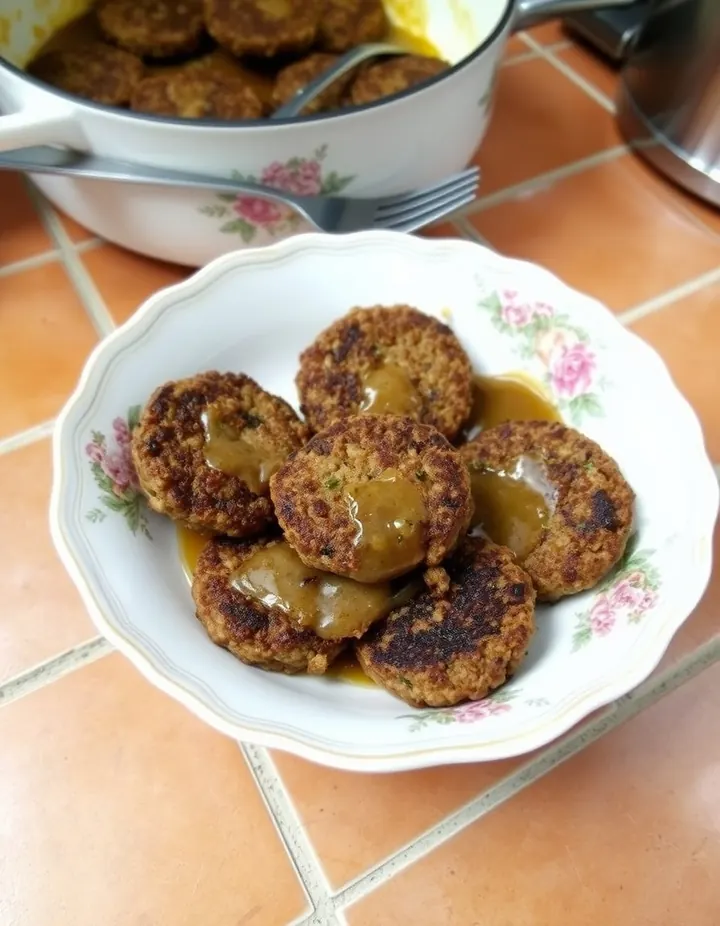 Meat Cakes35 recipes
The free Flavor Lab newsletter: one surprising pairing a week and the molecular reason it works, in 60 seconds. No spam, unsubscribe anytime.
Prefer an account? Create a free account to save pairings and unlock the full chemistry.