Why it works: Raisin and brandy are a kitchen classic. They rank in the top 13% of all ingredient pairs, and cooks put them together in 2,768 recipes. Both carry beta-damascenone, which smells apple, rose. The science ↓
Excellent Raisin Wine
Ingredients
Directions
Ferment the raisins
Combine 8 pounds of fresh Smyrna raisins with 1 gallon of spring water in a large tub.
Stir the mixture thoroughly every day for a month.
After a month, press the raisins in a horse-hair bag until as dry as possible.
Pour the liquid into a cask.
Wait until the liquid stops hissing.
Age and fortify
Add 1 bottle of the best brandy to the cask.
Seal the cask tightly.
Let the mixture age for 12 months.
After 12 months, rack off the wine without the dregs.
Filter the wine through a flannel bag.
Add the clear wine back to the cask.
Pour in 1 to 2 quarts of brandy, depending on the size of the vessel.
Seal the cask.
Let it age for three years before bottling or drinking.
Transcribed from a scanned cookbook and modernised for today's kitchens. Where the book gave no heat or time, or said "a moderate oven", the temperatures and times here may be modern equivalents rather than the book's own figures.
Explore the science
The flavor team
The pairs that carry this dish. Each one is judged two ways: how much their aromas overlap, and how often cooks already put them together.
-
Raisin + brandytop 13% of all pairsSmell alikemoderateCooked together2,768 recipes
Shared aroma: beta-damascenone (apple, rose).
Ranks compare each pair with 20,000 random ingredient pairs on CompKitchen. How we score pairs
What each ingredient does
- Fresh smyrna raisins
- Supply the sugar and flavour that ferment into the wine.
- Spring water
- Dissolves the raisin sugars and provides the liquid for fermentation.
- Brandy
- Stops fermentation and raises the alcohol content, preserving the wine during long ageing.
The step that matters
Wait until the liquid stops hissing. Hissing means yeast is still producing carbon dioxide. Adding brandy or sealing the cask too early can trap active fermentation, so the wine should be left until gas production has finished.
“What each ingredient does” and “The step that matters” were written by Claude from this recipe’s own method and reviewed in samples by CompKitchen.
More raisin wine recipes
You might also like
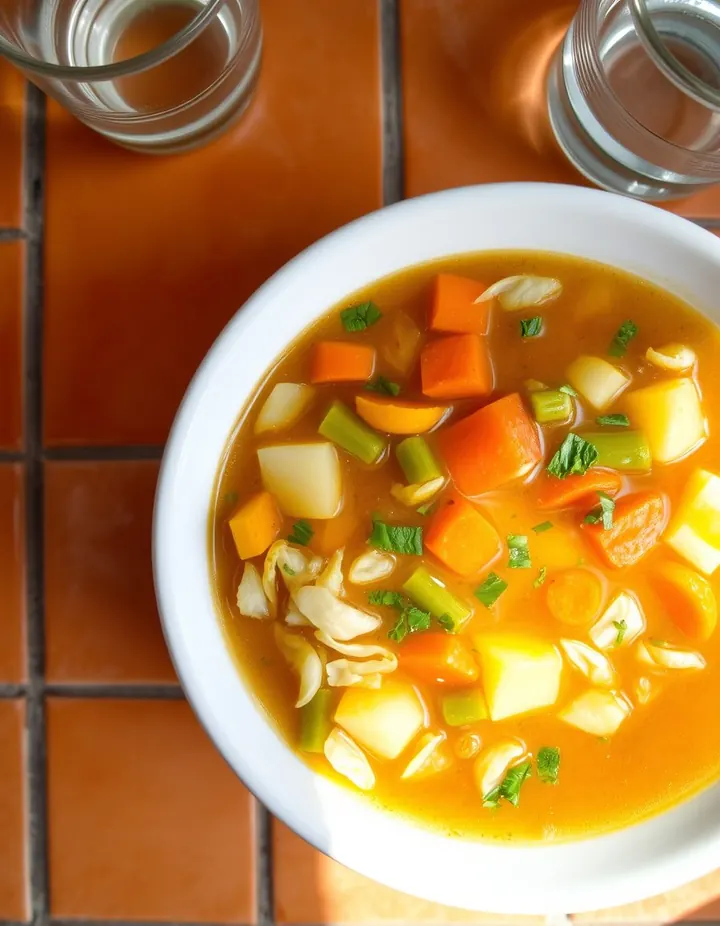 Vegetable Soup350 recipes
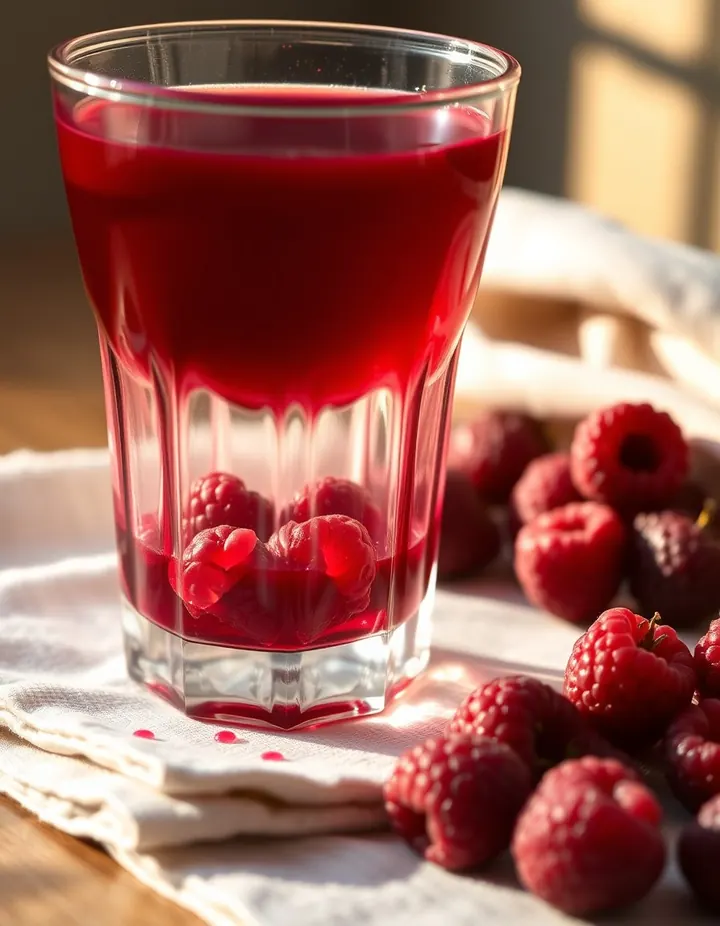 Raspberry Vinegar214 recipes
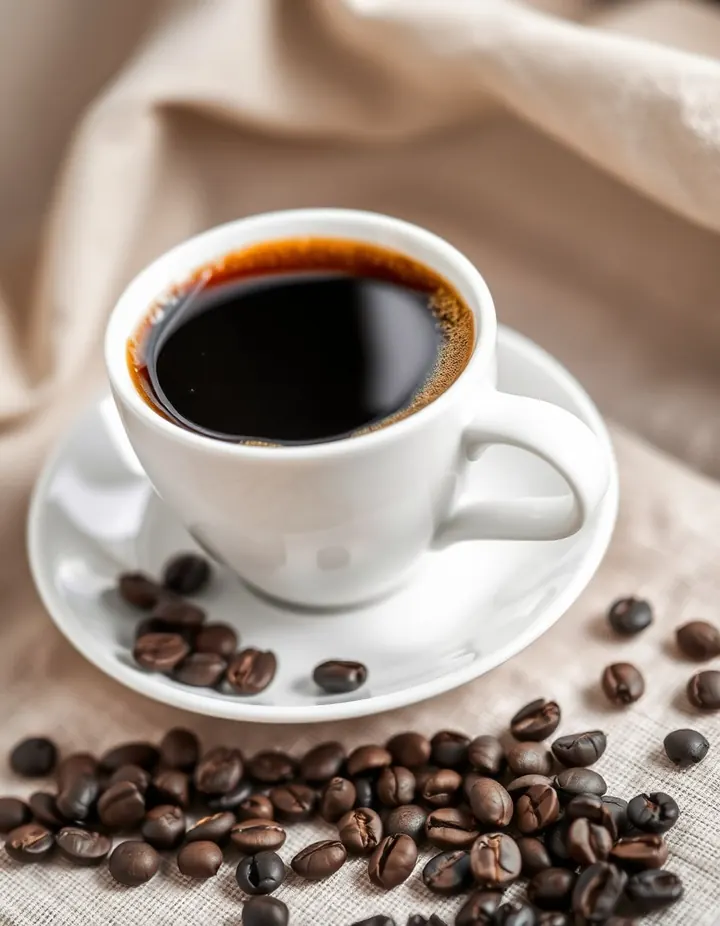 Brown Coffee with Egg175 recipes
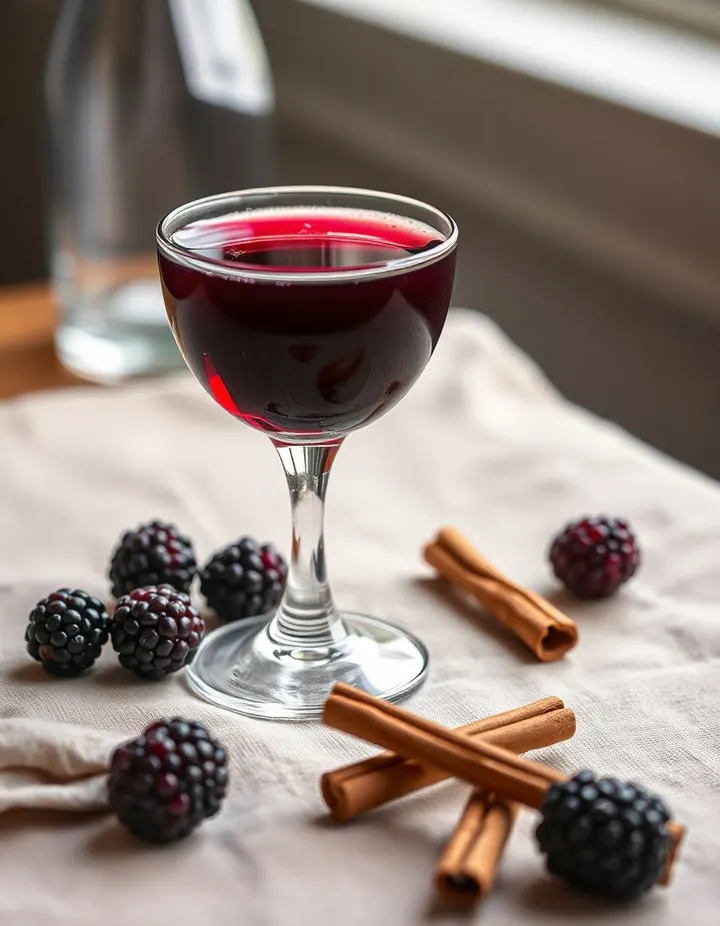 Blackberry Cordial129 recipes
The free Flavor Lab newsletter: one surprising pairing a week and the molecular reason it works, in 60 seconds. No spam, unsubscribe anytime.
Prefer an account? Create a free account to save pairings and unlock the full chemistry.