Why it works: Onion and garlic match in chemistry and in kitchens. They rank in the top 1% of all ingredient pairs, and cooks put them together in 29,058 recipes. Both carry furaneol, which smells caramel, strawberry. The science ↓
Another Receipt for a Curry
Ingredients
Directions
Cook the rice
Boil 2 quarts of water in a pot.
Add ½ pound of washed rice to the boiling water and cook for 12 minutes if using Indian rice, or 14 minutes for other types. One minute before finishing, add 1 tablespoon of coarse sea salt.
Drain the rice through a colander and let it sit to remove excess water.
Place a napkin in a pan and gently transfer the rice onto it. Fold the corner of the napkin over the rice to absorb moisture, then transfer to a serving dish.
Make the curry
In a skillet, fry the cut-up chicken until nicely browned.
In the same skillet, fry the sliced onions until golden.
Combine the fried chicken and onions in a stew pan with 1 tablespoon of curry powder.
Cover the stew with water or veal gravy and add 1 clove of garlic.
Let the stew simmer on low heat for 1 hour or until very tender.
Finish and serve
In a bowl, mix 2 or 3 tablespoons of cream with 1 teaspoon of flour, 2 ounces of butter, juice of 1 lemon, and salt to taste.
Add the cream mixture to the stew and bring to a gentle boil, then remove from heat.
Transcribed from a scanned cookbook and modernised for today's kitchens. Where the book gave no heat or time, or said "a moderate oven", the temperatures and times here may be modern equivalents rather than the book's own figures.
Explore the science
The flavor team
The pairs that carry this dish. Each one is judged two ways: how much their aromas overlap, and how often cooks already put them together.
-
Onion + garlictop 1% of all pairsSmell alikestrongCooked together29,058 recipes
Shared aroma: furaneol (caramel, strawberry).
-
Rice + chickentop 5% of all pairsSmell alikemoderateCooked together4,769 recipes
Shared aroma: (e,e)-2,4-decadienal (fatty, deep fried).
-
Chicken + garlictop 7% of all pairsSmell alikemoderateCooked together10,850 recipes
Shared aroma: 3-ethyl-2,5-dimethylpyrazine (roasted, nutty).
-
Chicken + oniontop 8% of all pairsSmell alikemoderateCooked together17,814 recipes
Shared aroma: gamma-nonanolactone (coconut, sweet).
-
Rice + oniontop 9% of all pairsSmell alikemoderateCooked together10,433 recipes
Shared aroma: 2,4-decadienal (seaweed).
Ranks compare each pair with 20,000 random ingredient pairs on CompKitchen. How we score pairs
What each ingredient does
- Chicken
- Browning and then slow simmering makes the meat tender and flavourful in the sauce.
- Onions
- Frying until golden builds sweetness and body into the curry base.
- Cream
- Adds richness and a smooth, mellow texture to the finished sauce.
- Butter
- Adds fat and richness, carrying flavour and giving the sauce a glossy finish.
- Flour
- Thickens the cream mixture so the sauce becomes lightly body-rich rather than watery.
- Rice
- Cooked in boiling water and drained, it forms the starchy base served with the curry.
The step that matters
Adding the cream mixture to the stew. Cream and lemon juice are acidic and dairy-rich, so bringing the stew to a gentle boil rather than a hard boil helps prevent the cream from curdling and keeps the sauce smooth.
Swap the clove
How well each one fits the dish's main ingredients (rice, chicken, onion, veal, garlic, cream, flour):
- Turmericfits better
- Cuminfits better
- Capersfits better
- Clovethe original
Fit is the average pairing score against rice, chicken, onion, veal, garlic, cream, flour. Candidates are from the same food group and used in at least 100 recipes.
“What each ingredient does” and “The step that matters” were written by Claude from this recipe’s own method and reviewed in samples by CompKitchen.
You might also like
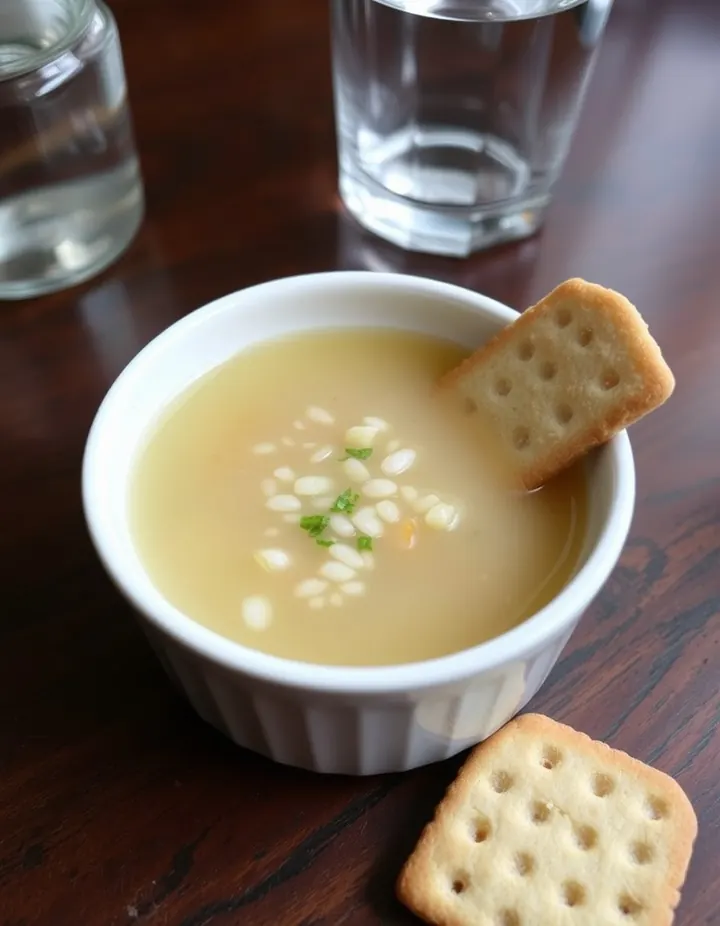 Chicken Broth257 recipes
 Lemon Sauce236 recipes
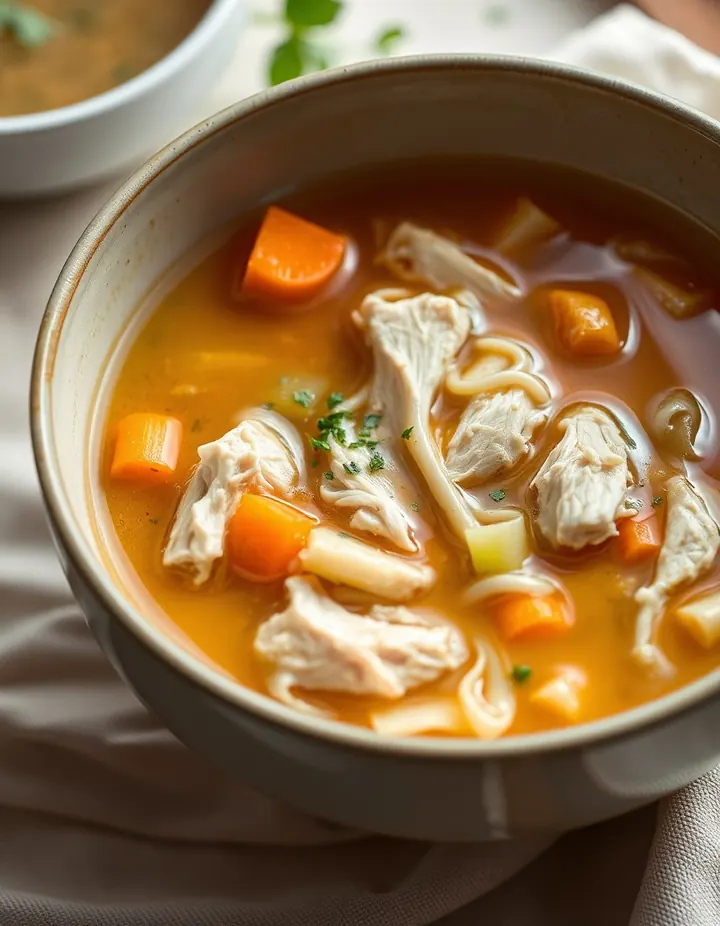 Chicken Soup156 recipes
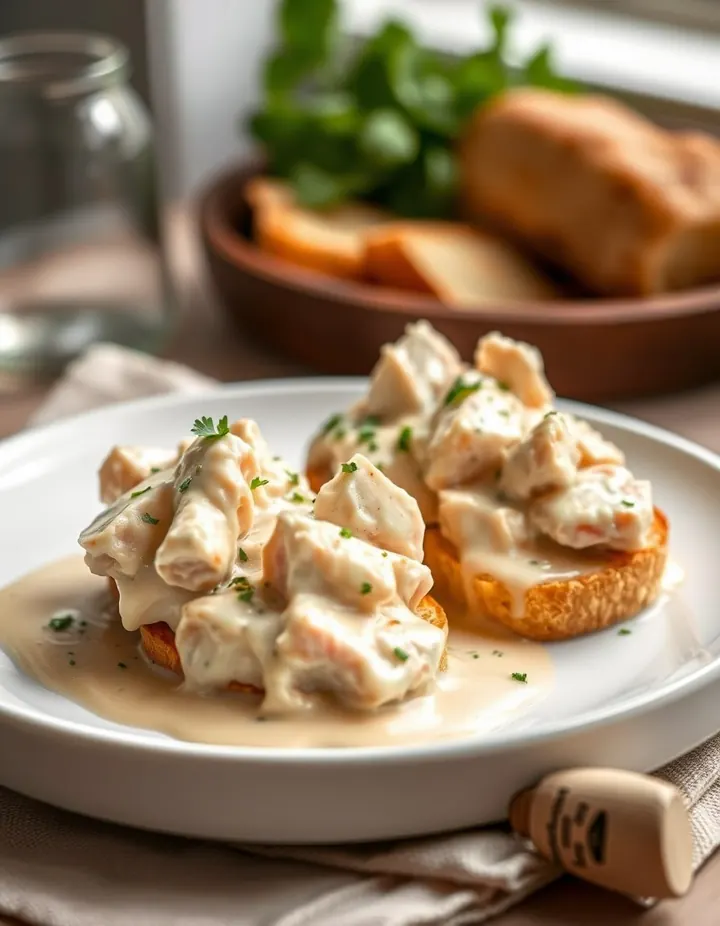 Creamed Chicken89 recipes
The free Flavor Lab newsletter: one surprising pairing a week and the molecular reason it works, in 60 seconds. No spam, unsubscribe anytime.
Prefer an account? Create a free account to save pairings and unlock the full chemistry.