Why it works: Bread and butter are a kitchen classic. They rank in the top 7% of all ingredient pairs, and 27,232 recipes mention both. Both carry delta-decalactone, which smells sweet, creamy. The science ↓
Oyster Patties
Ingredients
Directions
The book says “a hot oven”. The 400°F (200°C) in the steps is the modern equivalent, not the book's own figure.
Prepare the cases
Roll out puff pastry to ¼ inch thick and cut into squares.
Line 8–10 patty pans with the squares and place a piece of bread in each.
Roll out another layer of pastry, cut it, and wet the edges of the bottom layer.
Place the top layer on, trim to fit the pan, and notch the edges with a knife.
Brush lightly with egg yolk and bake in a 400 °F (200 °C) oven for 15 minutes.
Remove from oven, cut off the tops, and scoop out the bread and inside pastry.
Make the filling
Parboil the oysters, strain, wash, and cut them into quarters.
In a saucepan, combine oysters, butter rolled in flour, cream, lemon peel, reduced oyster liquor, cayenne, salt, and lemon juice.
Stir over heat for 5 minutes and fill the patties.
Transcribed from a scanned cookbook and modernised for today's kitchens. Where the book gave no heat or time, or said "a moderate oven", the temperatures and times here may be modern equivalents rather than the book's own figures.
Explore the science
The flavor team
The pairs that carry this dish. Each one is judged two ways: how much aroma chemistry they share, and how many recipes mention both.
-
Bread + buttertop 7% of all pairsAroma overlapmoderateMentioned together27,232 recipes
Shared aroma: delta-decalactone (sweet, creamy).
-
Butter + creamtop 8% of all pairsAroma overlapmoderateMentioned together41,516 recipes
Shared aroma: delta-dodecalactone (sweet, creamy).
-
Walnut + lemontop 10% of all pairsAroma overlapstrongMentioned together2,149 recipes
Shared aroma: 2-nonenal (fatty, green).
-
Butter + flourtop 12% of all pairsAroma overlaplowMentioned together124,287 recipes
Shared aroma: isobutyraldehyde (malty, green).
-
Walnut + flourtop 12% of all pairsAroma overlapmoderateMentioned together5,873 recipes
Shared aroma: isobutyraldehyde (malty, green).
Butter and flour share little aroma chemistry, yet 124,287 recipes mention both: they likely work on texture and structure more than aroma.
Ranks compare each pair with 20,000 random ingredient pairs on CompKitchen. How we score pairs
What each ingredient does
- Puff pastry
- Forms the flaky, layered shell that holds the filling and browns in the oven.
- Oysters
- Provide the main filling and its briny, savoury flavour.
- Butter
- Rolled in flour, it thickens the filling and adds richness.
- All-purpose flour
- Combined with butter to thicken the creamy filling as it heats.
- Heavy cream
- Adds moisture and richness, giving the filling a smooth, creamy texture.
- Egg yolk
- Brushed on top to promote a golden browning during baking.
The step that matters
Stir the filling over heat for 5 minutes. The butter and flour must cook long enough to thicken the cream without scorching, and the oysters must stay tender rather than turning rubbery from overheating.
Flavor stand-ins for the lemon
How well each one fits the dish's main ingredients (bread, walnut, egg, oyster, butter, flour, cream):
- Figbetter flavor fit
- Vanillabetter flavor fit
- Raisinbetter flavor fit
- Lemonthe original
Fit is the average pairing score against bread, walnut, egg, oyster, butter, flour, cream. Candidates are from the same food group and used in at least 100 recipes. This compares flavor only: it does not check the job the ingredient does in the dish (bulk, moisture, acidity, structure).
“What each ingredient does” and “The step that matters” were written by Claude from this recipe’s own method and reviewed in samples by CompKitchen.
You might also like
 Brown Bread461 recipes
 Lemon Sauce236 recipes
 White Bread80 recipes
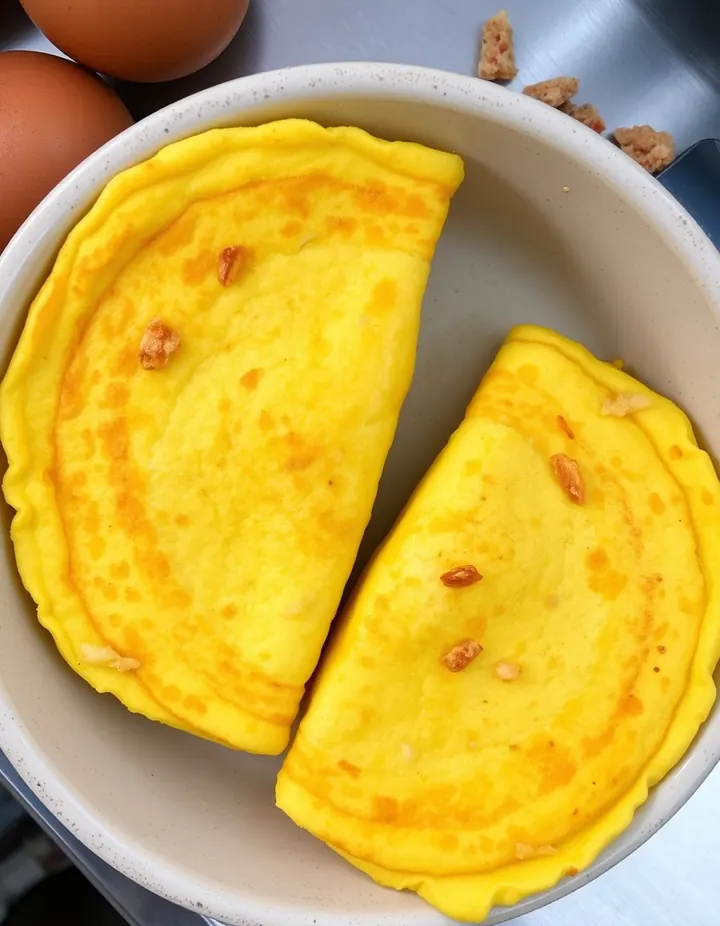 Bread Omelette60 recipes
The Sunday pairing: one pairing, the chemistry behind it, and how to cook it. No spam, unsubscribe anytime.
Prefer an account? Create a free account for sign-in; Pro adds the full results and chemistry.