Why it works: Sage and lemon match in chemistry and in kitchens. They rank in the top 2% of all ingredient pairs, and cooks put them together in 887 recipes. Both carry 3-hexenal, which smells apple, fruity. The science ↓
To Roast a Sucking Pig
Ingredients
Directions
Prepare the pig
After scalding the pig, dry it thoroughly.
Fill the body with bread crumbs, sage, butter, salt, and pepper or cayenne.
Sew the pig up with strong cotton.
Truss it like a hare, with forelegs skewered back and hind legs forward.
Roast
Roast it over a strong, clear fire, keeping it at a moderate distance to avoid scorching.
Once warm, rub it with butter.
Cover it with muslin or thin cloth, repeating this while roasting.
Place basins under the pig to catch the dripping gravy.
When the pig is a light amber brown and steam draws towards the fire, dry it with a clean cloth.
Rub it with cold butter.
Halfway through cooking, hang a large flat iron in the center of the grate to ensure even cooking.
When ready, place the pig in a very hot dish.
Remove the spit.
Open the head, and split the body in two.
Make the sauce and serve
Chop the stuffing and brains together.
Mix with veal gravy, Madeira or sherry, and the drippings from the pig.
Pour some of the mixture under the meat.
Serve the rest hot in a tureen, adding mace, cayenne, and lemon juice if desired.
Transcribed from a scanned cookbook and modernised for today's kitchens. Where the book gave no heat or time, or said "a moderate oven", the temperatures and times here may be modern equivalents rather than the book's own figures.
Explore the science
The flavor team
The pairs that carry this dish. Each one is judged two ways: how much their aromas overlap, and how often cooks already put them together.
-
Sage + lemontop 2% of all pairsSmell alikestrongCooked together887 recipes
Shared aroma: 3-hexenal (apple, fruity).
-
Pepper + lemontop 3% of all pairsSmell alikestrongCooked together27,047 recipes
Shared aroma: trans-2-nonenal (cardboard, fatty).
-
Sage + peppertop 3% of all pairsSmell alikestrongCooked together5,388 recipes
Shared aroma: beta-phellandrene (minty, terpene).
-
Bread + buttertop 7% of all pairsSmell alikemoderateCooked together27,232 recipes
Shared aroma: delta-decalactone (sweet, creamy).
-
Butter + sherrytop 14% of all pairsSmell alikemoderateCooked together3,505 recipes
Shared aroma: ethyl octanoate (fruity, wine).
Ranks compare each pair with 20,000 random ingredient pairs on CompKitchen. How we score pairs
What each ingredient does
- Sucking pig
- Provides the main meat, which is roasted whole and carved for serving.
- Butter
- Adds fat and richness, and rubbing it on the skin promotes browning and moisture.
- Bread crumbs
- Absorb the drippings and juices inside the body, giving the stuffing body and moisture.
- Veal gravy
- Adds savory depth and moisture to the sauce served with the pig.
- Madeira or sherry
- Adds sweetness and aroma to the gravy mixture.
The step that matters
Keep the pig at a moderate distance from the fire. Too close a fire scorches the skin before the thick meat cooks through, while steady moderate heat lets the fat render and the skin brown evenly.
Swap the mace
The recipe marks mace as optional. How well each one fits the dish's main ingredients (bread, sage, butter, pepper, veal, sherry, lemon):
- Thymefits better
- Marjoramfits better
- Parsleyfits better
- Macethe original
Fit is the average pairing score against bread, sage, butter, pepper, veal, sherry, lemon. Candidates are from the same food group and used in at least 100 recipes.
“What each ingredient does” and “The step that matters” were written by Claude from this recipe’s own method and reviewed in samples by CompKitchen.
You might also like
 Brown Bread461 recipes
 Lemon Sauce236 recipes
 White Bread80 recipes
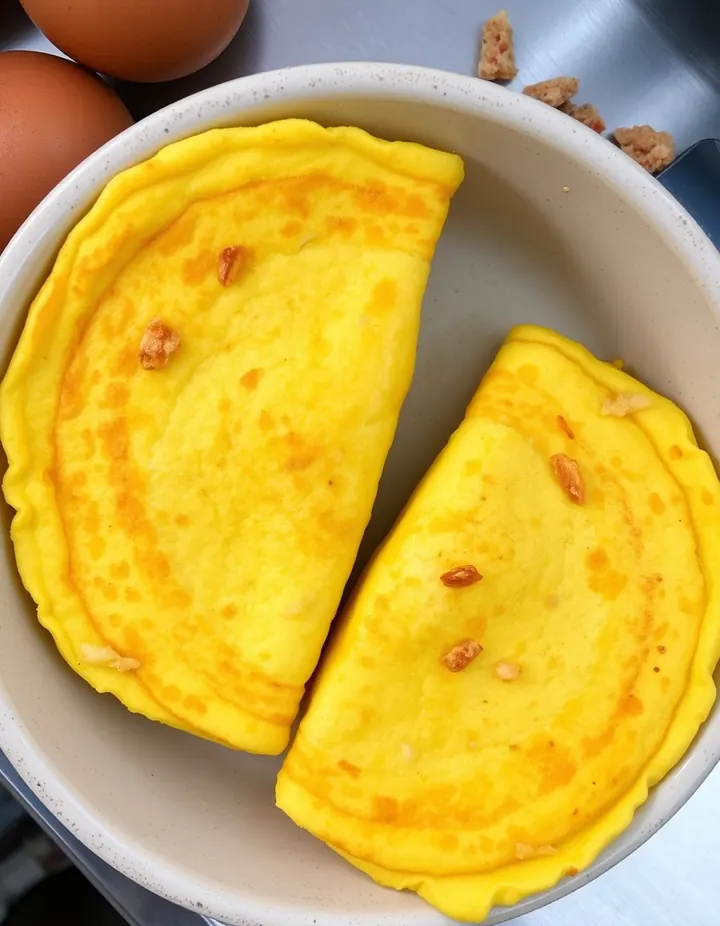 Bread Omelette60 recipes
The free Flavor Lab newsletter: one surprising pairing a week and the molecular reason it works, in 60 seconds. No spam, unsubscribe anytime.
Prefer an account? Create a free account to save pairings and unlock the full chemistry.