Why it works: Cream and butter match in chemistry and in kitchens. They rank in the top 3% of all ingredient pairs, and 41,494 recipes mention both. Both carry delta-dodecalactone, which smells sweet, creamy. The science ↓
The recipe
Ingredients
Contains: egg, milk, wheat (auto-detected from the ingredients and method; we can miss things, so check labels)
Directions
The book says “a quick oven”. The 400°F (200°C) in the steps is the modern equivalent, not the book's own figure.
Make the starter
Take ¾ cup of flour and mix it with yeast and warm cream or milk to form a paste.
Cover and let rise near heat for 30 minutes.
Make the dough
In a large bowl, make a well in the remaining flour.
Add salt, sugar, egg yolks, butter, and warm cream. Mix until smooth.
Incorporate the risen paste into the flour mixture, kneading lightly until uniform in color.
Shape, bake and serve
Place the dough in a well-buttered cake mold and let it rise until doubled in size.
Brush the top with beaten egg.
Bake in a preheated oven at 400°F (200°C) for about 1 hour, avoiding over-browning.
Remove from the mold, slice, and pour melted butter over the slices.
Serve immediately.
Transcribed from a scanned cookbook and modernised for today's kitchens. Where the book gave no heat or time, or said "a moderate oven", the temperatures and times here may be modern equivalents rather than the book's own figures.
Explore the science
The flavor team
The pairs that carry this dish. Each one is judged two ways: how much aroma chemistry they share, and how many recipes mention both.
-
Cream + buttertop 3% of all pairsAroma overlapstrongMentioned together41,494 recipes
Shared aroma: delta-dodecalactone (sweet, creamy).
-
Cream + sugartop 5% of all pairsAroma overlapmoderateMentioned together43,437 recipes
Shared aroma: 2,3-butanedione (butter, sweet).
-
Flour + buttertop 6% of all pairsAroma overlaplowMentioned together122,858 recipes
Shared aroma: isobutyraldehyde (malty, green).
-
Egg + buttertop 8% of all pairsAroma overlapstrongMentioned together118,511 recipes
Shared aroma: nonanal (fat, citrus).
-
Flour + eggtop 8% of all pairsAroma overlaplowMentioned together104,138 recipes
Shared aroma: isobutyraldehyde (malty, green).
Flour and butter share little aroma chemistry, yet 122,858 recipes mention both: they likely work on texture and structure more than aroma.
Ranks compare each pair with 20,000 random ingredient pairs on CompKitchen. How we score pairs
What each ingredient does
- All-purpose flour
- Provides the main structure that the dough builds around as it is kneaded and baked.
- Yeast
- Produces gas as it ferments, making the dough rise and become light.
- Egg yolks
- Add richness and tenderness, and help the crumb set and colour in the oven.
- Butter
- Adds fat for softness and flavour, and is poured over the slices at the end.
- Sugar
- Feeds the yeast and adds sweetness and browning in the crust.
The step that matters
Bake in a preheated oven at 400°F (200°C) for about 1 hour, avoiding over-browning.. The loaf is large and dense, so the outside can darken well before the centre is fully baked. Watching colour and tenting if needed helps the inside cook through without a burnt crust.
“What each ingredient does” and “The step that matters” were written by Claude from this recipe’s own method and reviewed in samples by CompKitchen.
You might also like
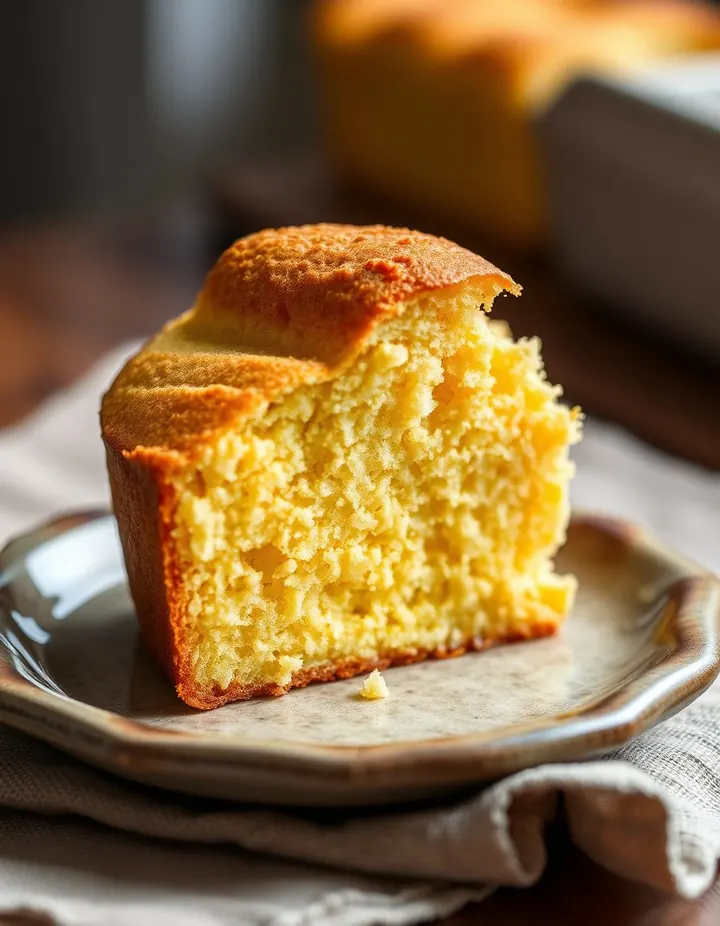 Illustration
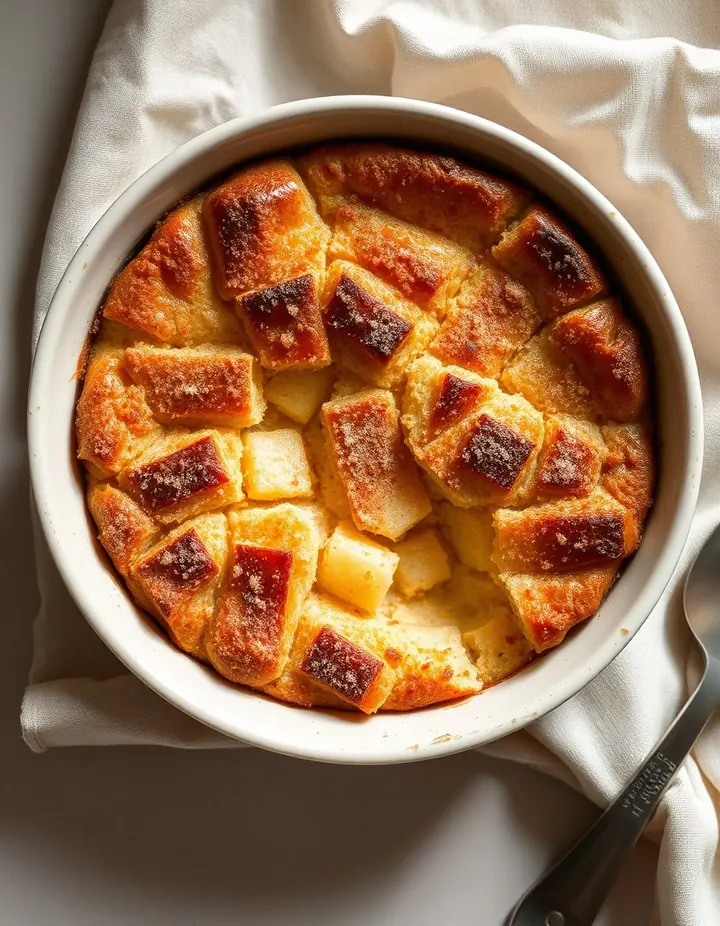 Illustration
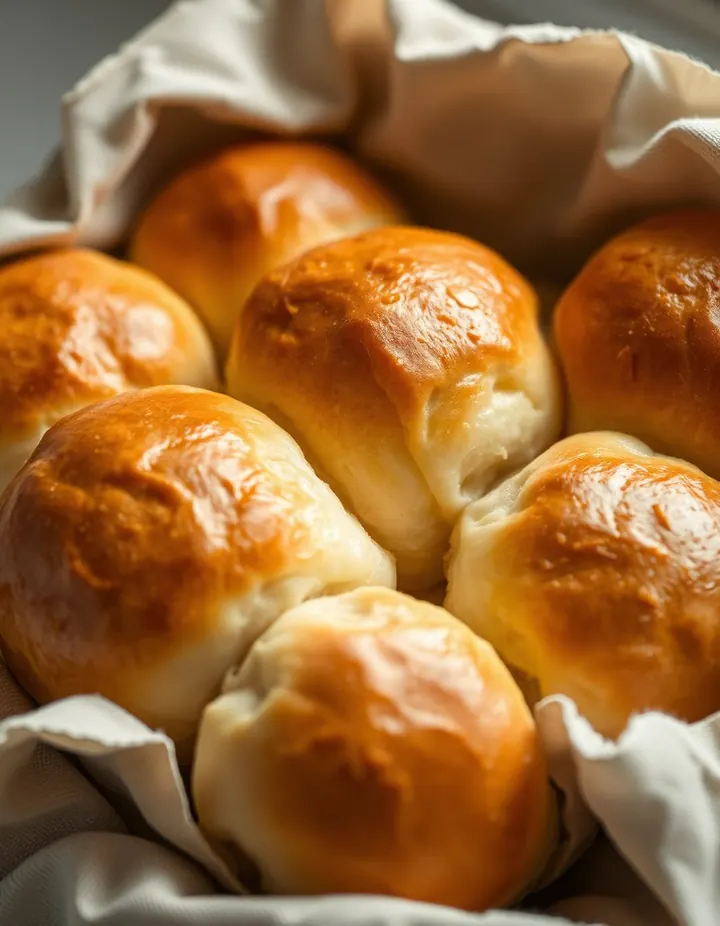 Illustration
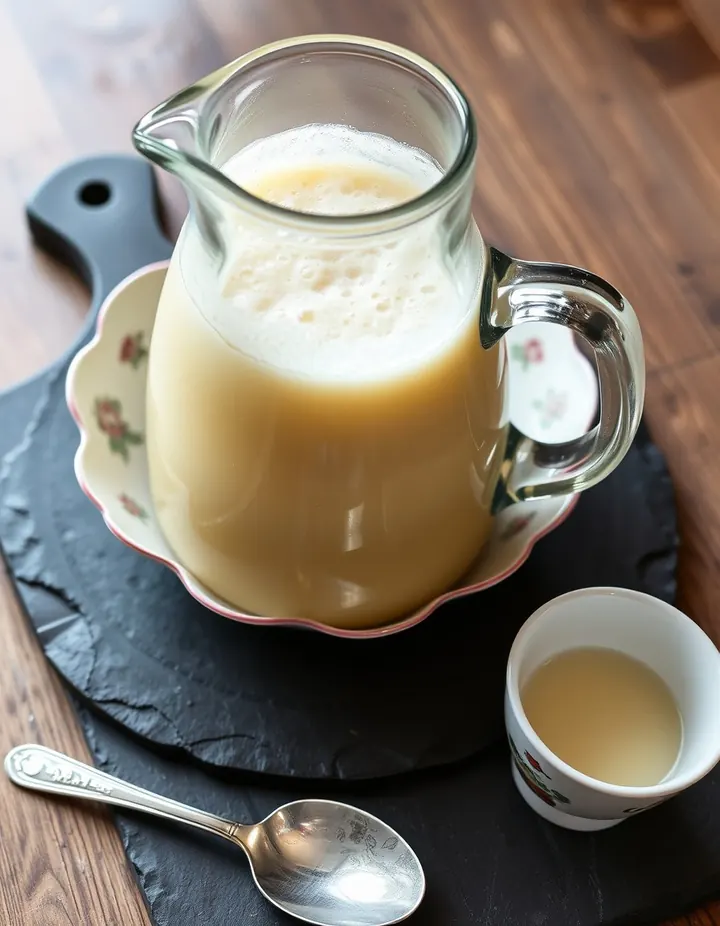 Illustration
The Sunday pairing: one pairing, the chemistry behind it, and how to cook it. No spam, unsubscribe anytime.
Prefer an account? Create a free account for sign-in; Pro adds the full results and chemistry.