Why it works: Cardoon and watercress share more aroma than cooks usually use. They rank in the top 1% of all ingredient pairs, and cooks put them together in 2 recipes. Both carry coumarin, which smells sweet, hay. The science ↓
Stewed Cardoons
Ingredients
Directions
Cut the cardoons into pieces and remove the outer skin.
Wash and scald the cardoons.
Place them in a saucepan and add enough stock to cover.
Boil until three-quarters cooked and the liquid is almost reduced.
Add a small amount of béchamel sauce and stew gently until fully cooked.
Serve with pieces of fried bread and stewed watercress arranged around the dish, with the cardoons in the center.
Transcribed from a scanned cookbook and modernised for today's kitchens. Where the book gave no heat or time, or said "a moderate oven", the temperatures and times here may be modern equivalents rather than the book's own figures.
Explore the science
The flavor team
The pairs that carry this dish. Each one is judged two ways: how much their aromas overlap, and how often cooks already put them together.
-
Cardoon + watercresstop 1% of all pairsSmell alikestrongCooked together2 recipes
Shared aroma: coumarin (sweet, hay).
-
Cardoon + breadtop 15% of all pairsSmell alikemoderateCooked together19 recipes
Shared aroma: coumarin (sweet, hay).
-
Bread + watercresstop 15% of all pairsSmell alikemoderateCooked together307 recipes
Shared aroma: coumarin (sweet, hay).
-
Cardoon + saucetop 17% of all pairsSmell alikemoderateCooked together48 recipes
Shared aroma: ethanol (alcoholic, ethereal).
-
Sauce + watercresstop 18% of all pairsSmell alikemoderateCooked together295 recipes
Shared aroma: ethanol (alcoholic, ethereal).
Ranks compare each pair with 20,000 random ingredient pairs on CompKitchen. How we score pairs
You might also like
 Brown Bread461 recipes
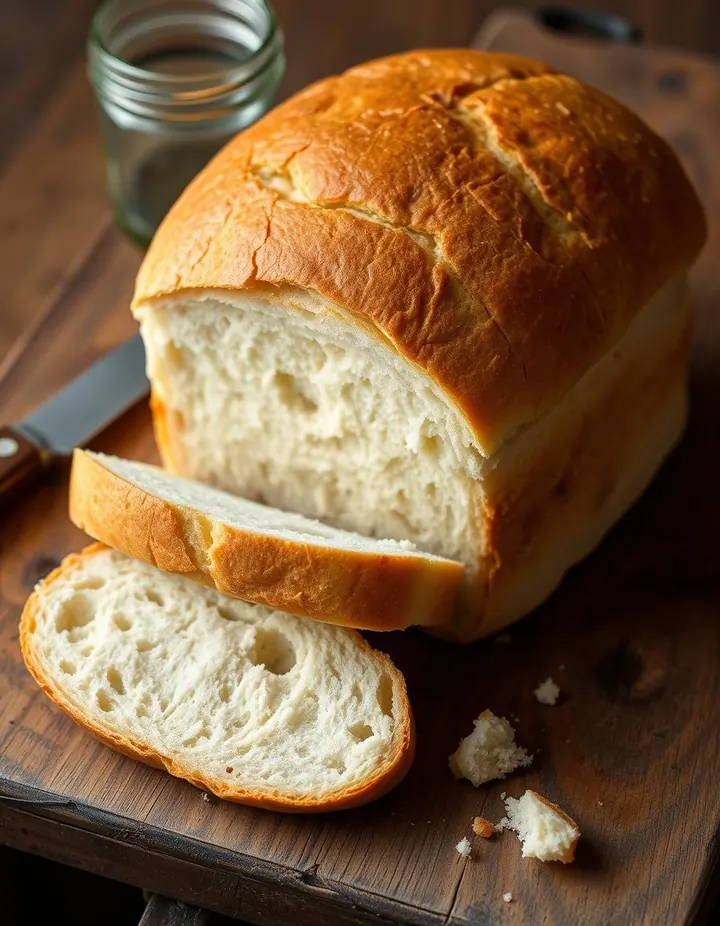 White Bread80 recipes
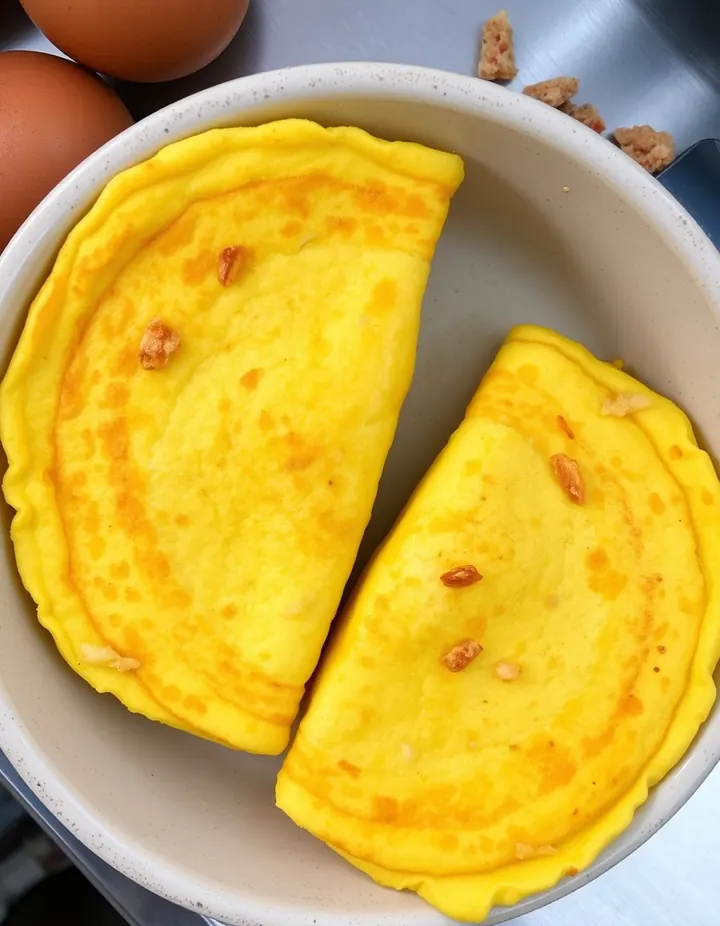 Bread Omelette60 recipes
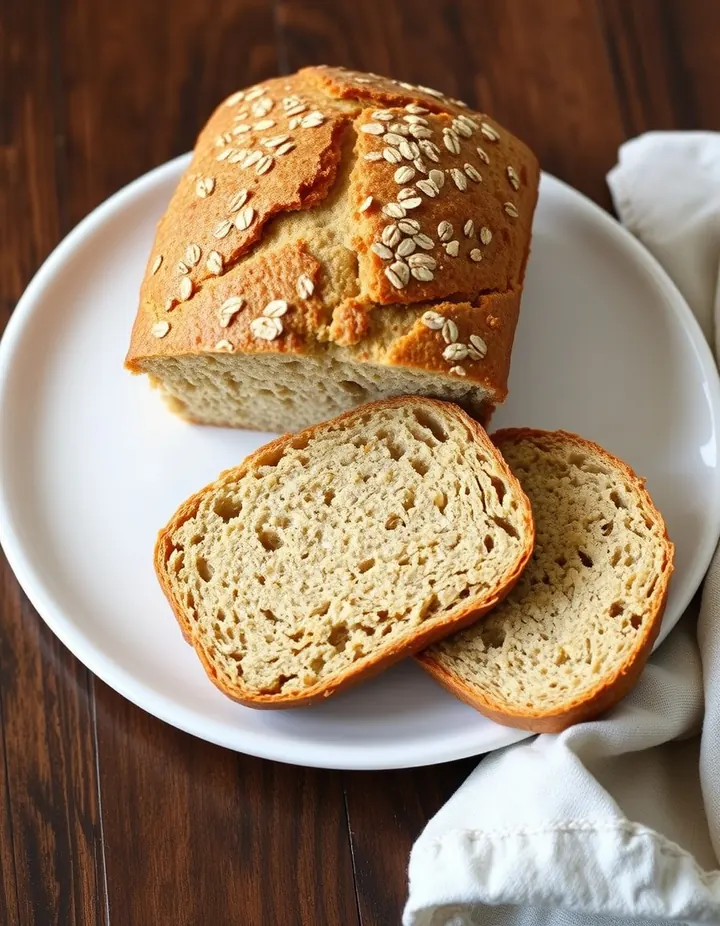 Oatmeal Bread51 recipes
The free Flavor Lab newsletter: one surprising pairing a week and the molecular reason it works, in 60 seconds. No spam, unsubscribe anytime.
Prefer an account? Create a free account to save pairings and unlock the full chemistry.