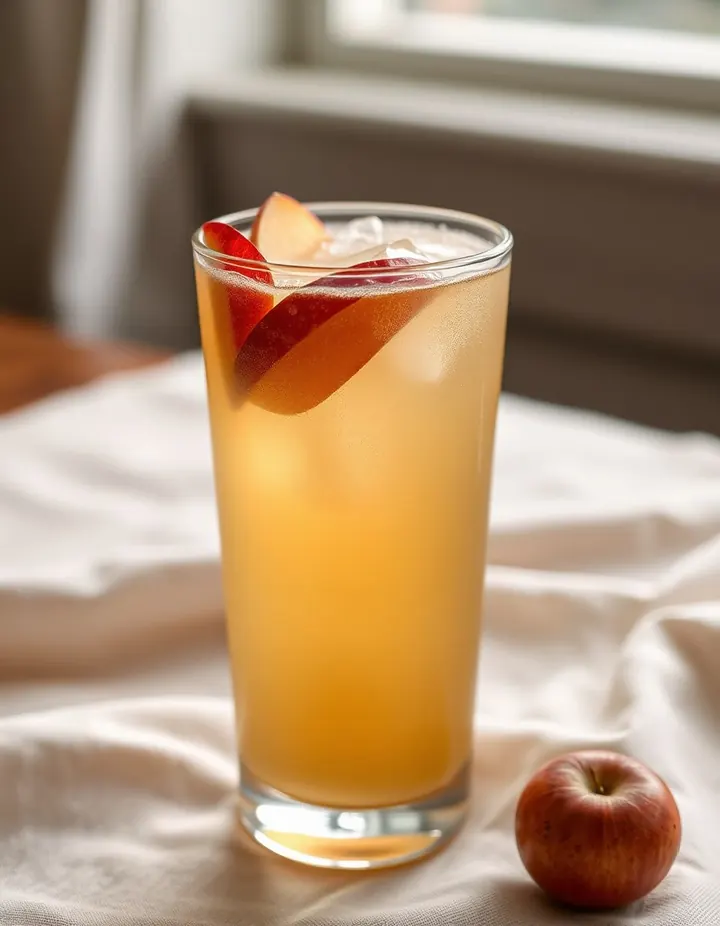
Why it works: Flour and sugar are a kitchen classic. They rank in the top 15% of all ingredient pairs, and cooks put them together in 92,116 recipes. Both carry phenylacetaldehyde, which smells hawthorne, honey. The science ↓
To Make Cider
Ingredients
Directions
Prepare the juice
Harvest ripe apples that can be easily shaken from the tree.
Bruise or grind the apples until they form a mash.
Place the mash in a fine hair bag and squeeze out the juice gradually.
Strain the juice through a fine sieve into a clean cask.
Mash the leftover pulp with a little warm water and add a quarter of it back to the cider.
Ferment
Mix honey, egg whites, and flour together, then place in a fine rag and hang it in the cider cask.
Add 1 pint of warm new ale yeast to the cider.
Let the mixture sit for 5 to 6 days to ferment.
Bottle and store
After fermentation, transfer the cider into smaller casks or bottles, leaving 1 inch of space at the top.
Check for fermentation pressure by listening for hissing sounds from the corks and open if necessary.
In winter, keep the bottles warm; in summer, store them in a cool place.
To preserve the cider's strength, add a small lump of loaf sugar to each bottle.
Transcribed from a scanned cookbook and modernised for today's kitchens. Where the book gave no heat or time, or said "a moderate oven", the temperatures and times here may be modern equivalents rather than the book's own figures.
Photo for illustrative purposes only · Contact us to use it
Explore the science
The flavor team
The pairs that carry this dish. Each one is judged two ways: how much their aromas overlap, and how often cooks already put them together.
-
Flour + sugartop 15% of all pairsSmell alikemoderateCooked together92,116 recipes
Shared aroma: phenylacetaldehyde (hawthorne, honey).
-
Egg + flourtop 15% of all pairsSmell alikelowCooked together106,462 recipes
Shared aroma: isobutyraldehyde (malty, green).
-
Egg + sugartop 21% of all pairsSmell alikemoderateCooked together122,807 recipes
Shared aroma: 2-nonenal (fatty, green).
-
Honey + sugartop 22% of all pairsSmell alikelowCooked together2,932 recipes
Shared aroma: beta-damascenone (apple, rose).
-
Honey + flourtop 25% of all pairsSmell alikelowCooked together2,637 recipes
Shared aroma: isobutyraldehyde (malty, green).
Egg and flour barely smell alike, yet cooks put them together in 106,462 recipes: they work on texture and structure more than aroma.
Ranks compare each pair with 20,000 random ingredient pairs on CompKitchen. How we score pairs
What each ingredient does
- Red-streaked pippins
- Provide the juice and sugars that the fermentation turns into cider.
- Golden pippins
- Provide the juice and sugars that the fermentation turns into cider.
- Honey
- Adds sweetness and feeds the yeast during fermentation.
- New ale yeast
- Converts the sugars in the juice into alcohol and carbon dioxide.
- Egg whites
- Hung in the cask in a rag, they help clarify the cider as it settles.
- Loaf sugar
- Added to each bottle to renew fermentation and build carbonation.
The step that matters
Leaving headspace and checking pressure in the bottles. Fermentation keeps producing carbon dioxide after bottling. Without headspace and periodic checks for hissing at the corks, bottles can build enough pressure to burst or blow their corks.
“What each ingredient does” and “The step that matters” were written by Claude from this recipe’s own method and reviewed in samples by CompKitchen.
More apple cider recipes
You might also like
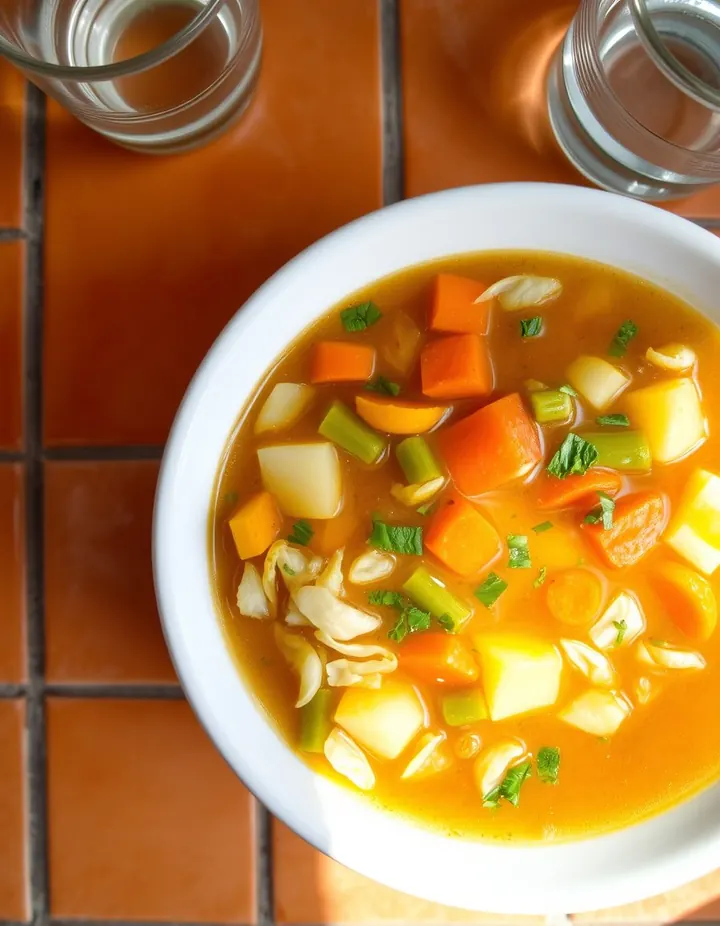 Vegetable Soup350 recipes
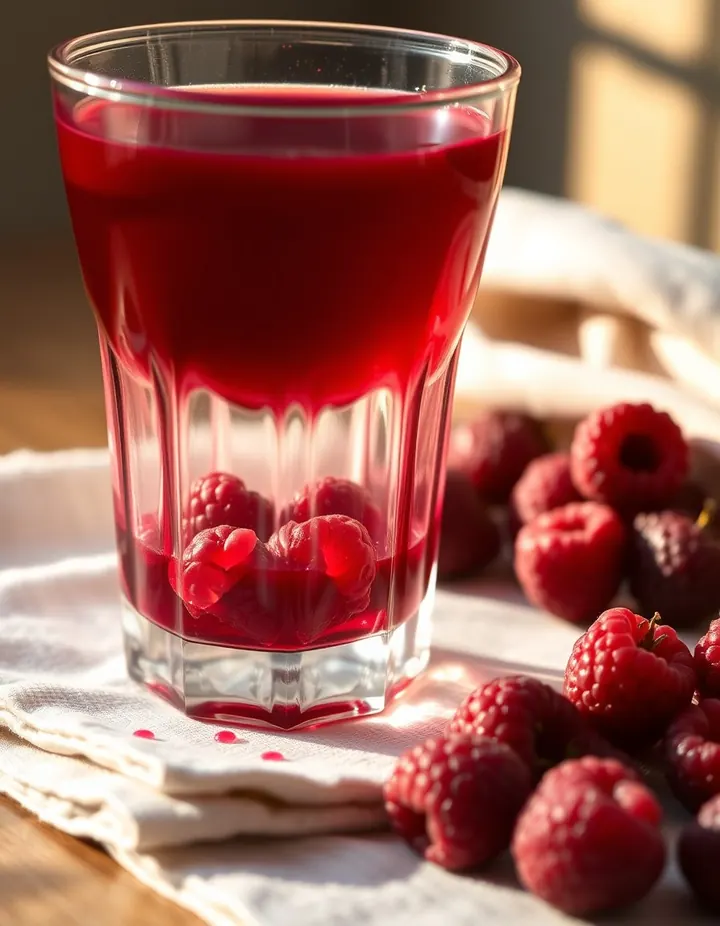 Raspberry Vinegar214 recipes
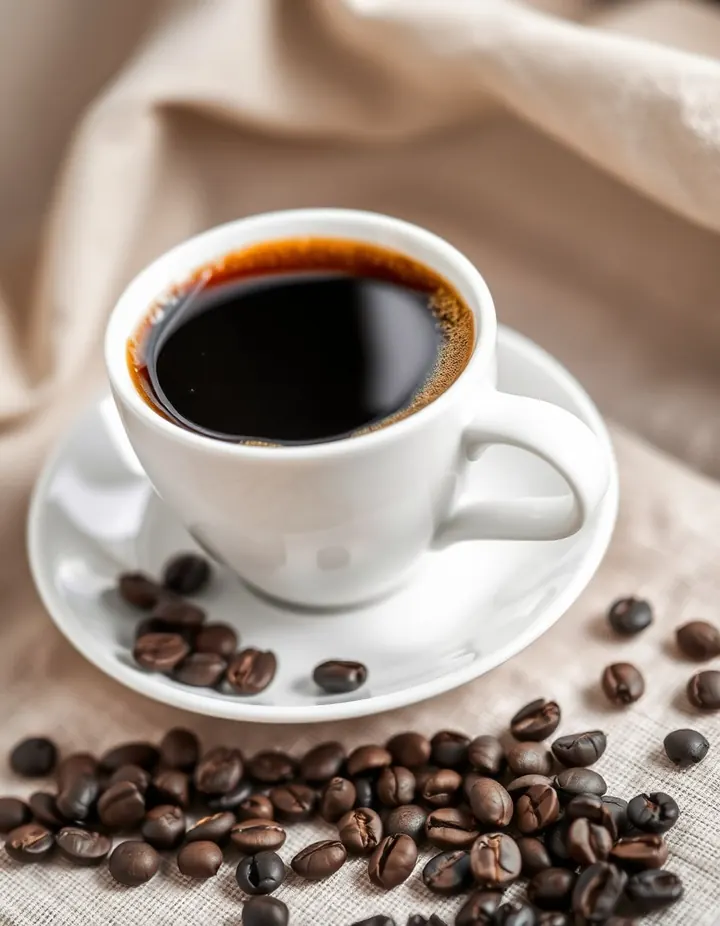 Brown Coffee with Egg175 recipes
 Blackberry Cordial129 recipes
The free Flavor Lab newsletter: one surprising pairing a week and the molecular reason it works, in 60 seconds. No spam, unsubscribe anytime.
Prefer an account? Create a free account to save pairings and unlock the full chemistry.