Why it works: Bread and butter are a kitchen classic. They rank in the top 7% of all ingredient pairs, and cooks put them together in 27,232 recipes. Both carry delta-decalactone, which smells sweet, creamy. The science ↓
To Fillet Anchovies
Ingredients
Directions
Prepare the anchovies
Drain the anchovies well from the pickle.
Remove the heads and fins, and lay them separately on a plate.
Scrape off the skin entirely.
Place the anchovies on a clean dish.
With a sharp knife, raise the flesh on either side of the backbone from the tail to the shoulders, keeping it nearly flat.
Divide each fillet in two.
Serve
Serve the fillets as directed for toasts or use them in sandwiches with slices of bread and butter.
Transcribed from a scanned cookbook and modernised for today's kitchens. Where the book gave no heat or time, or said "a moderate oven", the temperatures and times here may be modern equivalents rather than the book's own figures.
Explore the science
The flavor team
The pairs that carry this dish. Each one is judged two ways: how much their aromas overlap, and how often cooks already put them together.
-
Bread + buttertop 7% of all pairsSmell alikemoderateCooked together27,232 recipes
Shared aroma: delta-decalactone (sweet, creamy).
Ranks compare each pair with 20,000 random ingredient pairs on CompKitchen. How we score pairs
What each ingredient does
- Anchovies
- Provide the main savoury, salty flavour and the fillets themselves, which form the dish.
- Slices of bread
- Give a crisp or soft base that carries the fillets in toasts or sandwiches.
- Butter
- Adds richness and fat, helping the bread taste savoury and feel smooth.
The step that matters
Raising the fillets from the backbone. Cutting too deep or tearing the flesh breaks the delicate fillet into pieces. Keeping the knife close to the bone and the fillet nearly flat keeps the pieces intact and neat for serving.
“What each ingredient does” and “The step that matters” were written by Claude from this recipe’s own method and reviewed in samples by CompKitchen.
You might also like
 Brown Bread461 recipes
 White Bread80 recipes
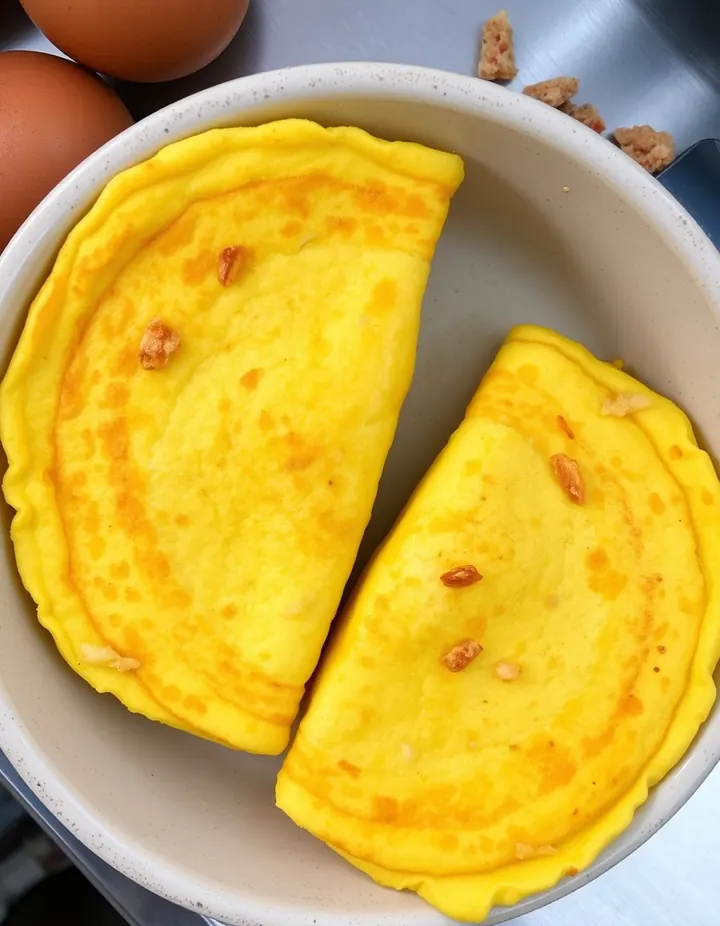 Bread Omelette60 recipes
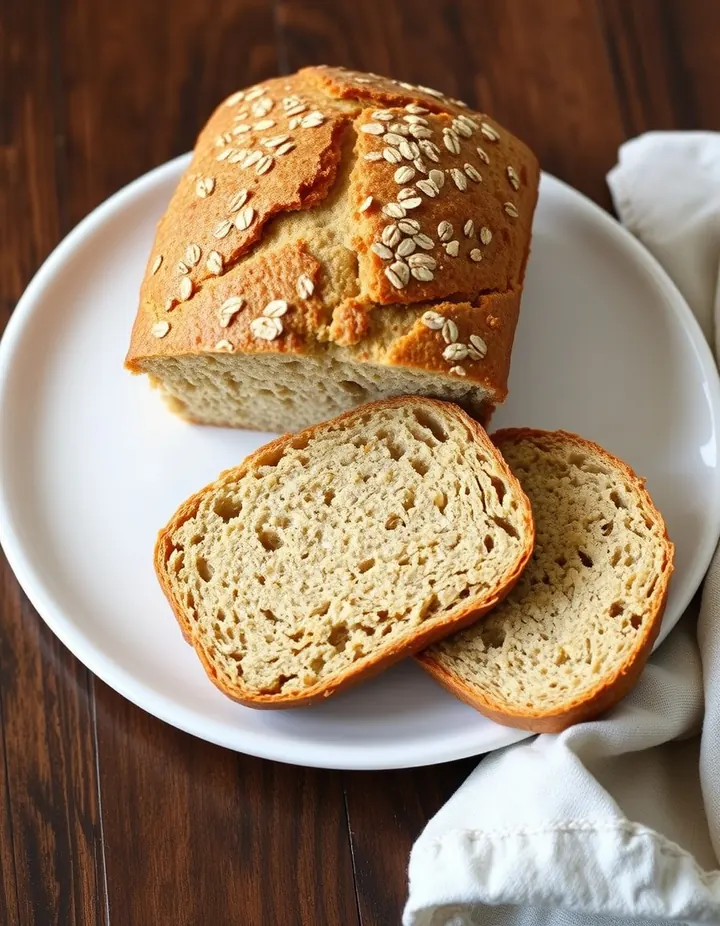 Oatmeal Bread51 recipes
The free Flavor Lab newsletter: one surprising pairing a week and the molecular reason it works, in 60 seconds. No spam, unsubscribe anytime.
Prefer an account? Create a free account to save pairings and unlock the full chemistry.