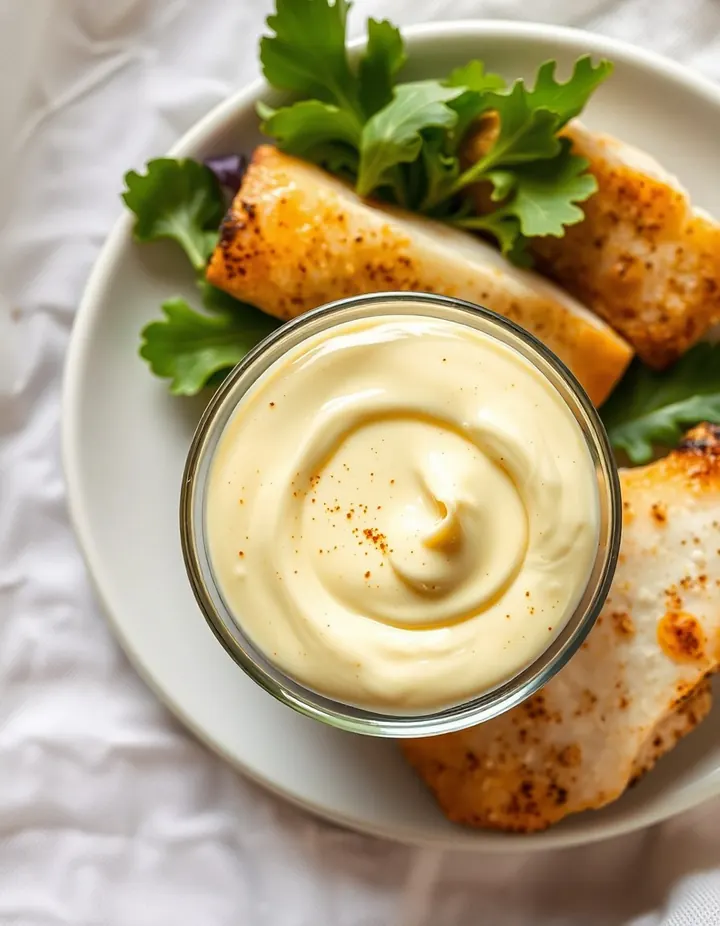
Why it works: Anchovy and turbot match in chemistry and in kitchens. They rank in the top 4% of all ingredient pairs, and cooks put them together in 110 recipes. Both carry 1-octen-3-ol, which smells mushroom, earthy. The science ↓
French Mayonnaise
Ingredients
Directions
Prepare a thick mayonnaise sauce by mixing cayenne pepper, essence of anchovies or anchovy butter, and lobster-coral to taste.
Slice the cold lobster and turbot or soles obliquely to increase their size.
Arrange the fish slices alternately on a serving dish, forming a high border or chain.
Fill the center with young fresh salad and dress it with the mayonnaise just before serving.
Transcribed from a scanned cookbook and modernised for today's kitchens. Where the book gave no heat or time, or said "a moderate oven", the temperatures and times here may be modern equivalents rather than the book's own figures.
Photo for illustrative purposes only · Contact us to use it
Explore the science
The flavor team
The pairs that carry this dish. Each one is judged two ways: how much their aromas overlap, and how often cooks already put them together.
-
Anchovy + turbottop 4% of all pairsSmell alikestrongCooked together110 recipes
Shared aroma: 1-octen-3-ol (mushroom, earthy).
-
Anchovy + lobstertop 4% of all pairsSmell alikemoderateCooked together470 recipes
Shared aroma: octanal (fat, soap).
-
Lobster + turbottop 5% of all pairsSmell alikemoderateCooked together163 recipes
Shared aroma: octanal (fat, soap).
-
Pepper + anchovytop 17% of all pairsSmell alikelowCooked together3,232 recipes
Shared aroma: eucalyptol (eucalyptus, herbal).
-
Pepper + lobstertop 27% of all pairsSmell alikelowCooked together2,247 recipes
Shared aroma: octanal (fat, soap).
Ranks compare each pair with 20,000 random ingredient pairs on CompKitchen. How we score pairs
You might also like
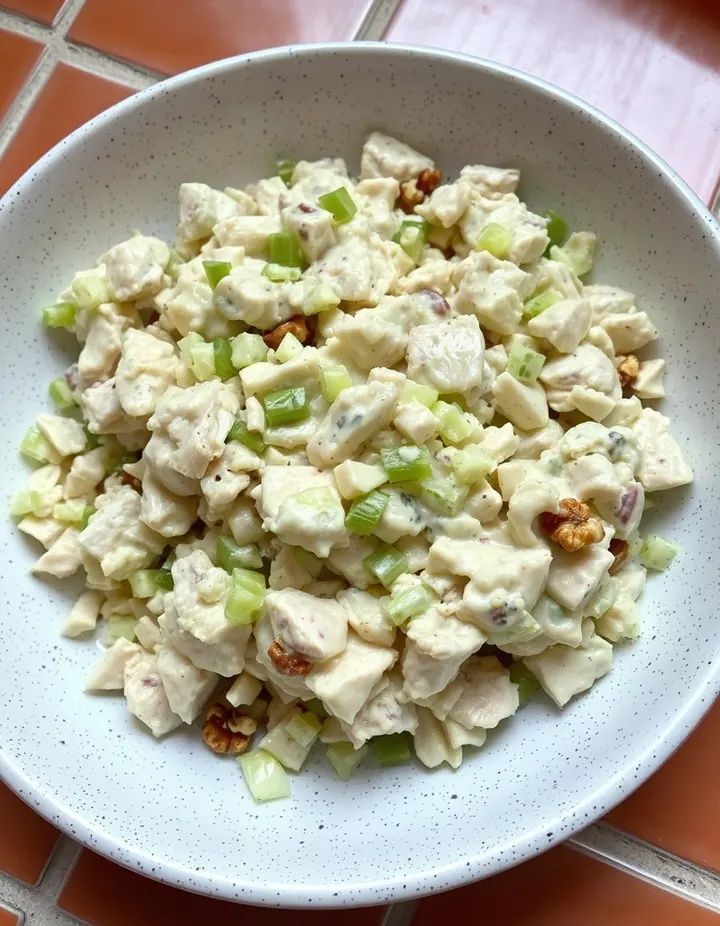 Chicken Salad623 recipes
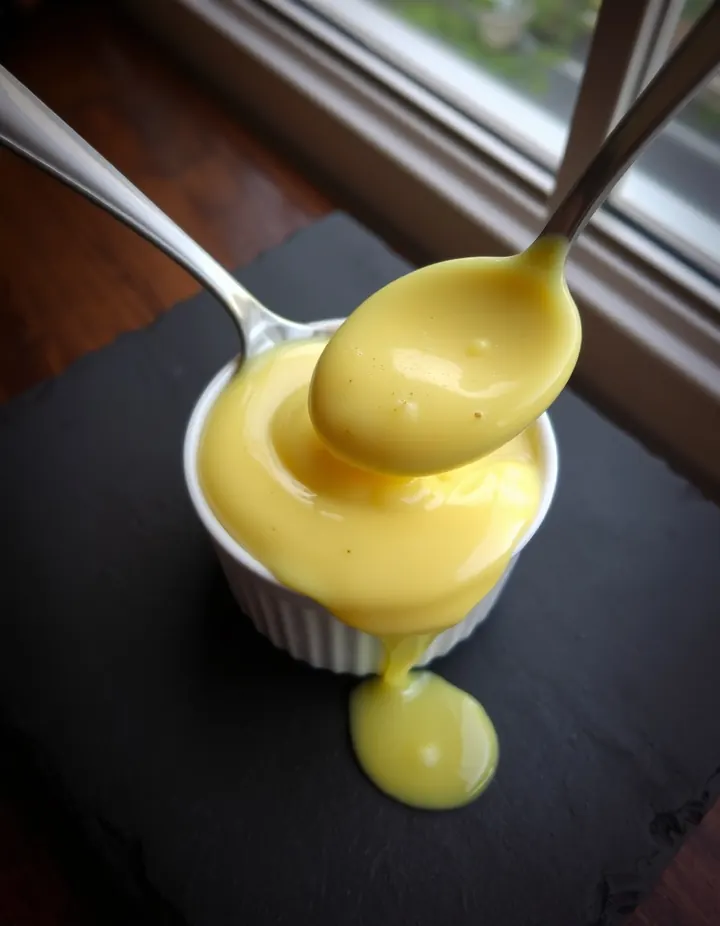 Salad Dressing491 recipes
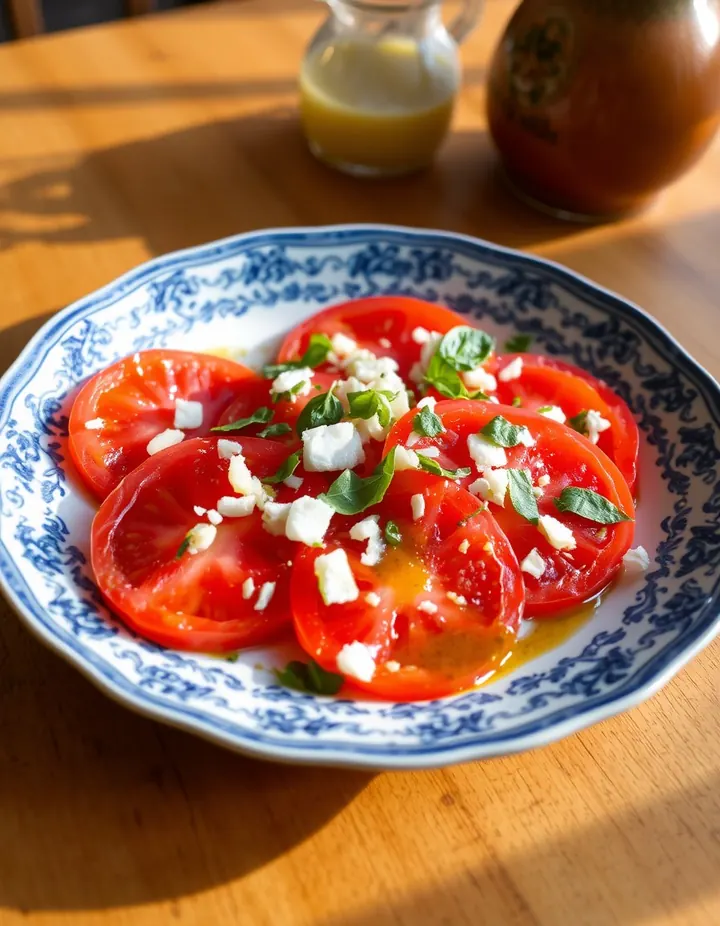 Tomato Salad179 recipes
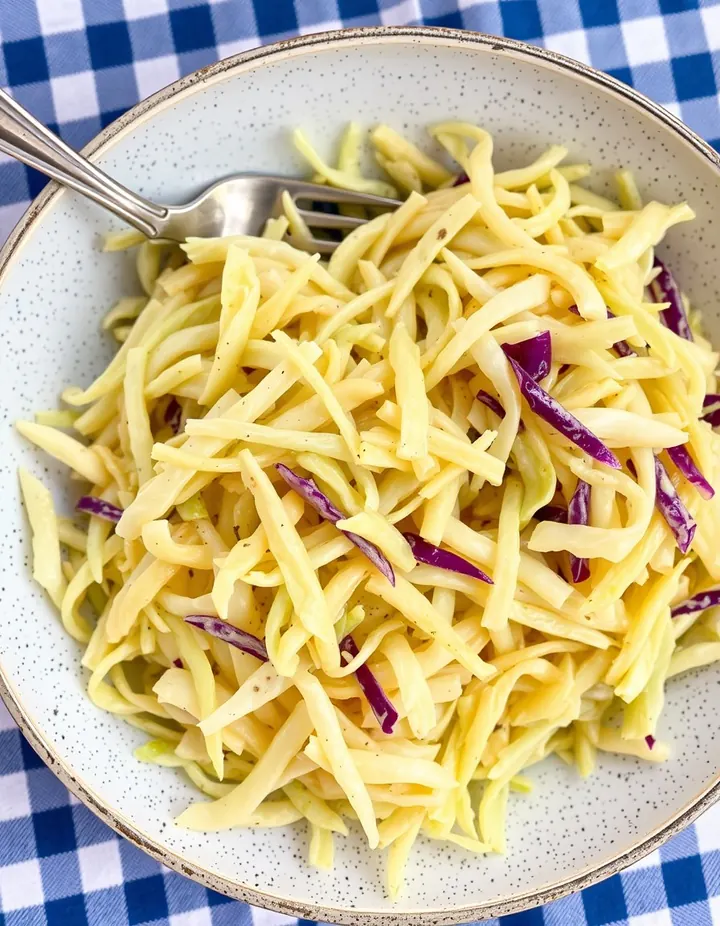 Cold Slaw160 recipes
The free Flavor Lab newsletter: one surprising pairing a week and the molecular reason it works, in 60 seconds. No spam, unsubscribe anytime.
Prefer an account? Create a free account to save pairings and unlock the full chemistry.