Why it works: Tarragon and vinegar are a kitchen classic. They rank in the top 7% of all ingredient pairs, and cooks put them together in 2,547 recipes. Both carry isobutyraldehyde, which smells malty, green. The science ↓
Tarragon Amnegar
Ingredients
Directions
Infuse
Gather tarragon just before it flowers and strip the leaves.
In a stone jar, combine the tarragon leaves with the white wine vinegar.
Cover and let it infuse for two weeks.
Strain the mixture through a flannel bag.
Clarify and bottle
For every four gallons, add ½ ounce of dissolved isinglass.
Transfer to a cask or stone bottle and let it stand for one to two months to clarify.
Bottle in pint or half‑pint bottles.
Transcribed from a scanned cookbook and modernised for today's kitchens. Where the book gave no heat or time, or said "a moderate oven", the temperatures and times here may be modern equivalents rather than the book's own figures.
Explore the science
The flavor team
The pairs that carry this dish. Each one is judged two ways: how much their aromas overlap, and how often cooks already put them together.
-
Tarragon + vinegartop 7% of all pairsSmell alikemoderateCooked together2,547 recipes
Shared aroma: isobutyraldehyde (malty, green).
-
Tarragon + white winetop 10% of all pairsSmell alikemoderateCooked together409 recipes
Shared aroma: ethyl cinnamate (sweet, balsamic).
-
White wine + vinegartop 11% of all pairsSmell alikemoderateCooked together1,776 recipes
Shared aroma: beta-damascenone (apple, rose).
Ranks compare each pair with 20,000 random ingredient pairs on CompKitchen. How we score pairs
What each ingredient does
- Tarragon leaves
- Provide the main aroma and flavour that the vinegar takes on during infusion.
- White wine vinegar
- Acts as the solvent that extracts flavour from the tarragon leaves and gives the sharp acidic base.
- Isinglass
- Fining agent that gathers suspended particles so they settle, leaving the vinegar clear.
The step that matters
Straining through the flannel bag before adding isinglass. Leftover leaf fragments and particles must be removed first, because the isinglass can only clear what remains suspended in the liquid; skipping or rushing the strain leaves cloudiness and sediment in the bottle.
“What each ingredient does” and “The step that matters” were written by Claude from this recipe’s own method and reviewed in samples by CompKitchen.
You might also like
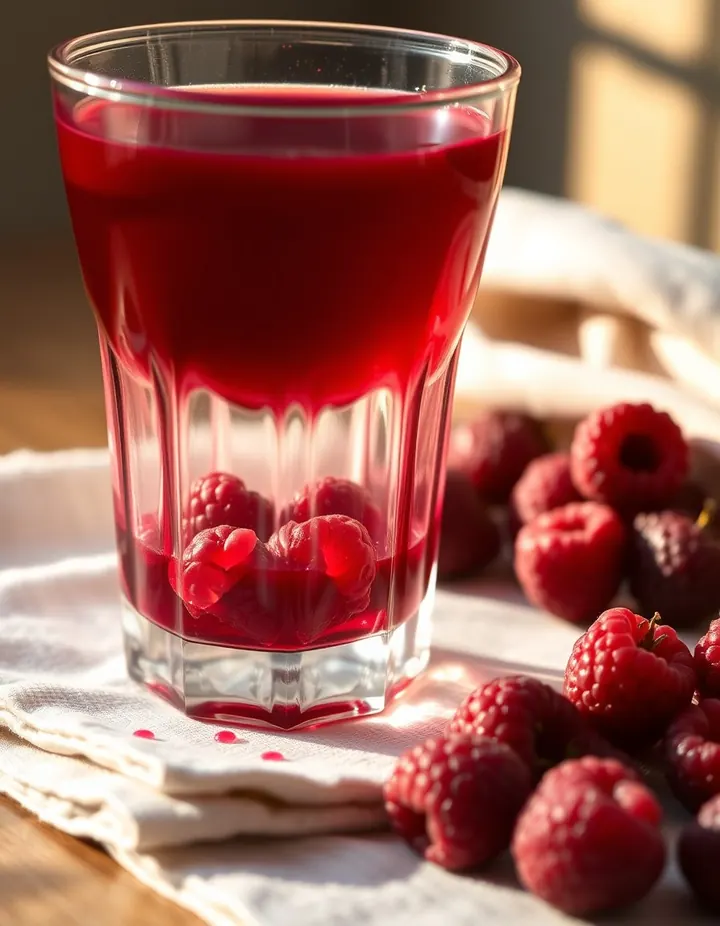 Raspberry Vinegar214 recipes
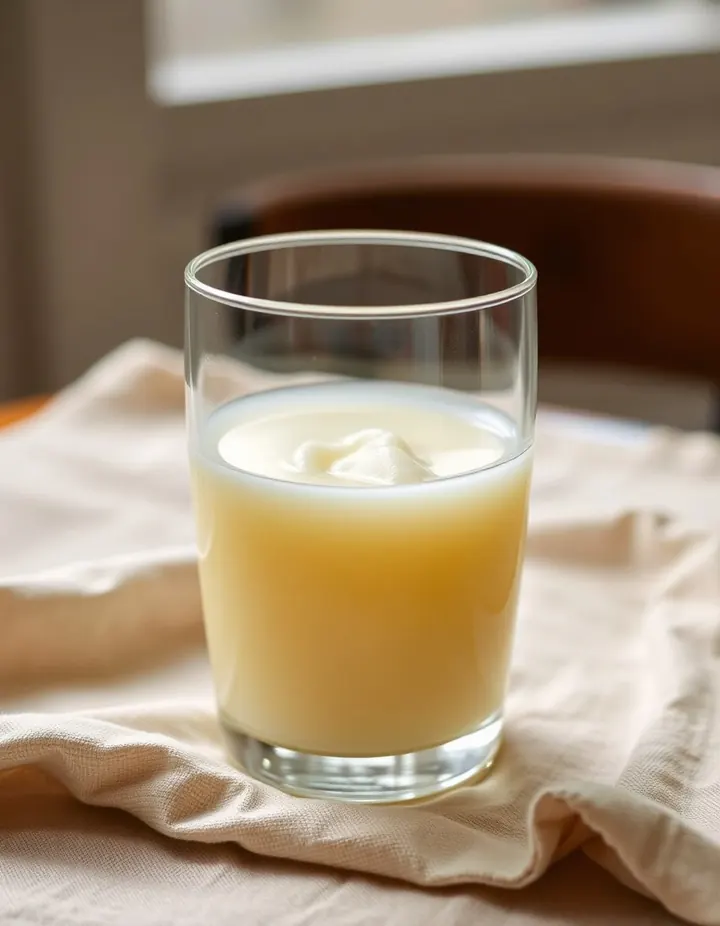 Wine Whey111 recipes
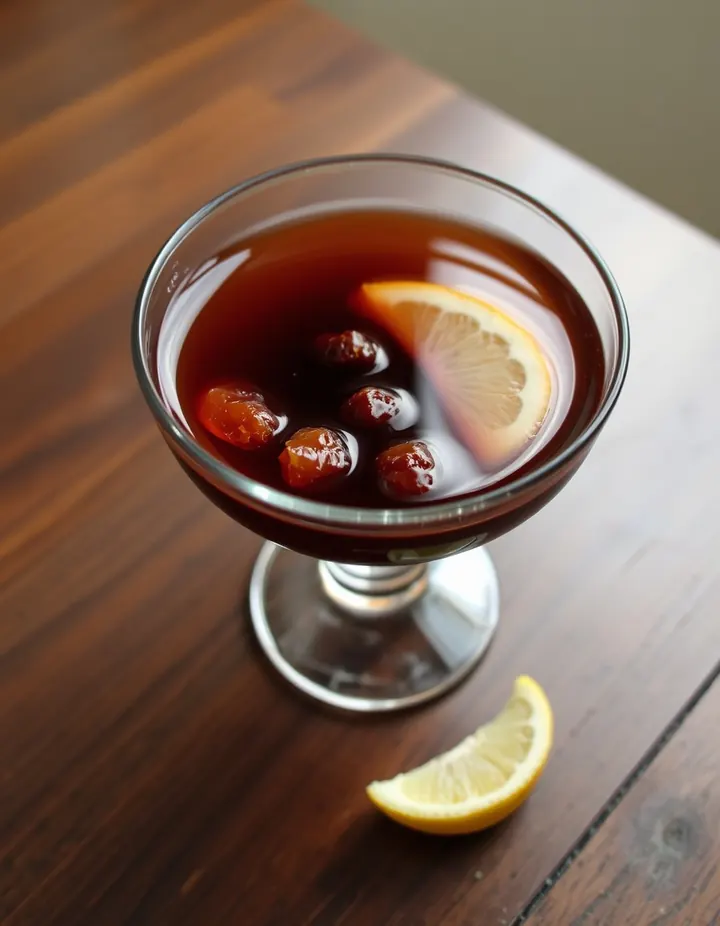 Raisin Wine64 recipes
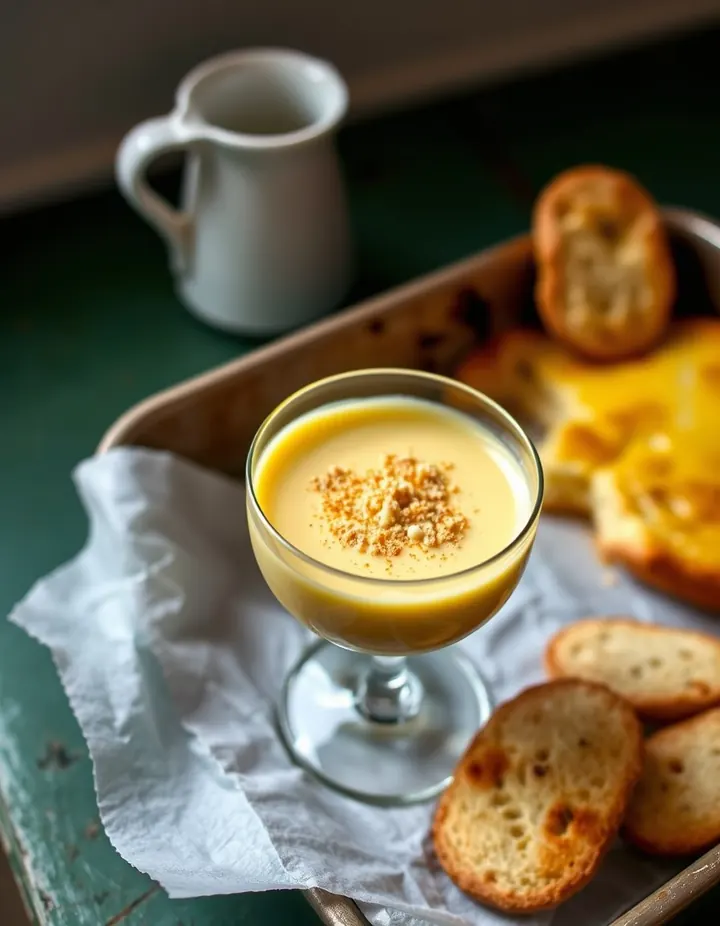 Egg Wine58 recipes
The free Flavor Lab newsletter: one surprising pairing a week and the molecular reason it works, in 60 seconds. No spam, unsubscribe anytime.
Prefer an account? Create a free account to save pairings and unlock the full chemistry.