Bread and Yeast
Ingredients
Directions
The book gives no oven temperature. The 100°F in the steps was added when the recipe was transcribed, as a starting point.
Make the dough
Knead the dough until smooth.
Place the dough in a warm area (90-100°F) to rise for an hour.
If using Graham flour, reduce yeast to ¼ cup.
Bake
After rising, bake the bread until golden brown.
Clean up while the bread is baking.
Transcribed from a scanned cookbook and modernised for today's kitchens. Where the book gave no heat or time, or said "a moderate oven", the temperatures and times here may be modern equivalents rather than the book's own figures.
Explore the science
What each ingredient does
- Yeast
- Produces gas that makes the dough rise and gives the bread its light texture.
The step that matters
Letting the dough rise in a warm area. Yeast works fastest in warmth, so a dough kept too cool will rise slowly or not enough, leaving a dense loaf. Too much heat can kill the yeast, so the temperature needs to stay in the stated range.
“What each ingredient does” and “The step that matters” were written by Claude from this recipe’s own method and reviewed in samples by CompKitchen.
More yeast bread recipes
You might also like
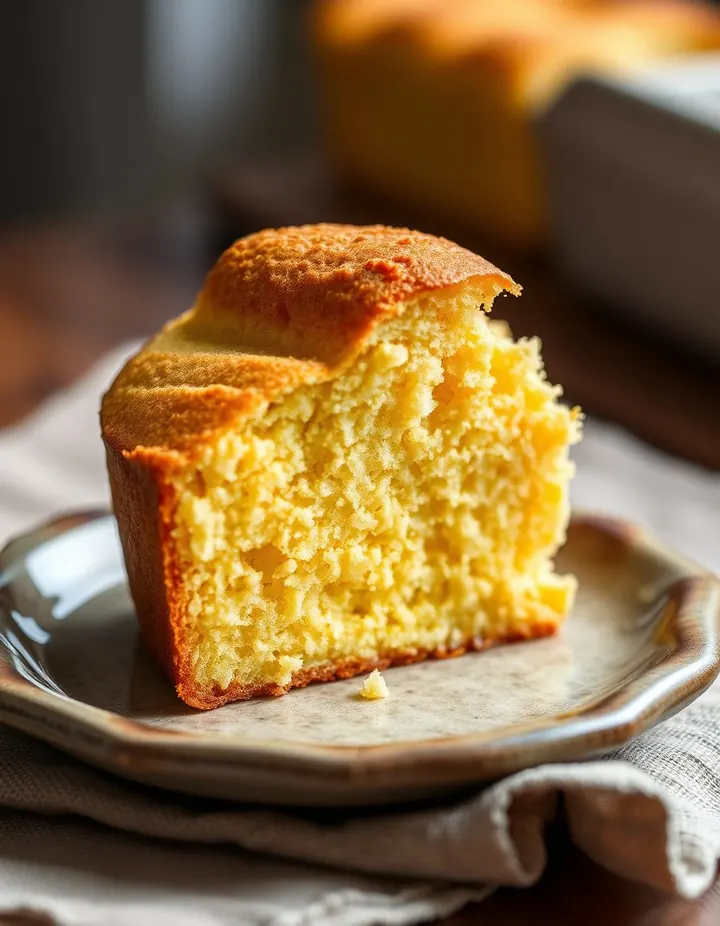 Cornbread345 recipes
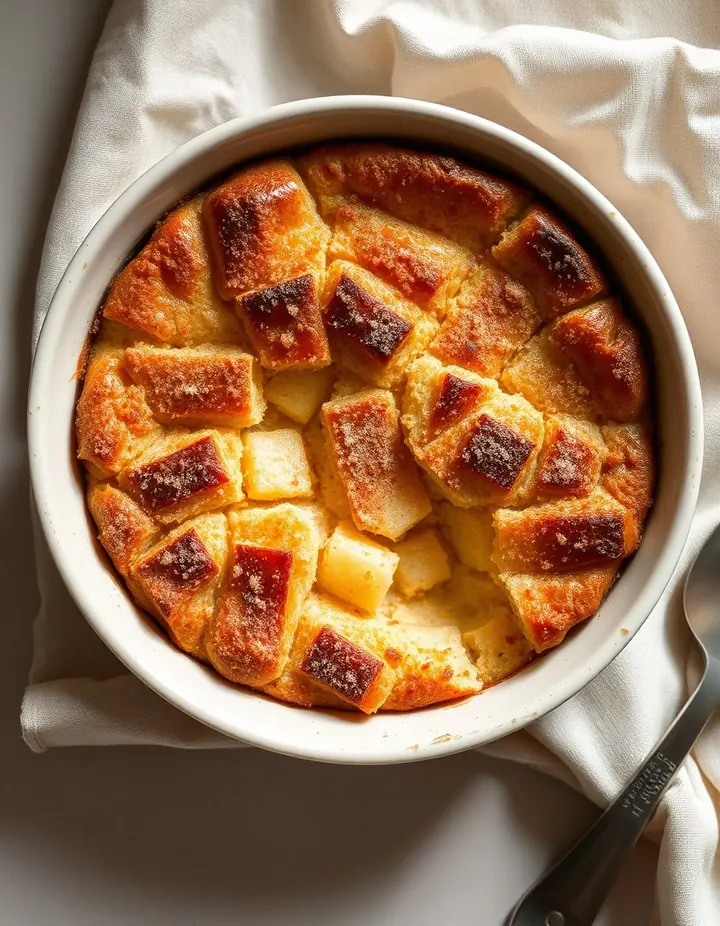 Bread Pudding336 recipes
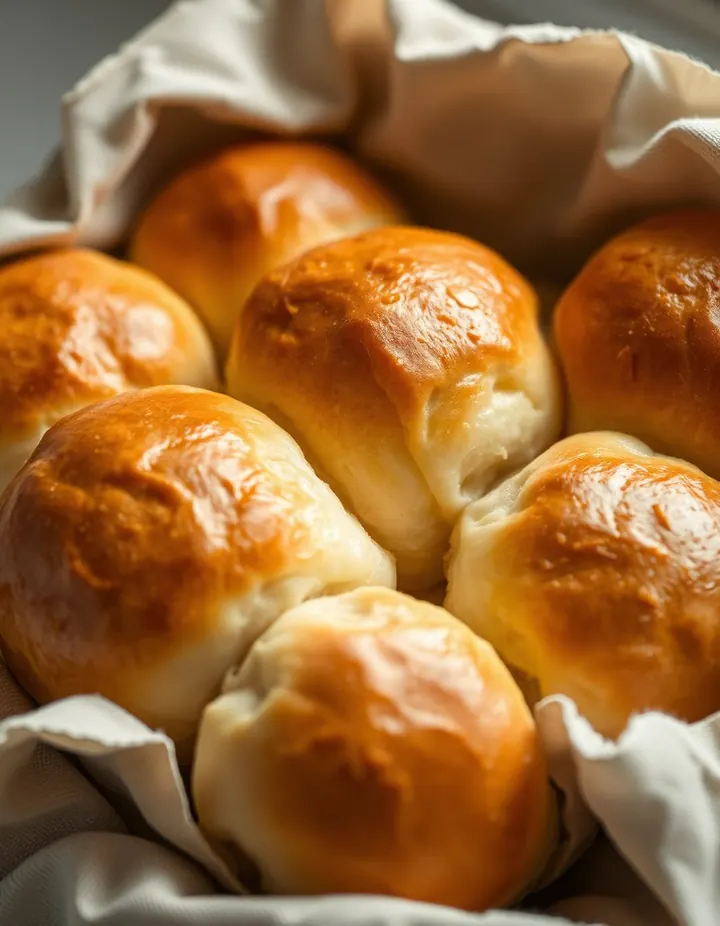 Milk Bread Rolls242 recipes
 Potato Bread124 recipes
The free Flavor Lab newsletter: one surprising pairing a week and the molecular reason it works, in 60 seconds. No spam, unsubscribe anytime.
Prefer an account? Create a free account to save pairings and unlock the full chemistry.