Why it works: Venison and butter work together. They rank in the top 16% of all ingredient pairs, and cooks put them together in 957 recipes. Both carry trans-2-nonenal, which smells cardboard, fatty. The science ↓
Collared Venison
Ingredients
Directions
The book gives no oven temperature. The 400°F (200°C) in the steps was added when the recipe was transcribed, as a starting point.
Prepare the venison
Remove the bone, sinew, and skin from the venison.
Lard the venison with fine bacon fat and season it.
Roll it tightly and tie it with collaring tape.
Bake
Place it in a large deep pan with bruised bay leaves and fresh butter.
Cover the pan with a coarse paste and bake at 400°F (200°C) for five hours.
Preserve and serve
Drain the venison and place it in a large preserving pot or wide-mouthed jar.
Cover it with fresh clarified butter and keep it tightly sealed.
To serve, turn it out of the pot and decorate with branches of bay leaves or holly.
Transcribed from a scanned cookbook and modernised for today's kitchens. Where the book gave no heat or time, or said "a moderate oven", the temperatures and times here may be modern equivalents rather than the book's own figures.
Explore the science
The flavor team
The pairs that carry this dish. Each one is judged two ways: how much their aromas overlap, and how often cooks already put them together.
-
Venison + buttertop 16% of all pairsSmell alikemoderateCooked together957 recipes
Shared aroma: trans-2-nonenal (cardboard, fatty).
Ranks compare each pair with 20,000 random ingredient pairs on CompKitchen. How we score pairs
What each ingredient does
- Venison
- Provides the lean meat that is cooked slowly and then preserved under fat.
- Fine bacon fat
- Larding adds fat and moisture to the lean venison during cooking.
- Fresh butter
- Fat that bastes the meat in the pan, adding richness and moisture.
- Clarified butter
- Seals the cooked meat from air, helping it keep as a preserve.
The step that matters
Baking the sealed venison for five hours. Long, low-moisture-loss cooking under a coarse paste breaks down connective tissue in the tough venison. If the paste cracks or the oven runs too hot, the meat can dry out and toughen before it becomes tender.
“What each ingredient does” and “The step that matters” were written by Claude from this recipe’s own method and reviewed in samples by CompKitchen.
You might also like
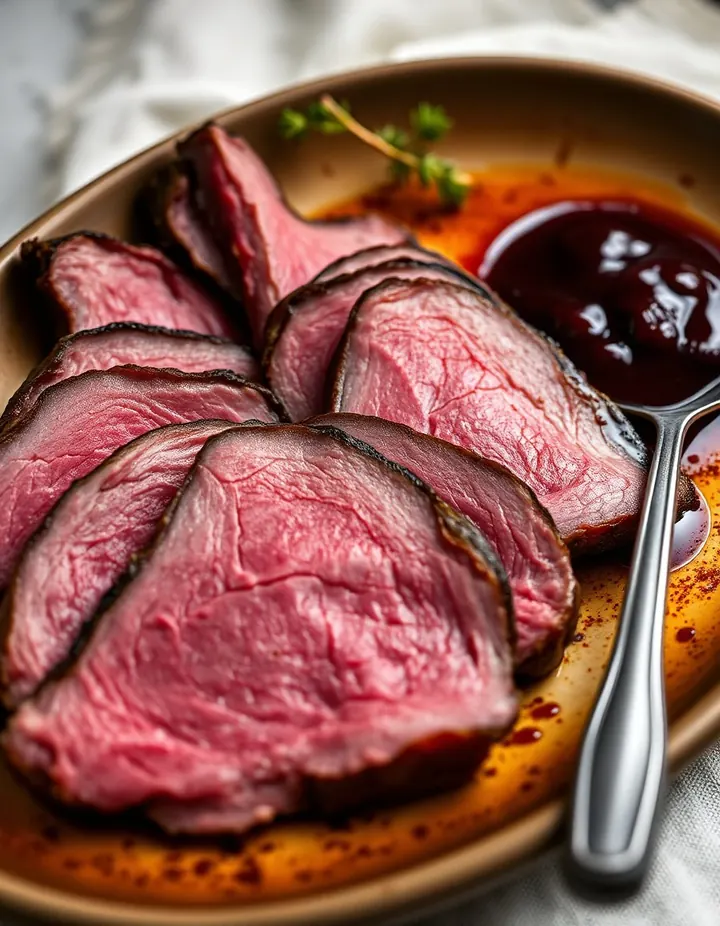 Roast Venison20 recipes
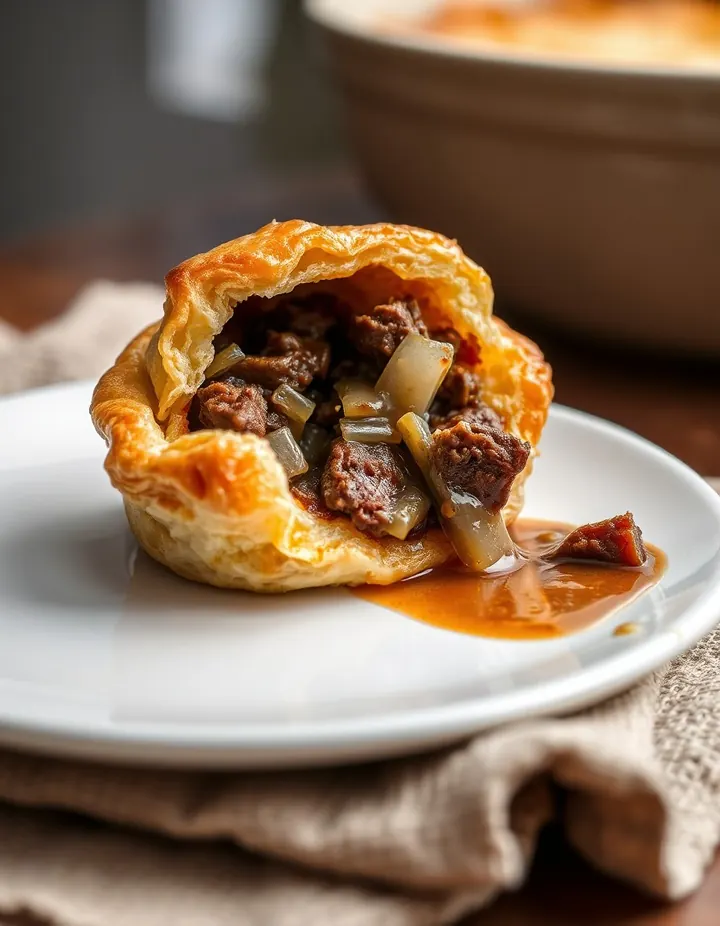 Venison Pasty7 recipes
 Tomato Soup526 recipes
 Brown Bread461 recipes
The free Flavor Lab newsletter: one surprising pairing a week and the molecular reason it works, in 60 seconds. No spam, unsubscribe anytime.
Prefer an account? Create a free account to save pairings and unlock the full chemistry.