Why it works: Thyme and parsley match in chemistry and in kitchens. They rank in the top 1% of all ingredient pairs, and cooks put them together in 9,057 recipes. Both carry cuminaldehyde, which smells Spicy, cumin. The science ↓
Roast Fowl with Stuffing
Ingredients
Directions
The book says “a sharp oven”. The 400°F (200°C) in the steps is the modern equivalent, not the book's own figure.
Prepare the bird
Singe the fowl.
Remove the crop.
Loosen the inside at the neck.
Cut open at the vent.
Draw out the gizzard.
Wash the inside thoroughly.
Mix the soaked bread (squeezed dry), suet, parsley, thyme, salt, and pepper.
Stuff the fowl.
Truss the fowl as directed for roast turkey.
Cover the breast with a slice of fat bacon.
Roast
Place the fowl in a baking tin.
Roast at 400°F (200°C) for 45 minutes.
Remove the skewers.
Place the fowl on a hot dish.
Serve with gravy.
Make the sauce and fry the pieces
Cut the fowl into neat joints.
Set the joints aside.
Melt the butter in a pan. Stir in the flour until brown.
Add water, herbs, chopped onion, pepper, and salt to taste. Simmer gently.
Heat a pan half full of hot dripping. Add the fowl pieces and fry until golden brown.
Drain on clean paper.
Serve
Pile the fowl pieces on a hot dish.
Pour over the sauce.
Garnish with fried bread and parsley.
Transcribed from a scanned cookbook and modernised for today's kitchens. Where the book gave no heat or time, or said "a moderate oven", the temperatures and times here may be modern equivalents rather than the book's own figures.
Explore the science
The flavor team
The pairs that carry this dish. Each one is judged two ways: how much their aromas overlap, and how often cooks already put them together.
-
Thyme + parsleytop 1% of all pairsSmell alikestrongCooked together9,057 recipes
Shared aroma: cuminaldehyde (Spicy, cumin).
-
Pepper + parsleytop 2% of all pairsSmell alikestrongCooked together34,122 recipes
Shared aroma: 4'-methylacetophenone (bitter almond).
-
Thyme + peppertop 4% of all pairsSmell alikemoderateCooked together11,585 recipes
Shared aroma: beta-phellandrene (minty, terpene).
-
Thyme + oniontop 7% of all pairsSmell alikemoderateCooked together11,171 recipes
Shared aroma: coumarin (sweet, hay).
-
Bread + buttertop 7% of all pairsSmell alikemoderateCooked together27,232 recipes
Shared aroma: delta-decalactone (sweet, creamy).
Ranks compare each pair with 20,000 random ingredient pairs on CompKitchen. How we score pairs
What each ingredient does
- Fowl
- Provides the main meat, which the stuffing and bacon keep moist as it roasts.
- Soaked bread
- Absorbs juices and adds soft body to the stuffing.
- Suet
- Adds fat that keeps the stuffing and meat moist and rich in flavour.
- Butter
- Forms the roux with flour, thickening the sauce and adding richness.
- Flour
- Thickens the sauce with butter and browns it for colour and nutty flavour.
- Onion
- Adds savoury aroma and sweetness to the simmered sauce.
The step that matters
Fry the joints in hot dripping until golden brown. The dripping must be hot enough to brown the surface quickly; if it is too cool, the pieces absorb fat and turn greasy rather than crisp and golden.
Swap the onion
How well each one fits the dish's main ingredients (bread, thyme, pepper, parsley, butter, flour):
- Shallotfits better
- Leekfits better
- Carrotfits better
- Onionthe original
Fit is the average pairing score against bread, thyme, pepper, parsley, butter, flour. Candidates are from the same food group and used in at least 100 recipes.
“What each ingredient does” and “The step that matters” were written by Claude from this recipe’s own method and reviewed in samples by CompKitchen.
You might also like
 Brown Bread461 recipes
 White Bread80 recipes
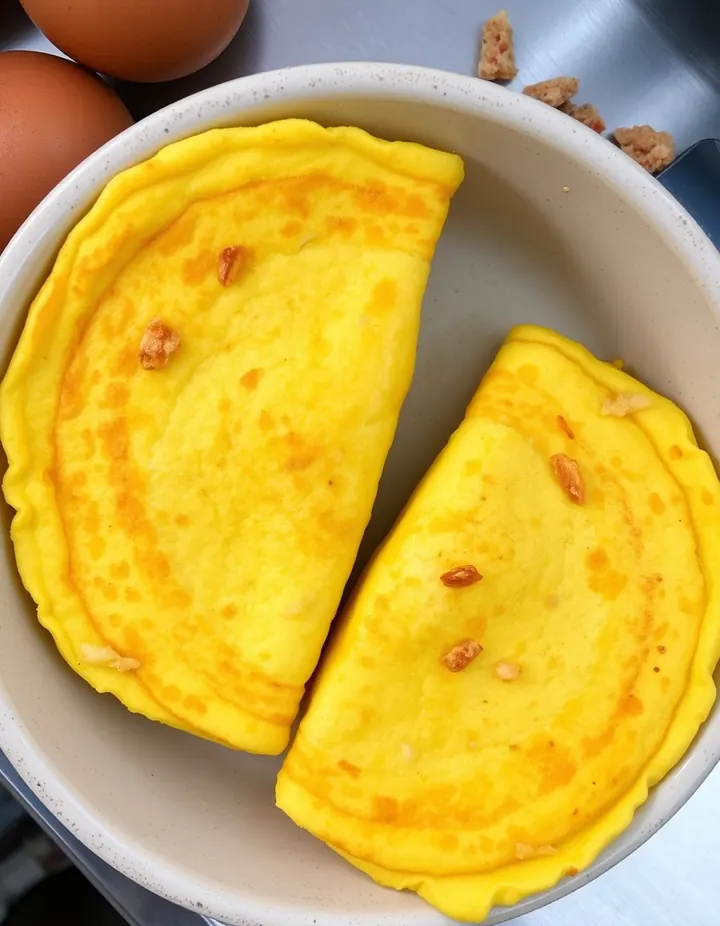 Bread Omelette60 recipes
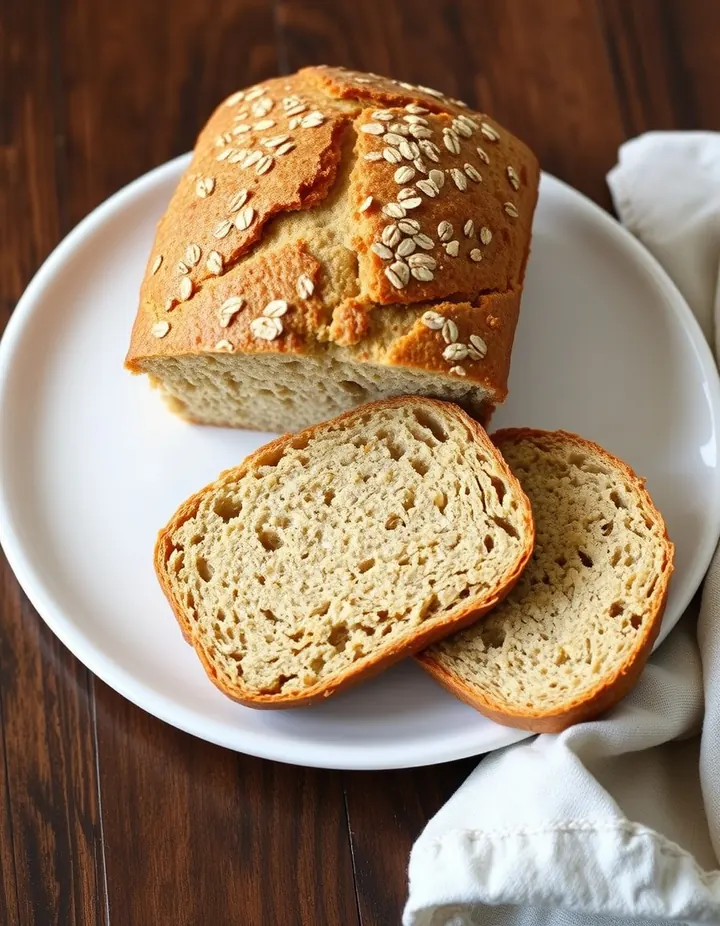 Oatmeal Bread51 recipes
The free Flavor Lab newsletter: one surprising pairing a week and the molecular reason it works, in 60 seconds. No spam, unsubscribe anytime.
Prefer an account? Create a free account to save pairings and unlock the full chemistry.