Why it works: Cinnamon and clove match in chemistry and in kitchens. They rank in the top 1% of all ingredient pairs, and 14,189 recipes mention both. Both carry ethyl cinnamate, which smells sweet, balsamic. The science ↓
Zarebeian Mahee Batkhae
Ingredients
Directions
Prepare the fish
Clean and wash the fish well in water three to four times.
Soak the fish in gingly oil for 30 minutes.
Wash the fish again, rub it with chennah flour, and wash it again. Rub the fish with more flour and wash it again.
Bruise some lemon leaves, mix with water, and rub the fish slices with it.
Tie the fish slices in a cloth and boil in water until nearly done.
Remove the fish from the water and take out the bones if necessary.
Fry the cutlets
Mix half the curry paste with saffron and a couple of beaten eggs. Spread the mixture over the fish.
Fry the fish until golden brown.
Layer and steam
In a saucepan, place bamboo sticks and lay the cutlets on them, adding the remaining curry paste.
Parboil the rice in plain water.
Place the rice on top of the cutlets and pour a little ghee over it.
In the center, place a biscuit and some rice colored with saffron, then cover the saucepan tightly.
Put charcoal fire on the cover and cook on low heat until you hear the ghee bubbling.
Remove the fire from the top and let it simmer for 30 minutes.
Transcribed from a scanned cookbook and modernised for today's kitchens. Where the book gave no heat or time, or said "a moderate oven", the temperatures and times here may be modern equivalents rather than the book's own figures.
Explore the science
The flavor team
The pairs that carry this dish. Each one is judged two ways: how much aroma chemistry they share, and how many recipes mention both.
-
Cinnamon + clovetop 1% of all pairsAroma overlapstrongMentioned together14,189 recipes
Shared aroma: ethyl cinnamate (sweet, balsamic).
-
Cinnamon + cardamomtop 1% of all pairsAroma overlapstrongMentioned together1,299 recipes
Shared aroma: beta-phellandrene (minty, terpene).
-
Cardamom + coriandertop 1% of all pairsAroma overlapstrongMentioned together872 recipes
Shared aroma: beta-phellandrene (minty, terpene).
-
Cardamom + clovetop 1% of all pairsAroma overlapstrongMentioned together1,114 recipes
Shared aroma: eucalyptol (eucalyptus, herbal).
-
Cardamom + gingertop 1% of all pairsAroma overlapstrongMentioned together1,114 recipes
Shared aroma: beta-phellandrene (minty, terpene).
Ranks compare each pair with 20,000 random ingredient pairs on CompKitchen. How we score pairs
What each ingredient does
- Fish
- Forms the main body of the dish and carries the spices and coating.
- Rice
- Forms a layer on top of the cutlets that absorbs the ghee and steam as it cooks.
- Eggs (in the method)
- Bind the spiced coating to the fish so it holds together while frying.
- Ghee
- Adds richness and fat, and helps the rice cook with a golden, aromatic finish.
- Chennah flour
- Dries the fish surface and helps the coating adhere before frying.
The step that matters
Fry the fish until golden brown. The fish is already boiled, so frying is mainly for browning and setting the egg coating. Too little heat leaves the coating soft and pale, while too much can scorch the outside before the centre is heated through.
Flavor stand-ins for the coriander
How well each one fits the dish's main ingredients (fish, rice, flour, cinnamon, cardamom, clove, ginger):
- Turmericbetter flavor fit
- Nutmegbetter flavor fit
- Allspicebetter flavor fit
- Corianderthe original
Fit is the average pairing score against fish, rice, flour, cinnamon, cardamom, clove, ginger. Candidates are from the same food group and used in at least 100 recipes. This compares flavor only: it does not check the job the ingredient does in the dish (bulk, moisture, acidity, structure).
“What each ingredient does” and “The step that matters” were written by Claude from this recipe’s own method and reviewed in samples by CompKitchen.
You might also like
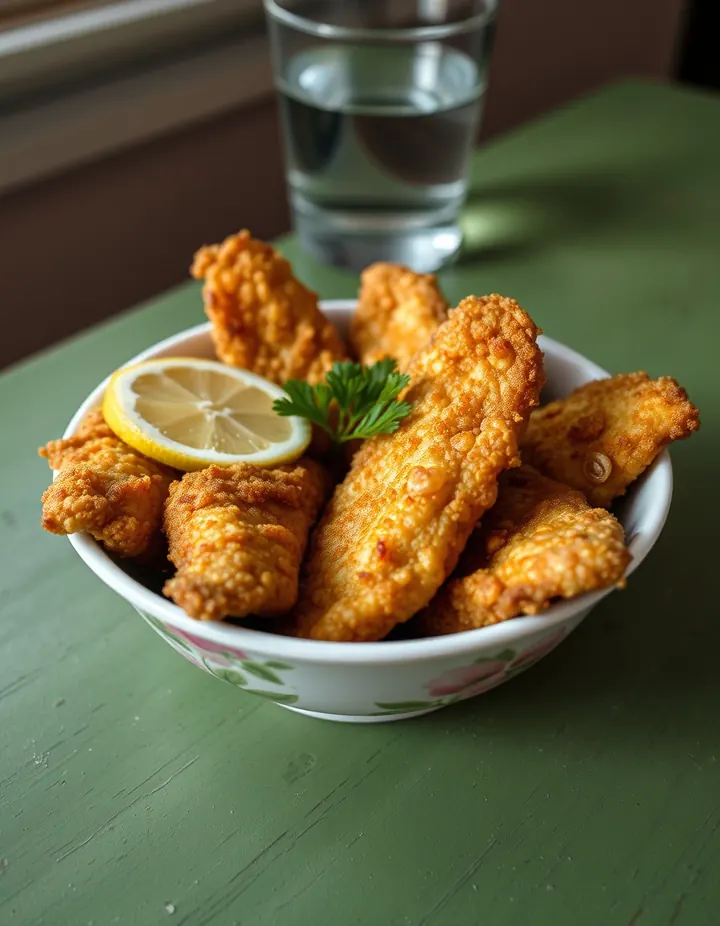 Fried Fish120 recipes
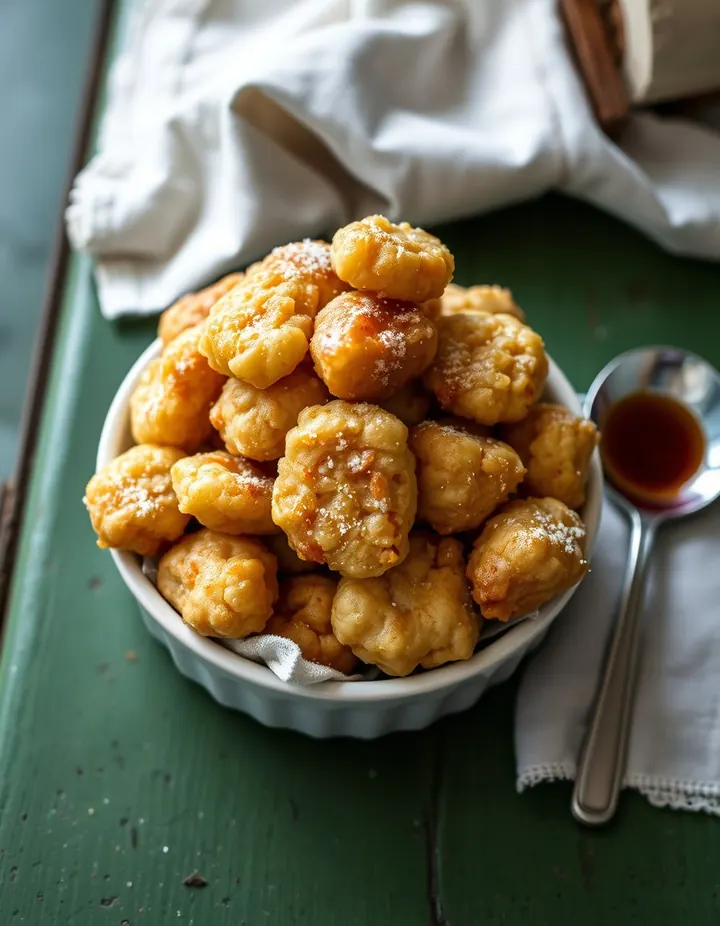 Rice Fritters84 recipes
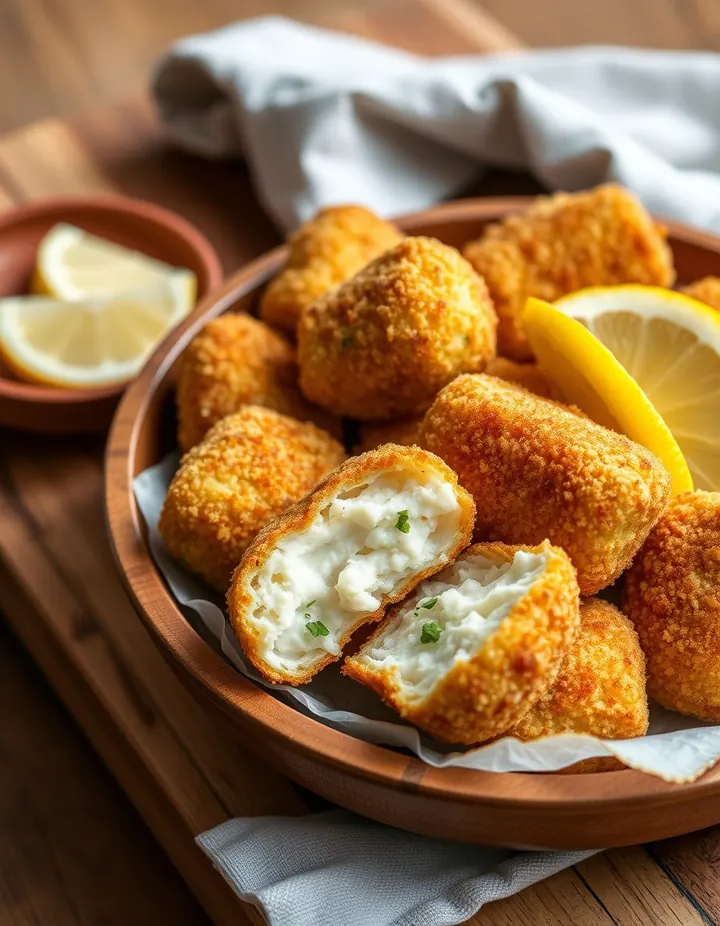 Fish Croquettes81 recipes
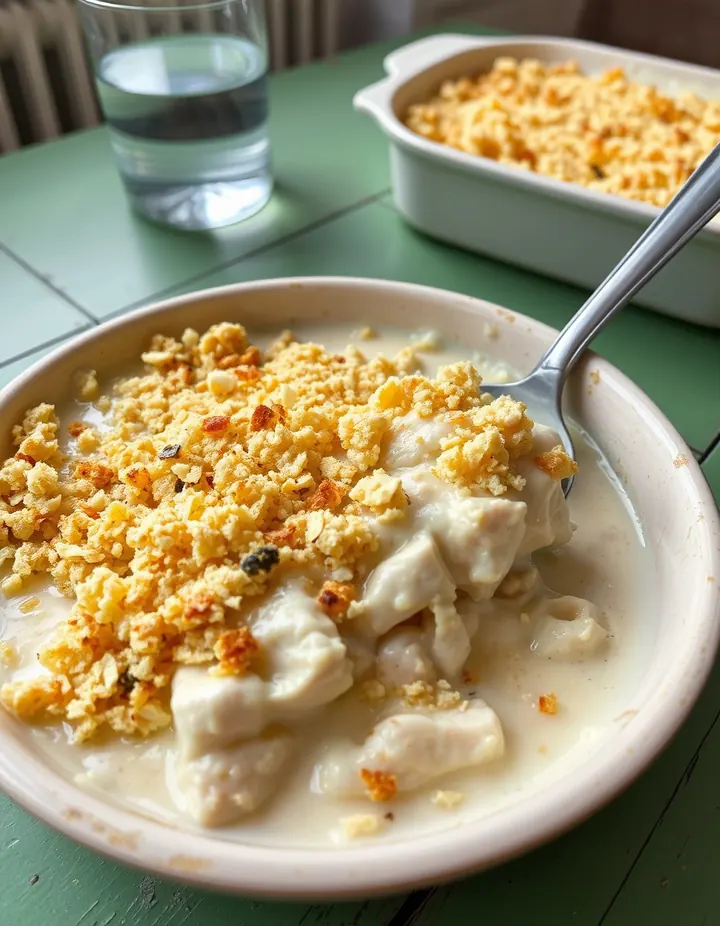 Scalloped Cod69 recipes
The Sunday pairing: one pairing, the chemistry behind it, and how to cook it. No spam, unsubscribe anytime.
Prefer an account? Create a free account for sign-in; Pro adds the full results and chemistry.