Why it works: Parsley and shallot match in chemistry and in kitchens. They rank in the top 1% of all ingredient pairs, and cooks put them together in 3,737 recipes. Both carry 2,4-decadienal, which smells seaweed. The science ↓
Timbale of Rabbits, Poultry, or Game
Ingredients
Directions
The book gives no oven temperature. The 350°F (175°C) in the steps was added when the recipe was transcribed, as a starting point.
Prepare the rabbits
Daub the rabbits with bacon and season with parsley, shallots, mushrooms or truffles, spices, pepper, and salt.
In a stewpan, melt butter and cook the rabbits until browned. Add white wine and stock, then let simmer until cooked through. Set aside to cool.
Line the mold
Butter a mold and line it with rolled paste, starting from the middle and working outward.
Prepare a piece of thin paste for the bottom, making it an inch larger than the mold.
Wash the paste with egg yolk and press it firmly into the mold.
Arrange small force-balls around the sides of the mold until nearly reaching the top.
Bake and serve
Place the cooked rabbits inside, cover with paste, and seal it well.
Bake for 1.5 hours at 350°F (175°C) until the paste is golden.
When ready to serve, cut open the top and fill with a sauce of reduced espagnole or a ragout.
Transcribed from a scanned cookbook and modernised for today's kitchens. Where the book gave no heat or time, or said "a moderate oven", the temperatures and times here may be modern equivalents rather than the book's own figures.
Explore the science
The flavor team
The pairs that carry this dish. Each one is judged two ways: how much their aromas overlap, and how often cooks already put them together.
-
Parsley + shallottop 1% of all pairsSmell alikestrongCooked together3,737 recipes
Shared aroma: 2,4-decadienal (seaweed).
-
Parsley + peppertop 2% of all pairsSmell alikestrongCooked together34,122 recipes
Shared aroma: 4'-methylacetophenone (bitter almond).
-
Shallot + mushroomtop 4% of all pairsSmell alikemoderateCooked together1,982 recipes
Shared aroma: 2,4-decadienal (seaweed).
-
Mushroom + white winetop 5% of all pairsSmell alikemoderateCooked together1,765 recipes
Shared aroma: ethyl octanoate (fruity).
-
Mushroom + buttertop 7% of all pairsSmell alikemoderateCooked together12,525 recipes
Shared aroma: trans-2-decenal (waxy, orange).
Ranks compare each pair with 20,000 random ingredient pairs on CompKitchen. How we score pairs
What each ingredient does
- Rabbits
- Provide the main meat, which becomes tender as it simmers in wine and stock.
- Bacon
- Adds fat and savory flavor that keeps the lean rabbit meat moist.
- Butter
- Browns the rabbit pieces and adds rich flavor at the start.
- White wine
- Adds acidity and aroma while helping to braise the rabbit.
- Espagnole sauce or good stock
- Supplies liquid for simmering and, reduced, forms the sauce served with the pie.
- Egg yolk
- Brushed on the paste to give it a golden, glossy browned surface.
The step that matters
Cooking the rabbits before they go into the crust. The rabbits are cooked fully and cooled before encasing, because the pie bakes only until the paste is golden. Undercooked meat would stay raw inside, and hot meat would soften the paste.
Swap the parsley
How well each one fits the dish's main ingredients (rabbit, shallot, mushroom, pepper, butter, white wine, sauce):
- Thymefits better
- Tarragonfits about as well
- Capersfits about as well
- Parsleythe original
Fit is the average pairing score against rabbit, shallot, mushroom, pepper, butter, white wine, sauce. Candidates are from the same food group and used in at least 100 recipes.
“What each ingredient does” and “The step that matters” were written by Claude from this recipe’s own method and reviewed in samples by CompKitchen.
You might also like
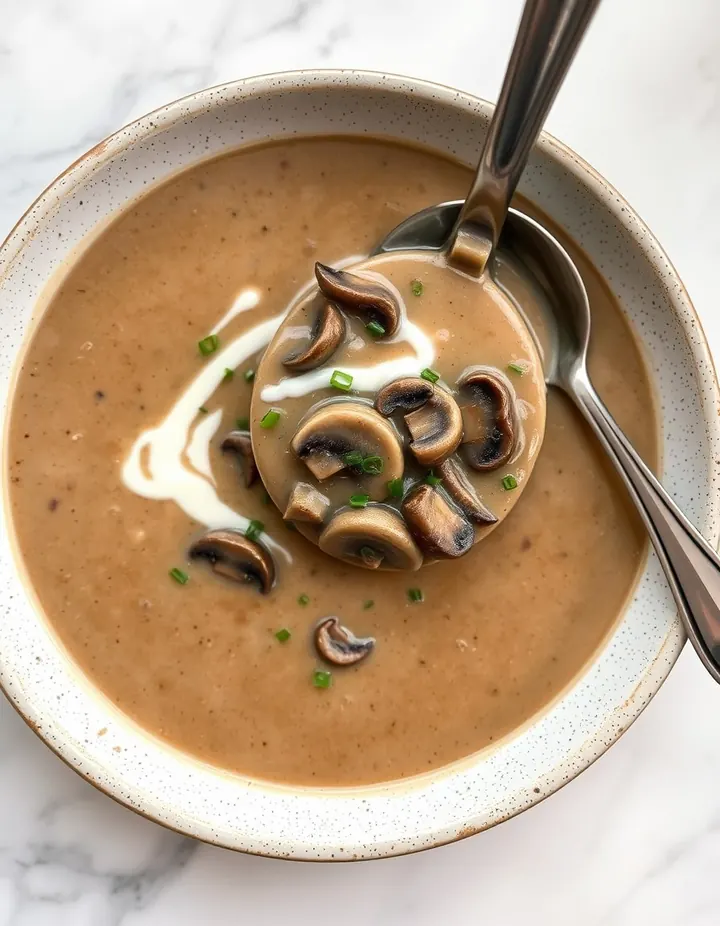 Mushroom Soup60 recipes
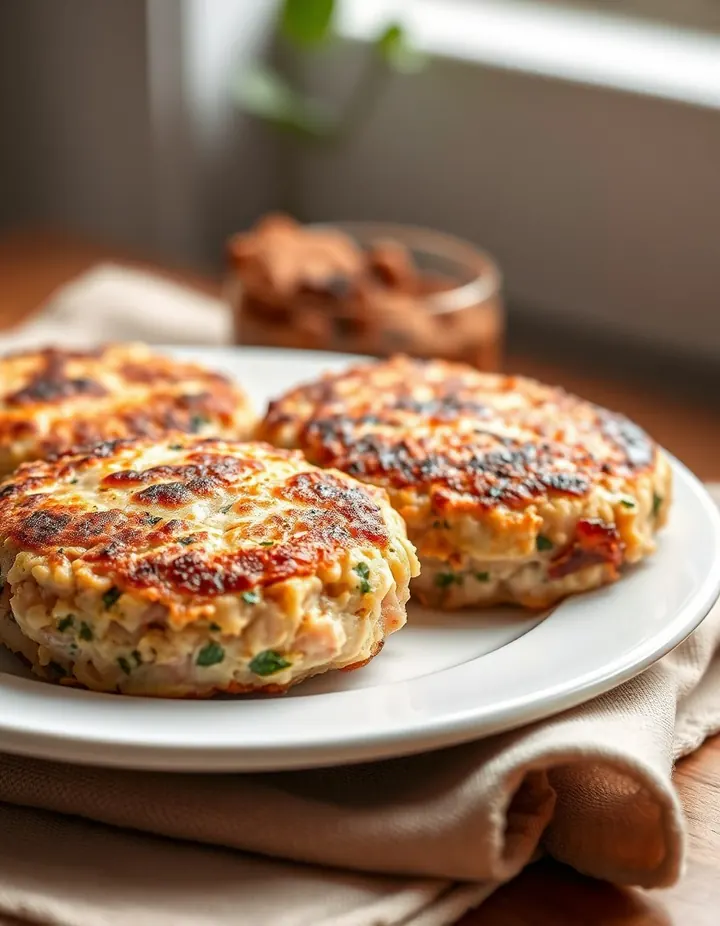 Rabbit Patties6 recipes
 Tomato Soup526 recipes
 Brown Bread461 recipes
The free Flavor Lab newsletter: one surprising pairing a week and the molecular reason it works, in 60 seconds. No spam, unsubscribe anytime.
Prefer an account? Create a free account to save pairings and unlock the full chemistry.