Why it works: Sugar and almond are a kitchen classic. They rank in the top 18% of all ingredient pairs, and cooks put them together in 15,679 recipes. Both carry 1-penten-3-one, which smells fish, pungent. The science ↓
Praline Powder
Ingredients
Directions
Make the praline
Melt the cane sugar in a copper sugar boiler or fireproof dish over a low heat until it turns deep brown.
Stir in the chopped almonds and cook until well browned, being careful not to burn it.
Cool and crush
Spread the mixture on an oiled dish and let it cool.
Pound the mixture to a powder.
Roughly crush part of it and mix it back in.
Transcribed from a scanned cookbook and modernised for today's kitchens. Where the book gave no heat or time, or said "a moderate oven", the temperatures and times here may be modern equivalents rather than the book's own figures.
Explore the science
The flavor team
The pairs that carry this dish. Each one is judged two ways: how much their aromas overlap, and how often cooks already put them together.
-
Sugar + almondtop 18% of all pairsSmell alikemoderateCooked together15,679 recipes
Shared aroma: 1-penten-3-one (fish, pungent).
Ranks compare each pair with 20,000 random ingredient pairs on CompKitchen. How we score pairs
What each ingredient does
- Cane sugar
- Melts and caramelizes to give sweetness, deep colour, and a brittle set when cooled.
- Almonds
- Add crunch and nutty flavour, and toast in the hot sugar as it browns.
The step that matters
Browning the almonds without burning. Sugar darkens quickly near the end of caramelization, and once it passes deep brown it turns bitter and acrid. Cooking over low heat and watching closely keeps the flavour sweet and nutty.
“What each ingredient does” and “The step that matters” were written by Claude from this recipe’s own method and reviewed in samples by CompKitchen.
You might also like
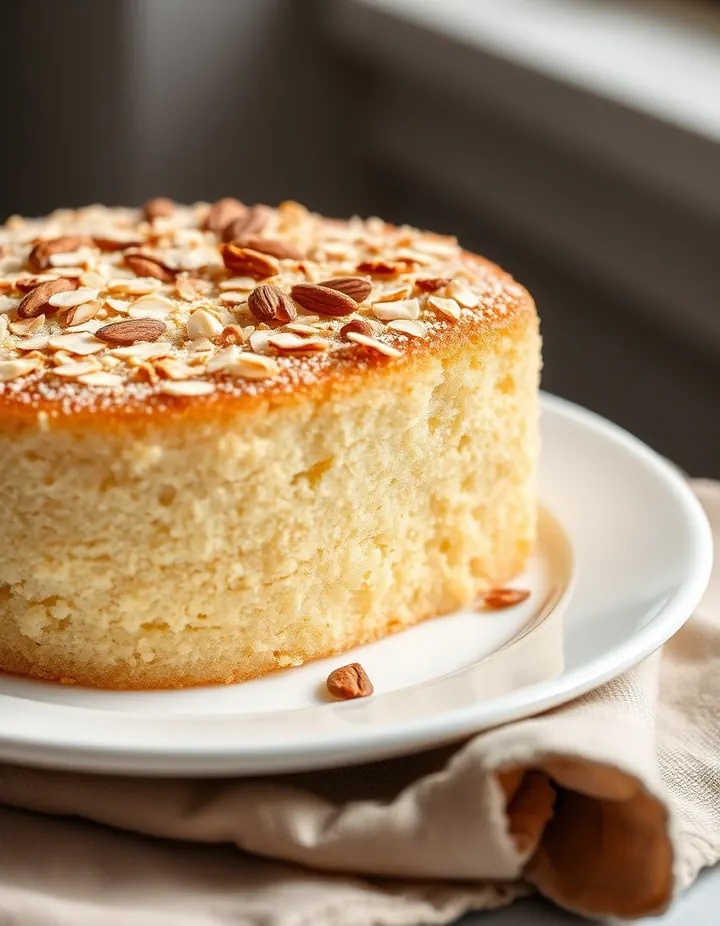 Almond Sponge Cake26 recipes
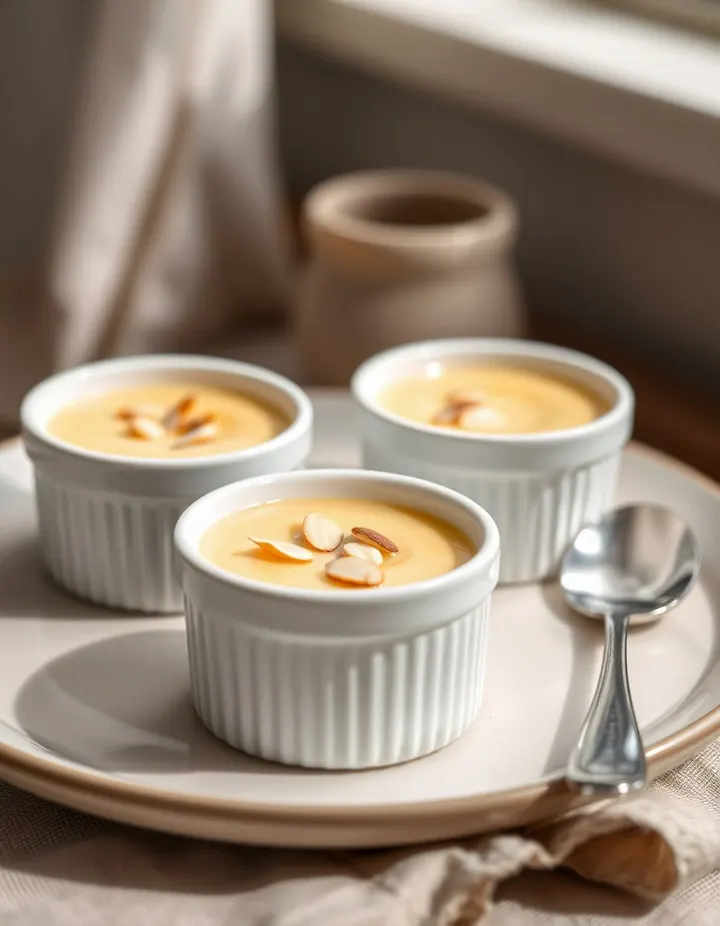 Almond Custard22 recipes
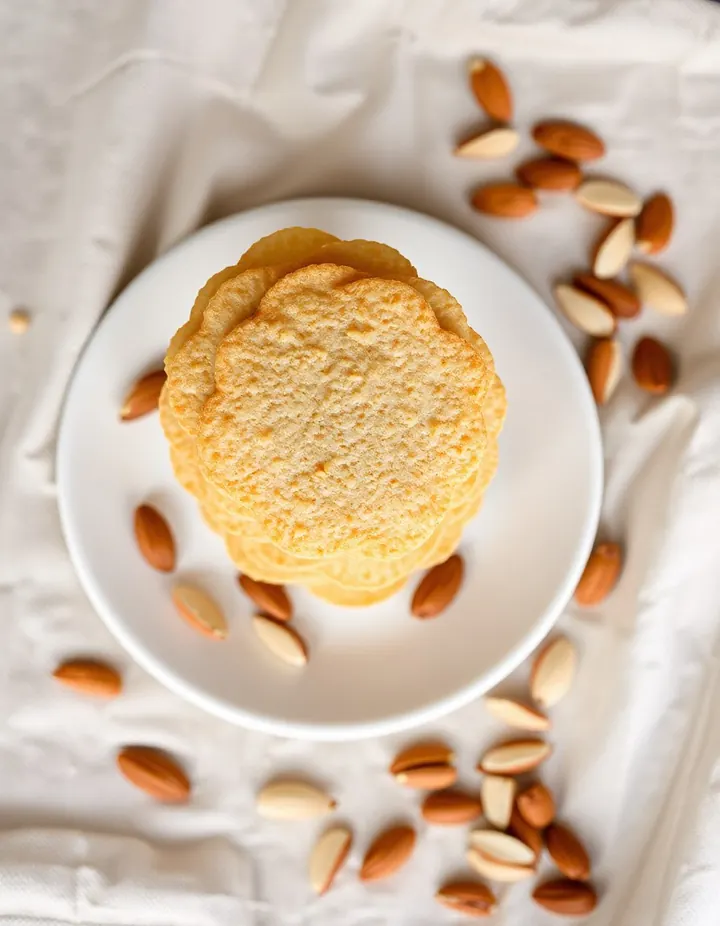 Almond Wafers22 recipes
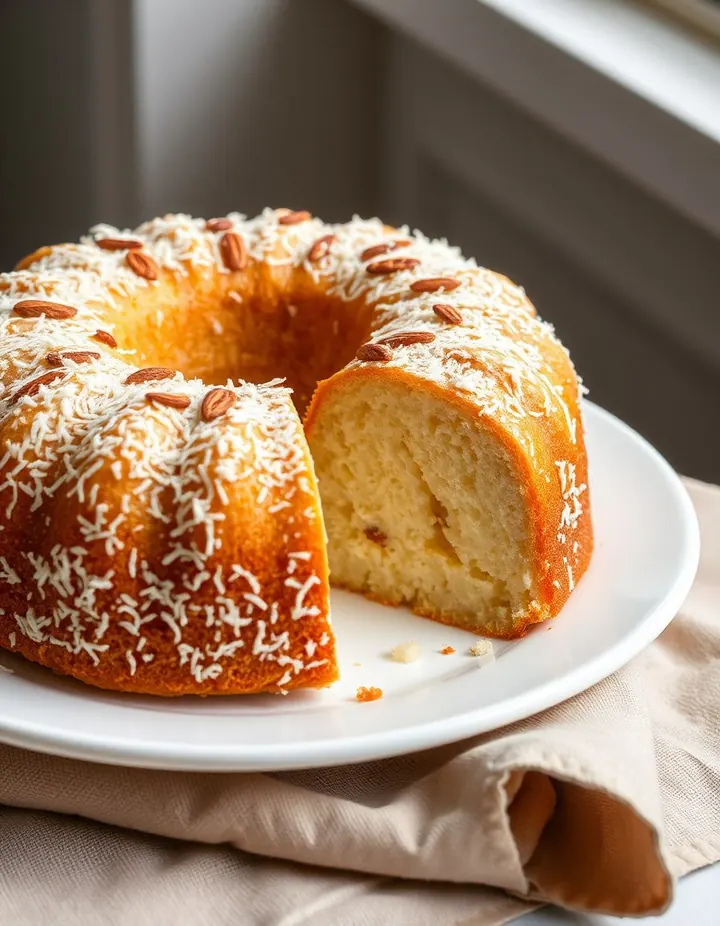 Coconut Almond Cake17 recipes
The free Flavor Lab newsletter: one surprising pairing a week and the molecular reason it works, in 60 seconds. No spam, unsubscribe anytime.
Prefer an account? Create a free account to save pairings and unlock the full chemistry.