Why it works: Rice and butter are a kitchen classic. They rank in the top 16% of all ingredient pairs, and cooks put them together in 9,645 recipes. Both carry trans-2-nonenal, which smells cardboard, fatty. The science ↓
Creole Receipt for Boiling Rice
Ingredients
Directions
Prepare the rice
Wash the rice in three waters and dry it with a clean cloth after the last wash.
Boil and drain
Bring a deep saucepan of water to a boil and sprinkle the rice into it.
Boil uncovered for 20 minutes, then test several grains for tenderness.
If not tender, boil for an additional 2-3 minutes.
Remove from heat and drain the rice in a colander.
Dry and finish
In a saucepan, combine the drained rice with butter and salt.
Place the saucepan where it can receive heat without scorching, and do not cover.
Occasionally turn the rice lightly from the bottom with a fork to break up lumps.
After about 40 minutes, the rice should be dry and each grain separate.
Transcribed from a scanned cookbook and modernised for today's kitchens. Where the book gave no heat or time, or said "a moderate oven", the temperatures and times here may be modern equivalents rather than the book's own figures.
Explore the science
The flavor team
The pairs that carry this dish. Each one is judged two ways: how much their aromas overlap, and how often cooks already put them together.
-
Rice + buttertop 16% of all pairsSmell alikemoderateCooked together9,645 recipes
Shared aroma: trans-2-nonenal (cardboard, fatty).
Ranks compare each pair with 20,000 random ingredient pairs on CompKitchen. How we score pairs
What each ingredient does
- Rice
- Provides the starch that becomes the body of the dish once cooked and dried.
- Butter
- Adds fat that coats the grains, adding richness and helping them stay separate.
The step that matters
Drying the drained rice over gentle heat. Once drained, the rice still holds surface moisture. Drying it slowly without a lid lets that moisture evaporate so the grains stay separate instead of clumping or scorching on the bottom of the pan.
“What each ingredient does” and “The step that matters” were written by Claude from this recipe’s own method and reviewed in samples by CompKitchen.
You might also like
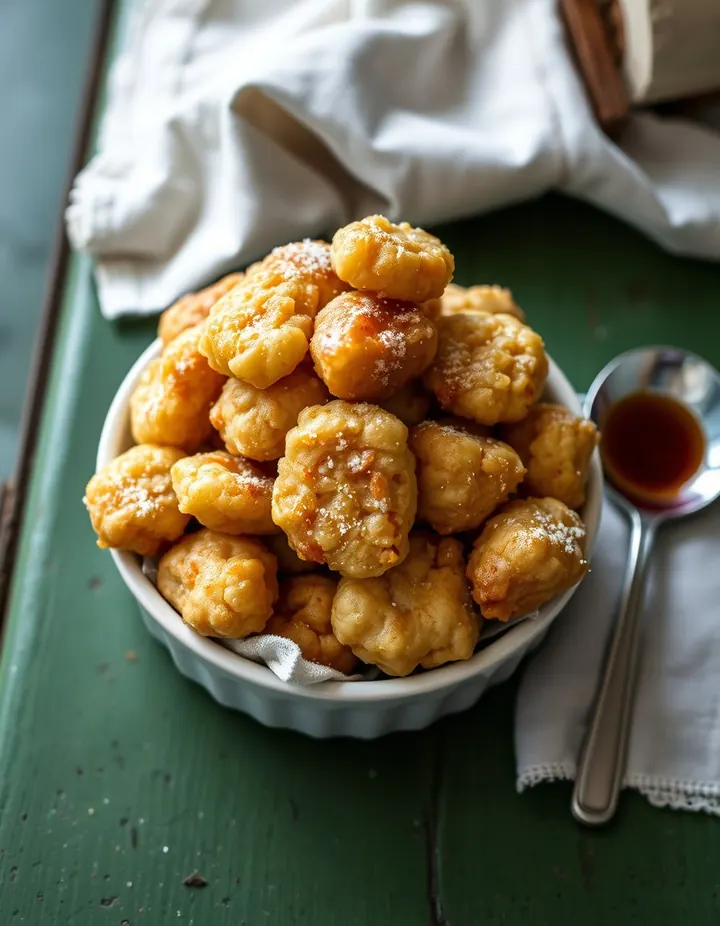 Rice Fritters84 recipes
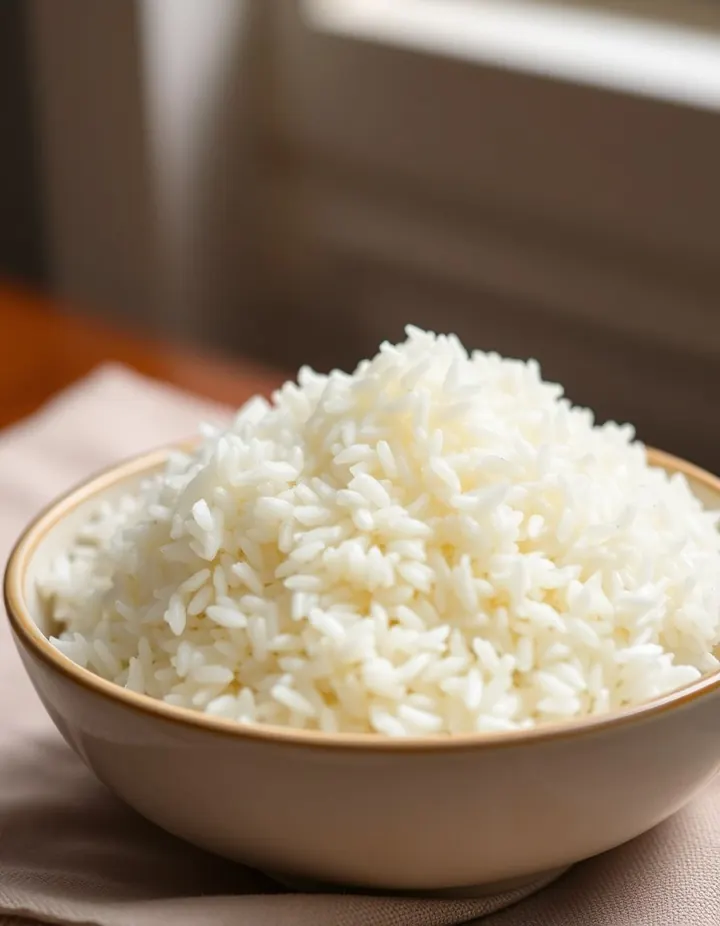 Steamed Rice48 recipes
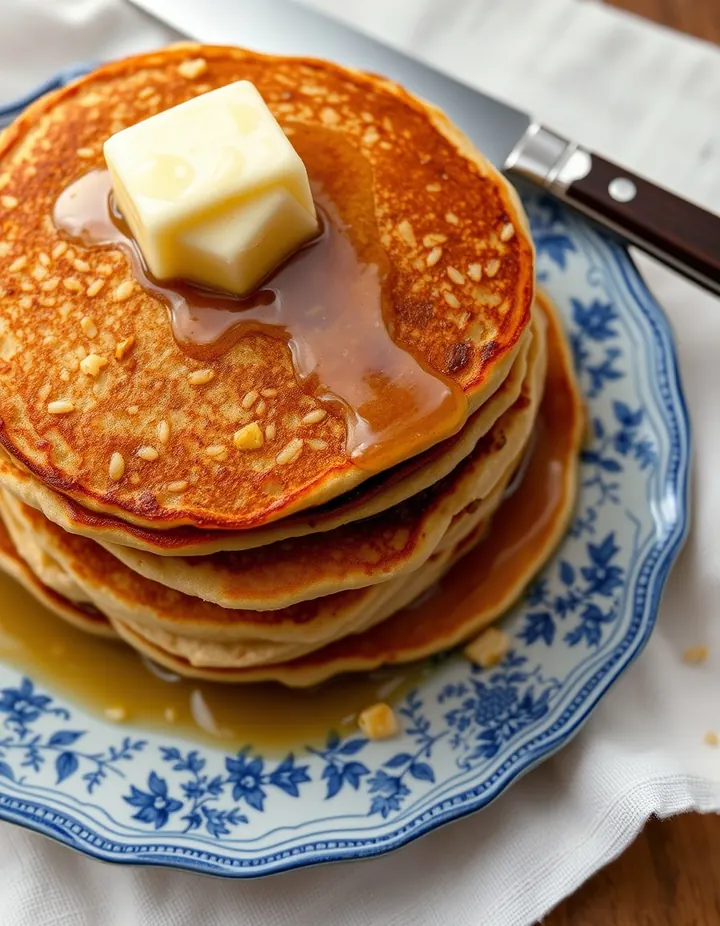 Rice Griddle Cakes28 recipes
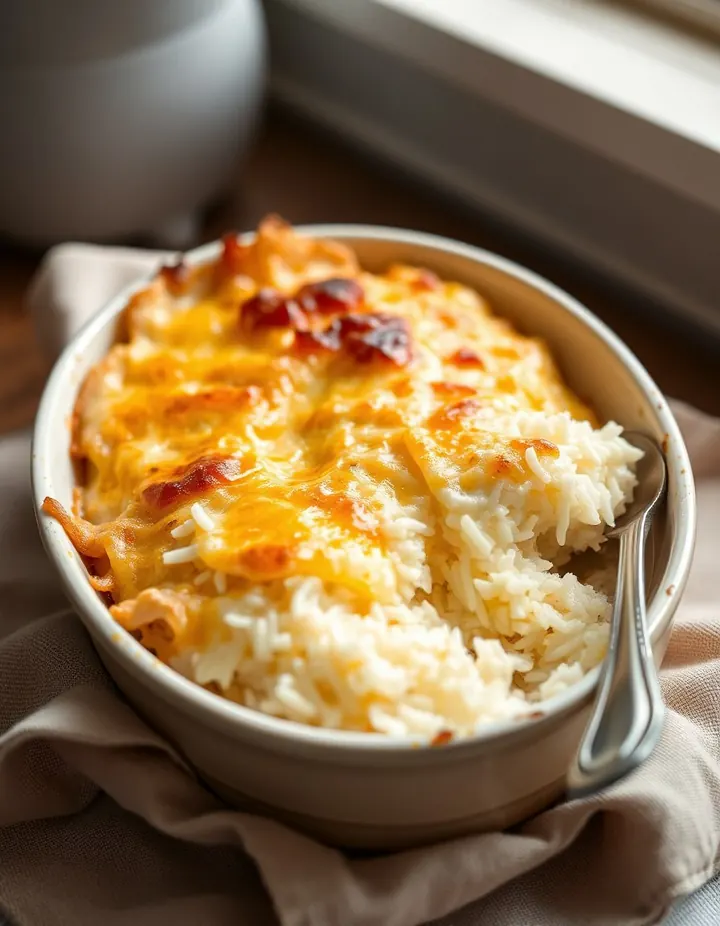 Rice and Cheese Casserole23 recipes
The free Flavor Lab newsletter: one surprising pairing a week and the molecular reason it works, in 60 seconds. No spam, unsubscribe anytime.
Prefer an account? Create a free account to save pairings and unlock the full chemistry.