Why it works: Parsley and thyme match in chemistry and in kitchens. They rank in the top 1% of all ingredient pairs, and cooks put them together in 9,057 recipes. Both carry cuminaldehyde, which smells Spicy, cumin. The science ↓
Partridge Pie
Ingredients
Directions
The book gives no oven temperature. The 350°F (175°C) in the steps was added when the recipe was transcribed, as a starting point.
Prepare the birds and forcemeat
Truss the partridges like chickens for boiling.
Season the partridges with pepper, salt, and mace.
Bake the veal and ham in a 350°F (175°C) oven until tender, about 1 hour. Drain the veal and ham, then pound them in a mortar.
Mix the pounded veal and ham with the cooking liquid.
Add grated bread and chopped bacon to part of the forcemeat.
Place a walnut-sized portion of the forcemeat into each bird.
Assemble the pie
Make a raised crust in an oblong shape.
Layer the bottom of the crust with sliced bacon, veal, and artichoke bottoms.
Place the partridges on top of the bottom layer.
Add a layer of forcemeat over the partridges.
Cover with slices of bacon.
Brush the edges with beaten egg white.
Cover with the top crust.
Pinch to seal the crust.
Bake and serve
Bake for 3.5 hours at 350°F (175°C).
Before serving, brush the outside with egg white.
Cover the pie with fringed foolscap paper.
Transcribed from a scanned cookbook and modernised for today's kitchens. Where the book gave no heat or time, or said "a moderate oven", the temperatures and times here may be modern equivalents rather than the book's own figures.
Explore the science
The flavor team
The pairs that carry this dish. Each one is judged two ways: how much their aromas overlap, and how often cooks already put them together.
-
Parsley + thymetop 1% of all pairsSmell alikestrongCooked together9,057 recipes
Shared aroma: cuminaldehyde (Spicy, cumin).
-
Parsley + lemontop 1% of all pairsSmell alikestrongCooked together14,037 recipes
Shared aroma: beta-phellandrene (minty, terpene).
-
Lemon + thymetop 1% of all pairsSmell alikestrongCooked together3,973 recipes
Shared aroma: beta-phellandrene (minty, terpene).
-
Shallot + parsleytop 1% of all pairsSmell alikestrongCooked together3,737 recipes
Shared aroma: 2,4-decadienal (seaweed).
-
Shallot + thymetop 1% of all pairsSmell alikestrongCooked together1,476 recipes
Shared aroma: eucalyptol (eucalyptus, herbal).
Ranks compare each pair with 20,000 random ingredient pairs on CompKitchen. How we score pairs
What each ingredient does
- Partridges
- Form the main meat of the pie, cooked through within the crust.
- Lean veal
- Provides the bulk of the forcemeat, giving a tender, moist texture once pounded and cooked.
- Lean ham
- Adds savory, salty flavor to the forcemeat and the pie's filling.
- Butter
- Adds richness and fat, contributing moisture and a smooth mouthfeel to the filling.
- Grated bread
- Binds the forcemeat and helps it hold together while absorbing juices.
- Egg white
- Brushed on the crust, it helps the surface brown and gives a glossy finish.
The step that matters
Sealing the crust and baking. A tight seal keeps juices and moisture inside the pie while the long, gentle bake cooks the partridges through. A leaky seal lets juices escape and can dry out the meat.
Swap the mace
How well each one fits the dish's main ingredients (pepper, veal, ham, shallot, parsley, lemon, thyme):
- Marjoramfits better
- Winter savoryfits better
- Tarragonfits better
- Macethe original
Fit is the average pairing score against pepper, veal, ham, shallot, parsley, lemon, thyme. Candidates are from the same food group and used in at least 100 recipes.
“What each ingredient does” and “The step that matters” were written by Claude from this recipe’s own method and reviewed in samples by CompKitchen.
You might also like
 Brown Bread461 recipes
 Lemon Sauce236 recipes
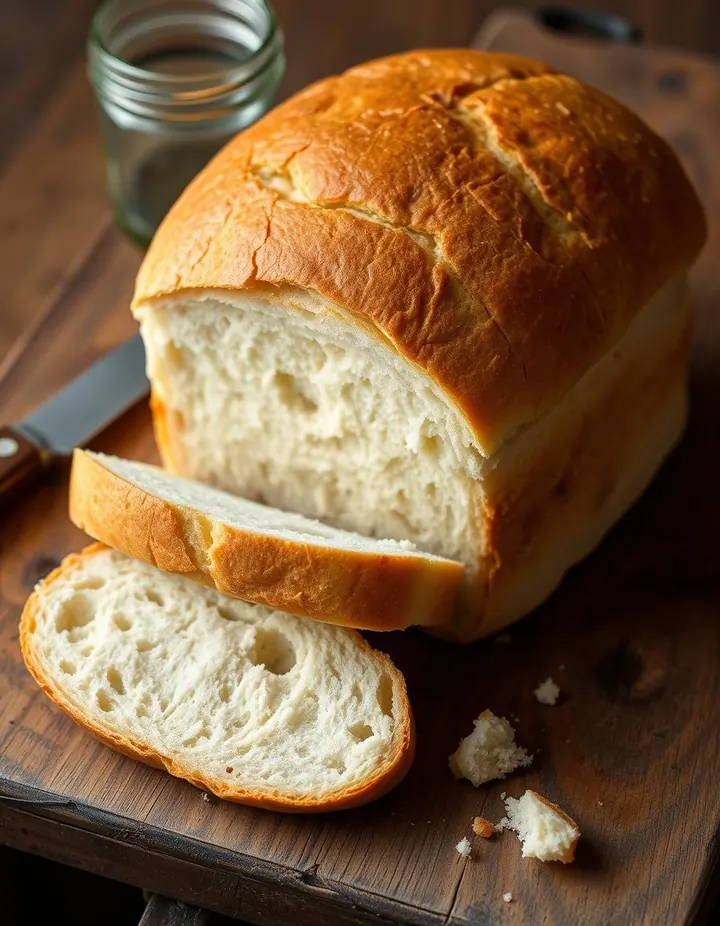 White Bread80 recipes
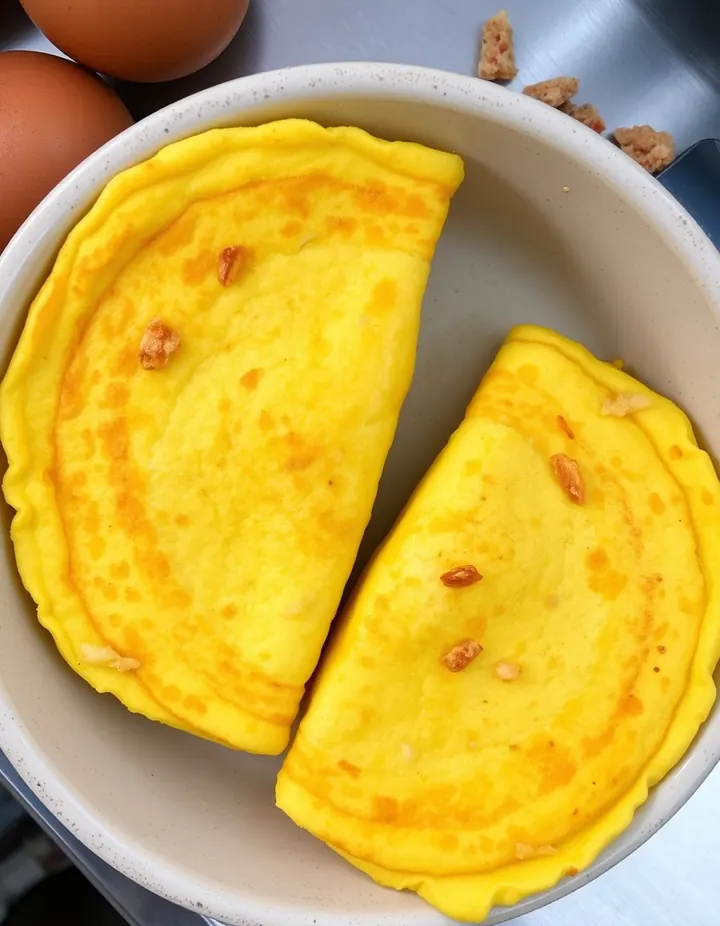 Bread Omelette60 recipes
The free Flavor Lab newsletter: one surprising pairing a week and the molecular reason it works, in 60 seconds. No spam, unsubscribe anytime.
Prefer an account? Create a free account to save pairings and unlock the full chemistry.