Why it works: Cauliflower and horseradish match in chemistry and in kitchens. They rank in the top 1% of all ingredient pairs, and cooks put them together in 139 recipes. Both carry coumarin, which smells sweet, hay. The science ↓
Indian Pickle
Ingredients
Directions
Prepare the ginger and garlic
Shape and wash the ginger.
Cut the ginger into thin slices.
Soak the ginger in saltwater overnight.
Lay the ginger on a dish and sprinkle salt over it.
Let the ginger stand until ready.
Cut the garlic into bits.
Soak the garlic in salt for three days.
Wash, drain and dry the garlic.
Prepare the cabbage and vegetables
Boil the summer cabbages in saltwater for 15 minutes.
Cut the cabbages into quarters and drain them.
Sprinkle finely minced beef suet over the cabbage and let it sit for 12 hours.
Pull the cabbage into small bits.
Dry the cabbage bits in the sun or by the fire.
Boil cauliflower, celery, French beans, and sliced horseradish in saltwater.
Dry the boiled vegetables in the sun or by the fire.
Make the spiced vinegar and pack the jar
Finely bruise the mustard seed and turmeric.
Mix the bruised mustard seed and turmeric with long pepper and allspice.
Boil this mixture with the strong vinegar.
Add the common vinegar to the mixture.
Pour the hot vinegar over the dried vegetables in a jar.
If the vinegar reduces after three weeks, top it up with more vinegar.
Transcribed from a scanned cookbook and modernised for today's kitchens. Where the book gave no heat or time, or said "a moderate oven", the temperatures and times here may be modern equivalents rather than the book's own figures.
Explore the science
The flavor team
The pairs that carry this dish. Each one is judged two ways: how much their aromas overlap, and how often cooks already put them together.
-
Cauliflower + horseradishtop 1% of all pairsSmell alikestrongCooked together139 recipes
Shared aroma: coumarin (sweet, hay).
-
Cabbage + cauliflowertop 1% of all pairsSmell alikestrongCooked together305 recipes
Shared aroma: 4'-methylacetophenone (bitter almond).
-
Cabbage + horseradishtop 2% of all pairsSmell alikestrongCooked together481 recipes
Shared aroma: coumarin (sweet, hay).
-
Cauliflower + beanstop 2% of all pairsSmell alikestrongCooked together290 recipes
Shared aroma: 2,3-pentanedione (butter, sweet).
-
Garlic + horseradishtop 5% of all pairsSmell alikestrongCooked together719 recipes
Shared aroma: coumarin (sweet, hay).
Ranks compare each pair with 20,000 random ingredient pairs on CompKitchen. How we score pairs
What each ingredient does
- Garlic
- Its pungent flavour mellows during the long salt soak, adding aroma to the pickle.
- Summer cabbages
- Boiling and drying firm the cabbage so it keeps its texture in the vinegar.
- Fresh beef suet
- Adds richness and fat that softens the sharp vinegar and salt.
- Mustard seed
- Contributes pungent flavour that stands up to the sharp vinegar.
- Strong vinegar
- Acidity that preserves the vegetables and carries the spices.
- White ginger
- Salt soaking and drying give the slices a firm texture and sharp aroma.
The step that matters
Drying the boiled and sliced vegetables before adding vinegar. Wet vegetables dilute the hot vinegar and leave extra moisture in the jar, which can weaken the preserving acidity and invite spoilage. Thorough drying keeps the vinegar strong and the pickle firm.
Swap the ginger
How well each one fits the dish's main ingredients (garlic, cabbage, beef, cauliflower, celery, beans, horseradish):
- Turmericfits better
- Capersfits better
- Parsleyfits better
- Gingerthe original
Fit is the average pairing score against garlic, cabbage, beef, cauliflower, celery, beans, horseradish. Candidates are from the same food group and used in at least 100 recipes.
“What each ingredient does” and “The step that matters” were written by Claude from this recipe’s own method and reviewed in samples by CompKitchen.
More indian pickle recipes
You might also like
 Roast Beef211 recipes
 Beef Loaf175 recipes
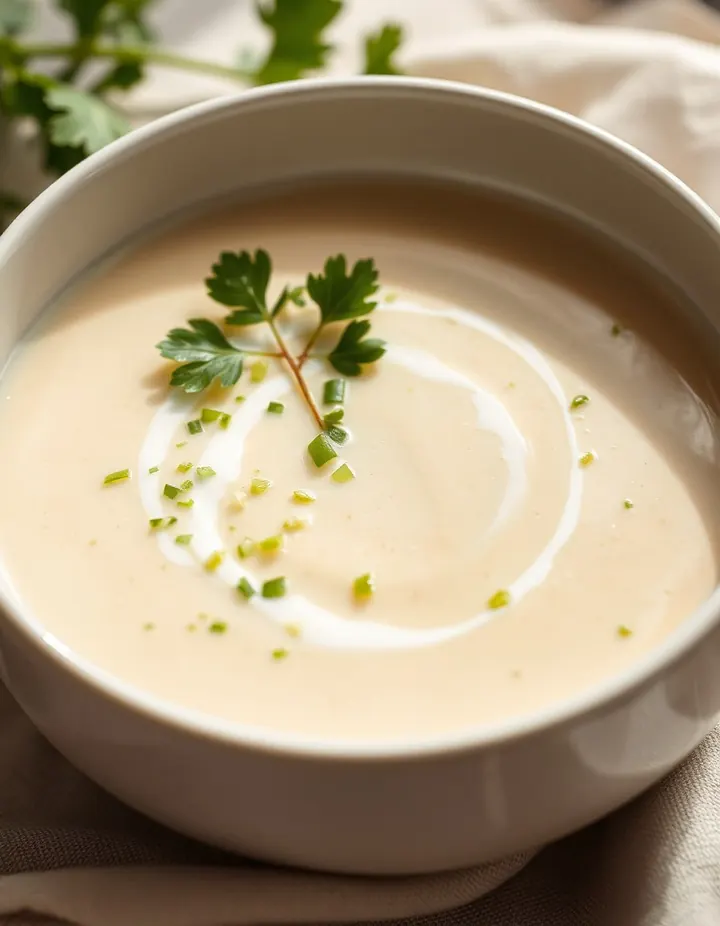 Cream of Celery Soup113 recipes
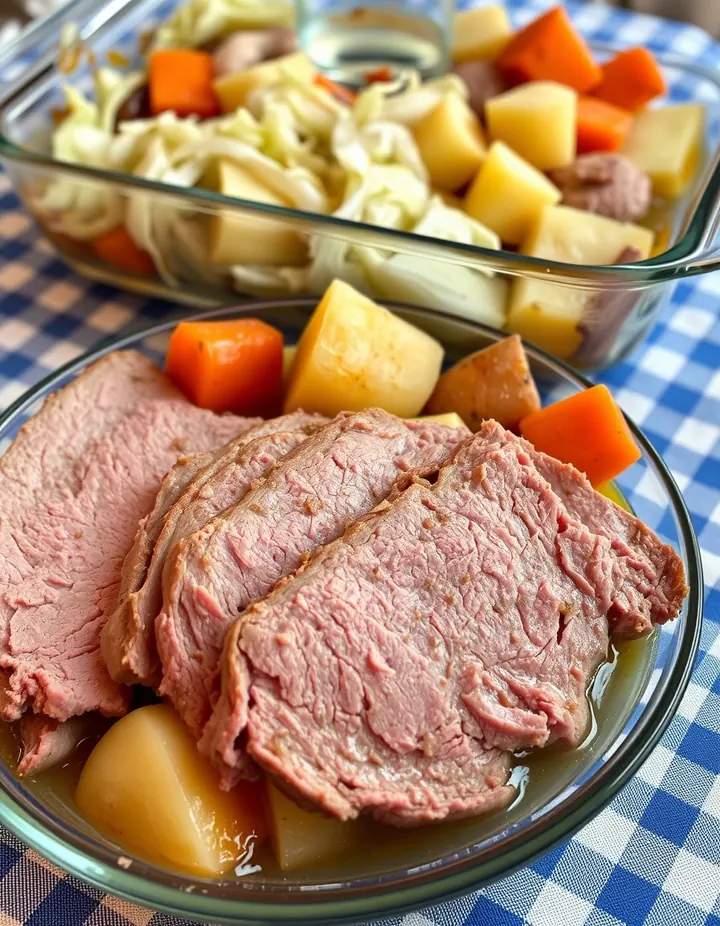 Corned Beef87 recipes
The free Flavor Lab newsletter: one surprising pairing a week and the molecular reason it works, in 60 seconds. No spam, unsubscribe anytime.
Prefer an account? Create a free account to save pairings and unlock the full chemistry.