Why it works: Almond and currant are a kitchen classic. They rank in the top 24% of all ingredient pairs, and cooks put them together in 1,659 recipes. Both carry alpha-pinene, which smells pine, turpentine. The science ↓
How to Arrange Jellies with Fruit or Blancmange
Ingredients
Directions
Prepare the mould
Rub the mould lightly with almond oil using a clean rag.
Pour some jelly into the mould to take the pattern at the top and let it cool.
Layer the fruit
Wipe the fruit clean and set them lightly into the jelly so they hang gracefully.
Pour another layer of warm jelly over the fruit and let it set.
Repeat layering with more fruit and jelly until the mould is filled.
Unmould and serve
Leave the mould in a cool place until ready to serve.
Loosen the jelly gently around the edges with a clean cloth before turning it out.
Pass a dry cloth wrung from boiling water over the mould, then turn it onto a dish.
Transcribed from a scanned cookbook and modernised for today's kitchens. Where the book gave no heat or time, or said "a moderate oven", the temperatures and times here may be modern equivalents rather than the book's own figures.
Explore the science
The flavor team
The pairs that carry this dish. Each one is judged two ways: how much their aromas overlap, and how often cooks already put them together.
-
Almond + curranttop 24% of all pairsSmell alikelowCooked together1,659 recipes
Shared aroma: alpha-pinene (pine, turpentine).
Ranks compare each pair with 20,000 random ingredient pairs on CompKitchen. How we score pairs
What each ingredient does
- Calf's foot jelly or isinglass jelly
- Forms the clear, firm gel that holds the fruit in suspension.
- Fresh strawberries or currants
- Provide the fruit flavour and visible pattern within the set jelly.
- Almond oil
- Thin film on the mould that helps the set jelly release cleanly when turned out.
The step that matters
Turning the jelly out. Jelly sticks to metal where it sets against the surface. Loosening the edges and briefly warming the mould with hot-water-wrung cloth melts a thin layer at the surface so the gel slides free without tearing.
“What each ingredient does” and “The step that matters” were written by Claude from this recipe’s own method and reviewed in samples by CompKitchen.
More fruit jelly recipes
You might also like
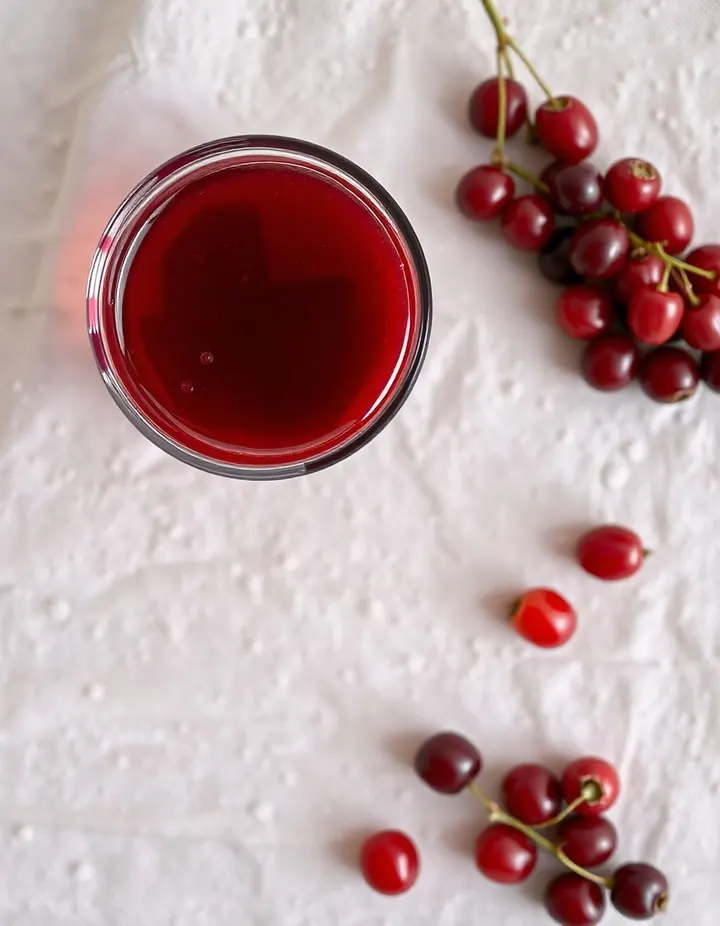 Red Currant Jelly65 recipes
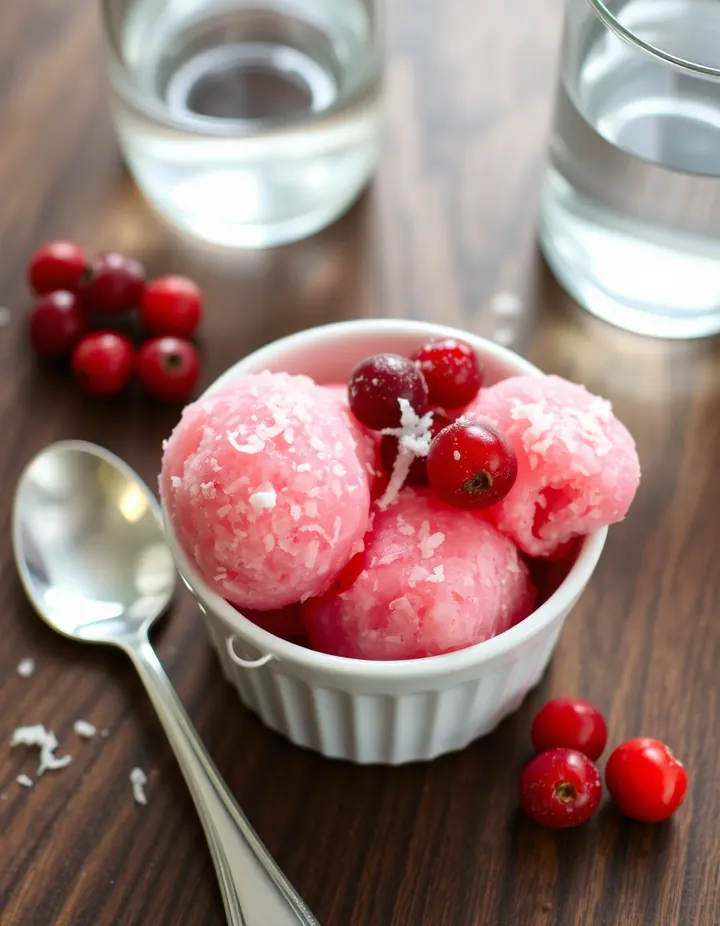 Currant Ice Cream32 recipes
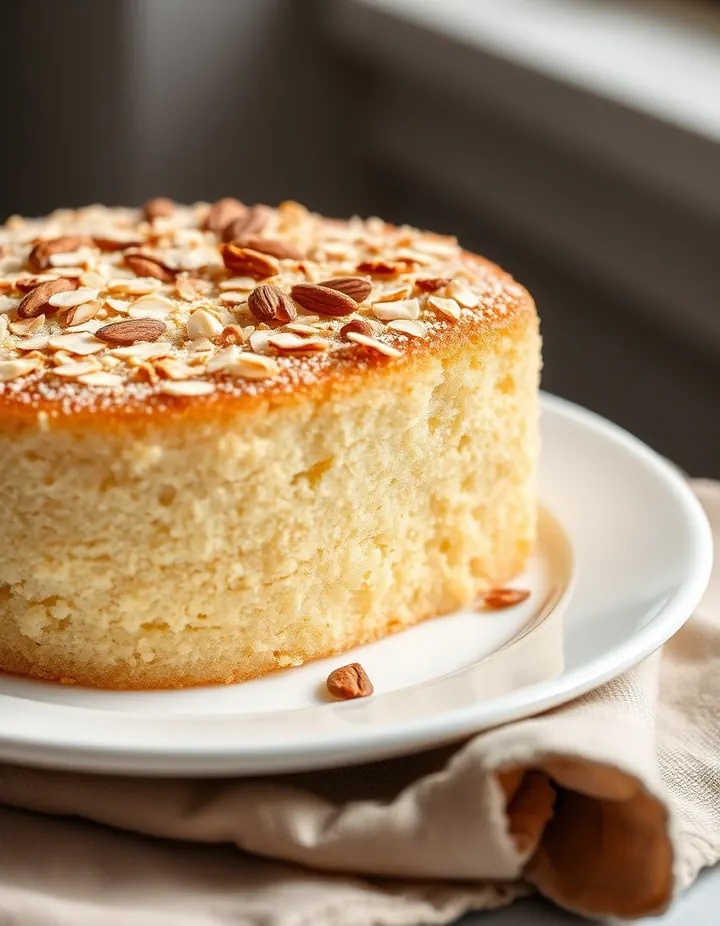 Almond Sponge Cake26 recipes
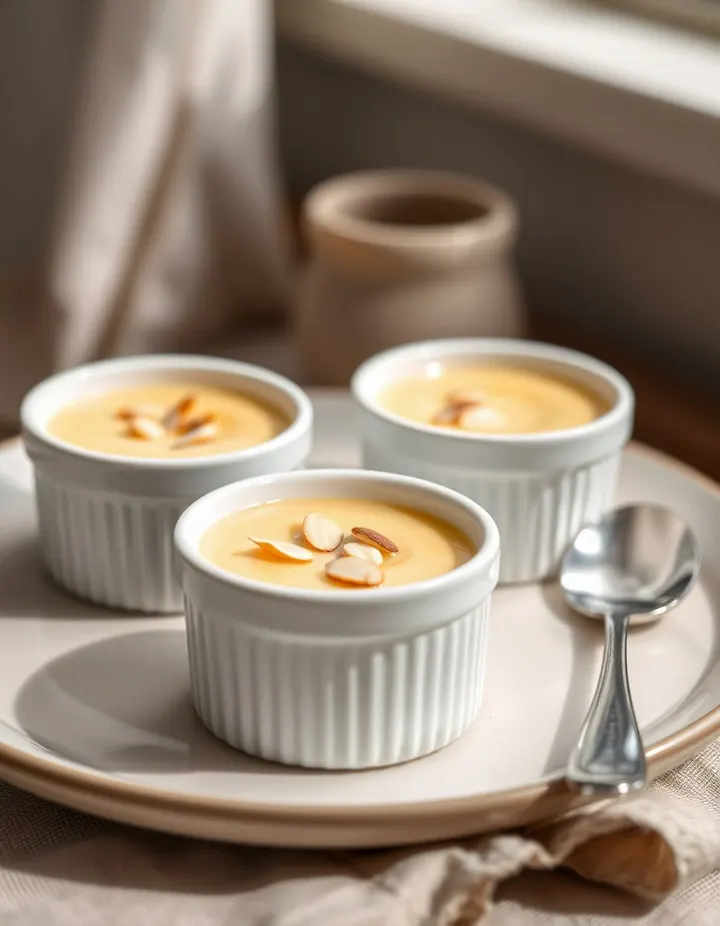 Almond Custard22 recipes
The free Flavor Lab newsletter: one surprising pairing a week and the molecular reason it works, in 60 seconds. No spam, unsubscribe anytime.
Prefer an account? Create a free account to save pairings and unlock the full chemistry.