Why it works: White wine and meat work together. They rank in the top 26% of all ingredient pairs, and cooks put them together in 443 recipes. Both carry guaiacol, which smells smoky, sweet. The science ↓
How to Prepare Meat-glaze
Ingredients
Directions
Reduce the broth
Pour the broth into a large copper stock-pot, filling it to half its height, and set the pot on a brisk fire.
Let the liquid boil, leaving a ladle in the pot to prevent overflow.
When the broth has reduced by three-quarters and thickened slightly, transfer it to a smaller pot.
Finish the glaze
Place the smaller pot on the side of the fire to achieve the desired glaze consistency.
Remove impurities that gather on the side opposite the ebullition.
The glaze is ready when it has the consistency of syrup and coats a spoon.
Transcribed from a scanned cookbook and modernised for today's kitchens. Where the book gave no heat or time, or said "a moderate oven", the temperatures and times here may be modern equivalents rather than the book's own figures.
Explore the science
The flavor team
The pairs that carry this dish. Each one is judged two ways: how much their aromas overlap, and how often cooks already put them together.
-
White wine + meattop 26% of all pairsSmell alikelowCooked together443 recipes
Shared aroma: guaiacol (smoky, sweet).
Ranks compare each pair with 20,000 random ingredient pairs on CompKitchen. How we score pairs
What each ingredient does
- Broth
- Its gelatin and dissolved solids thicken as the liquid reduces, forming the glaze.
- White wine
- Adds acidity and aroma that brighten the reduced glaze.
- Chopped raw game-meat
- Releases juices and flavour into the broth as it simmers.
The step that matters
Removing impurities from the surface. Proteins and fats that rise during boiling can cloud the glaze and make it taste heavy. Skimming them from the side away from the bubbling keeps the reduction clear and clean-flavoured.
“What each ingredient does” and “The step that matters” were written by Claude from this recipe’s own method and reviewed in samples by CompKitchen.
You might also like
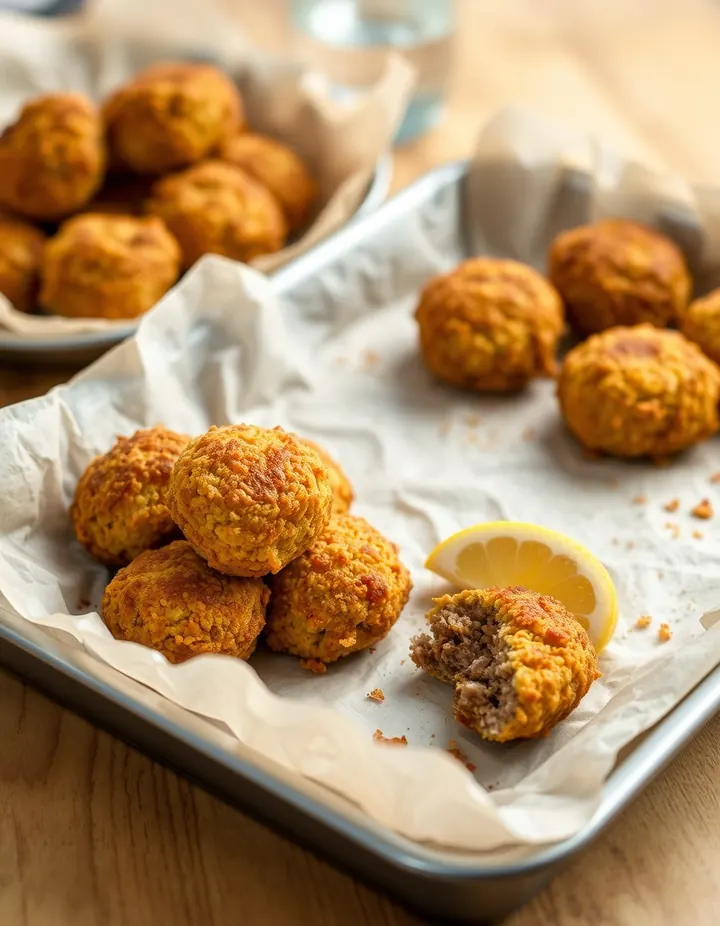 Meat Croquettes52 recipes
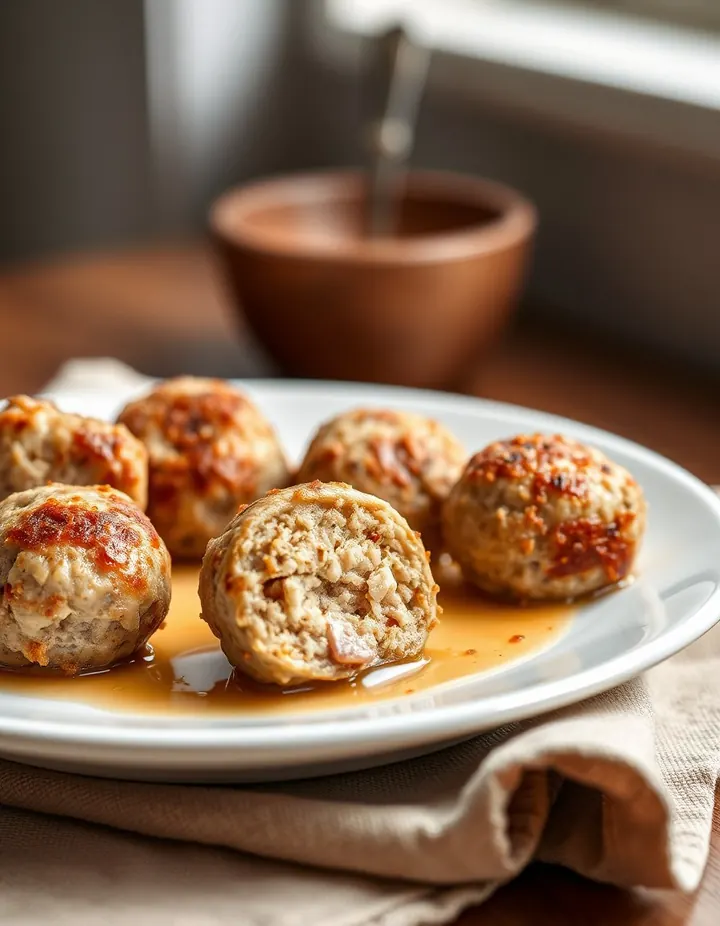 Meatballs37 recipes
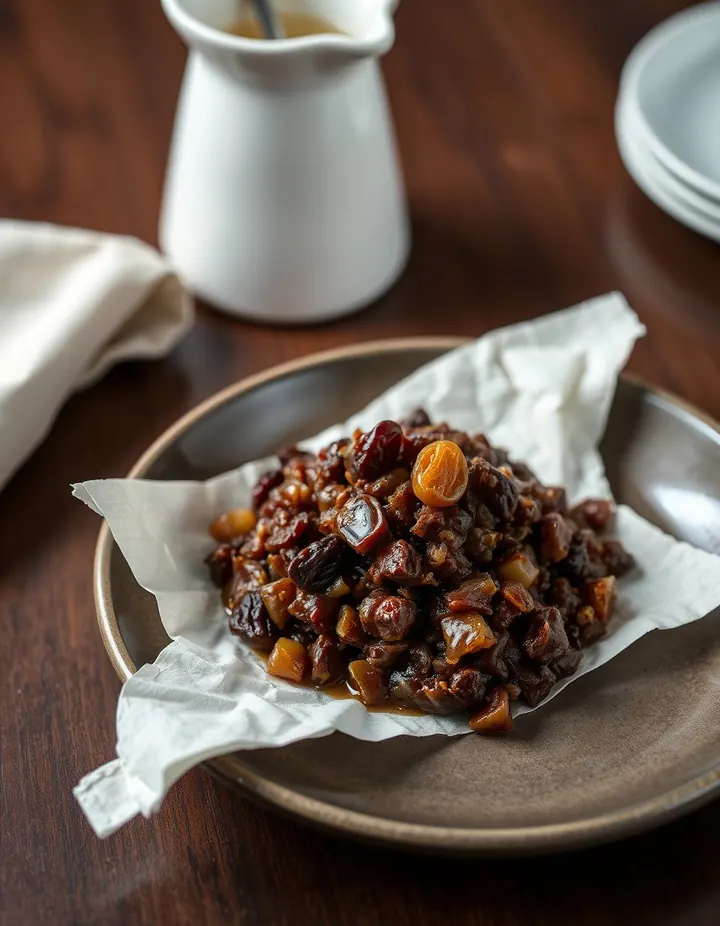 Mince Meat37 recipes
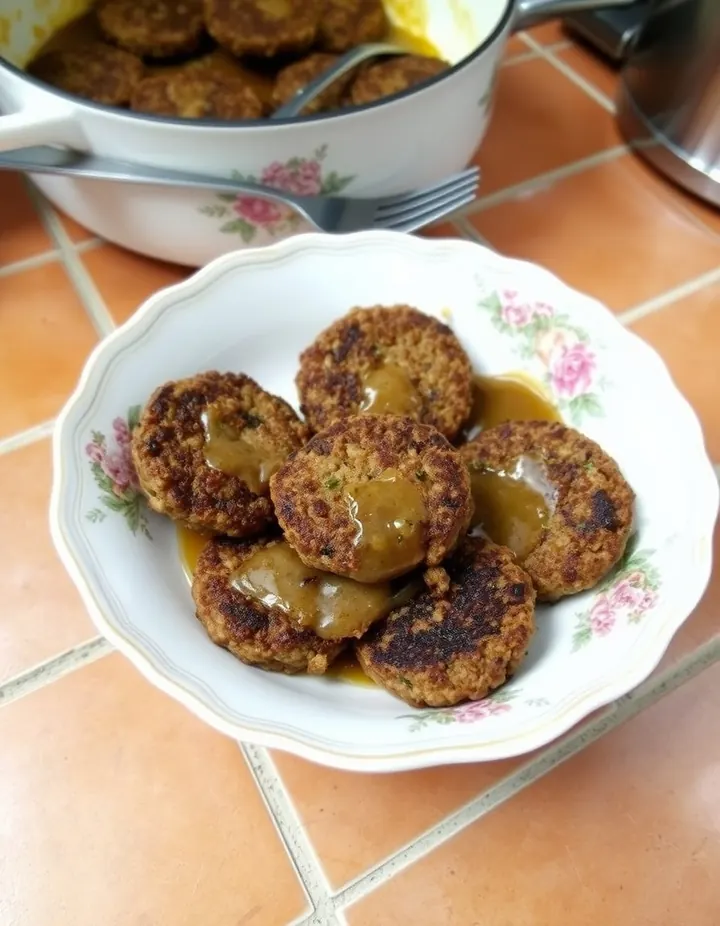 Meat Cakes35 recipes
The free Flavor Lab newsletter: one surprising pairing a week and the molecular reason it works, in 60 seconds. No spam, unsubscribe anytime.
Prefer an account? Create a free account to save pairings and unlock the full chemistry.