Why it works: Beef and sauce are a kitchen classic. They rank in the top 24% of all ingredient pairs, and 3,650 recipes mention both. Both carry ethanol, which smells alcoholic, ethereal. The science ↓
Beef-muzzle, Piquant-sauce
Ingredients
Directions
Prepare the muzzle
Singe the muzzle of beef.
Soak the singed muzzle for a few hours.
Place the muzzle in a stewpan with water and bring to a boil.
Drain the muzzle.
Sponge the drained muzzle.
Scrape the inside of the muzzle to remove the white skin.
Cook and serve
Boil the muzzle as you would for calf's head.
Remove the fillet of the palate when done.
Cut the muzzle and palate into medium-sized squares.
Place the squares in a stewpan.
Moisten with piquant sauce.
Simmer on low heat for 15 minutes before serving.
Transcribed from a scanned cookbook and modernised for today's kitchens. Where the book gave no heat or time, or said "a moderate oven", the temperatures and times here may be modern equivalents rather than the book's own figures.
Explore the science
The flavor team
The pairs that carry this dish. Each one is judged two ways: how much aroma chemistry they share, and how many recipes mention both.
-
Beef + saucetop 24% of all pairsAroma overlaplowMentioned together3,650 recipes
Shared aroma: ethanol (alcoholic, ethereal).
Ranks compare each pair with 20,000 random ingredient pairs on CompKitchen. How we score pairs
What each ingredient does
- Beef muzzle
- Forms the main body of the dish, becoming tender through long moist cooking.
- Piquant sauce
- Adds sharp, tangy flavour and moisture to the cut pieces during final simmering.
The step that matters
Boil the muzzle as you would for calf's head. Muzzle is dense connective-rich meat that needs gentle, prolonged simmering; boiling too hard toughens the outer tissue and leaves the meat uneven, so it should stay at a gentle simmer until tender.
“What each ingredient does” and “The step that matters” were written by Claude from this recipe’s own method and reviewed in samples by CompKitchen.
You might also like
 Roast Beef211 recipes
 Beef Loaf175 recipes
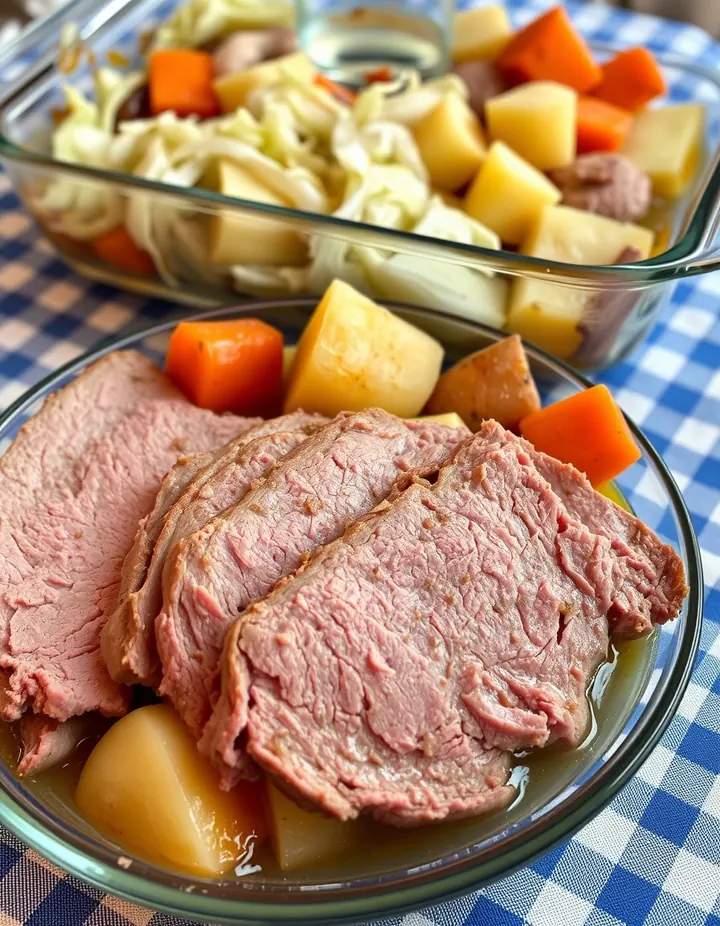 Corned Beef87 recipes
 Beef Broth67 recipes
The Sunday pairing: one pairing, the chemistry behind it, and how to cook it. No spam, unsubscribe anytime.
Prefer an account? Create a free account for sign-in; Pro adds the full results and chemistry.