Why it works: Pepper and lemon match in chemistry and in kitchens. They rank in the top 3% of all ingredient pairs, and cooks put them together in 27,047 recipes. Both carry trans-2-nonenal, which smells cardboard, fatty. The science ↓
Tripe, Scotch Fashion
Ingredients
Directions
Stew the tripe until tender and let it cool.
Prepare veal forcemeat with finely minced onion and an egg.
Cut the thick part of the tripe into neat pieces, about 1.5 inches by 3 or 4 inches.
Spread some stuffing on each piece of tripe.
Roll the tripe pieces up neatly and skewer them to hold their shape.
Roll each piece in egg and then in fine breadcrumbs.
Fry in hot fat until golden brown.
Transcribed from a scanned cookbook and modernised for today's kitchens. Where the book gave no heat or time, or said "a moderate oven", the temperatures and times here may be modern equivalents rather than the book's own figures.
Explore the science
The flavor team
The pairs that carry this dish. Each one is judged two ways: how much their aromas overlap, and how often cooks already put them together.
-
Pepper + lemontop 3% of all pairsSmell alikestrongCooked together27,047 recipes
Shared aroma: trans-2-nonenal (cardboard, fatty).
-
Lemon + vealtop 17% of all pairsSmell alikelowCooked together4,580 recipes
Shared aroma: 3-hexenal (apple, fruity).
-
Lemon + eggtop 19% of all pairsSmell alikelowCooked together44,316 recipes
Shared aroma: (e,e)-2,4-decadienal (fatty, deep fried).
-
Pepper + vealtop 19% of all pairsSmell alikemoderateCooked together10,049 recipes
Shared aroma: 2-nonenal (fatty, green).
-
Veal + eggtop 28% of all pairsSmell alikelowCooked together6,845 recipes
Shared aroma: 2-nonenal (fatty, green).
Lemon and egg barely smell alike, yet cooks put them together in 44,316 recipes: they work on texture and structure more than aroma.
Ranks compare each pair with 20,000 random ingredient pairs on CompKitchen. How we score pairs
You might also like
 Lemon Sauce236 recipes
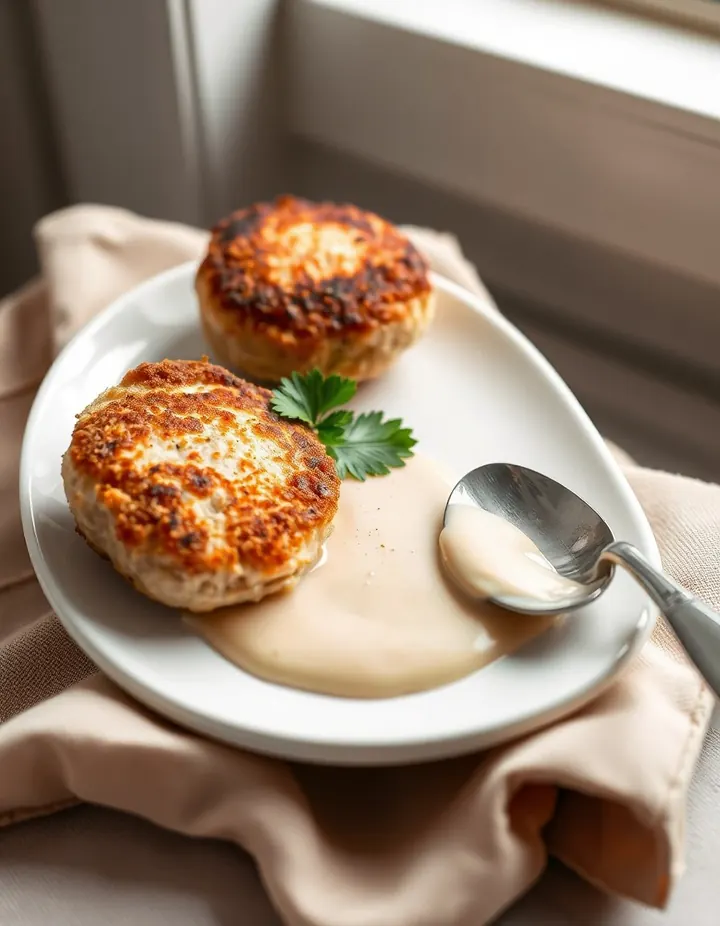 Veal Patties50 recipes
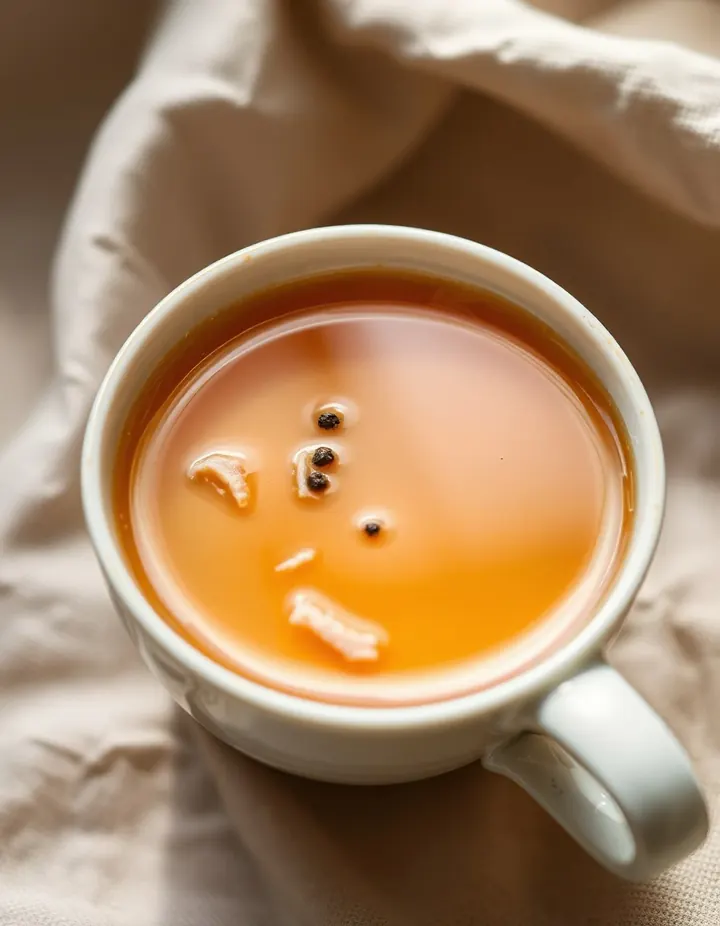 Beef, Mutton, or Veal Broth6 recipes
 Tomato Soup526 recipes
The free Flavor Lab newsletter: one surprising pairing a week and the molecular reason it works, in 60 seconds. No spam, unsubscribe anytime.
Prefer an account? Create a free account to save pairings and unlock the full chemistry.