Why it works: Clove and pepper match in chemistry and in kitchens. They rank in the top 5% of all ingredient pairs, and cooks put them together in 17,451 recipes. Both carry ethyl octanoate, which smells fruity, wine. The science ↓
Partridge and Cabbage
Ingredients
Directions
The book gives no oven temperature. The 300°F (150°C) in the steps was added when the recipe was transcribed, as a starting point.
Prepare the cabbage
Clean the cabbage, cut it into 4 parts, and wash it in cold water.
Remove the root of the cabbage.
Boil the cabbage in salted water for 5 minutes, then drain it.
Prepare the partridges
Singe, draw and wipe the partridges.
Truss the partridges with wings inside.
Place the partridges on a roasting pan with a pinch of salt and spread them with butter.
Roast the partridges for 6 minutes.
Braise and serve
Return the cabbage to the saucepan with the carrot, onion, salt pork, bouquet garni, white broth, and lean stock.
Season the mixture with salt and pepper.
Make a hollow space in the center of the cabbage and place the partridges inside.
Cover the cabbage with buttered paper and put the lid on the cabbage.
Cook in the oven at 300°F (150°C) for 1 hour.
Remove the lid and take off the paper.
Skim off any fat.
Dress the cabbage on a hot dish.
Untruss the partridges and arrange them artistically with the carrots and salt pork.
Serve the dish.
Transcribed from a scanned cookbook and modernised for today's kitchens. Where the book gave no heat or time, or said "a moderate oven", the temperatures and times here may be modern equivalents rather than the book's own figures.
Explore the science
The flavor team
The pairs that carry this dish. Each one is judged two ways: how much their aromas overlap, and how often cooks already put them together.
-
Clove + peppertop 5% of all pairsSmell alikestrongCooked together17,451 recipes
Shared aroma: ethyl octanoate (fruity, wine).
-
Carrot + clovetop 5% of all pairsSmell alikestrongCooked together5,873 recipes
Shared aroma: cuminaldehyde (Spicy, cumin).
-
Cabbage + peppertop 5% of all pairsSmell alikemoderateCooked together4,081 recipes
Shared aroma: 2-isopropyl-3-methoxypyrazine (earthy, pea).
-
Carrot + peppertop 6% of all pairsSmell alikestrongCooked together14,555 recipes
Shared aroma: 2-isopropyl-3-methoxypyrazine (earthy, pea).
-
Carrot + oniontop 6% of all pairsSmell alikemoderateCooked together21,601 recipes
Shared aroma: 2-isopropyl-3-methoxypyrazine (earthy, pea).
Ranks compare each pair with 20,000 random ingredient pairs on CompKitchen. How we score pairs
What each ingredient does
- Cabbage
- Forms the bulk of the dish and, after slow cooking, becomes soft and absorbs the flavour of the broth.
- Partridges
- Provide the main meat; roasting and then gentle oven cooking keep the flesh tender and moist.
- Salt pork
- Adds fat and savoury flavour that seasons the cabbage and broth as it cooks.
- White broth
- Provides the cooking liquid that gently braises the cabbage and partridges.
- Lean stock
- Adds body and savoury depth to the cooking liquid.
- Butter
- Adds richness and promotes browning on the surface of the partridges.
The step that matters
Cook in the oven at 300°F (150°C) for 1 hour. Covering the pot and keeping the heat low lets the tough meat of old birds become tender through slow moisture-based cooking, while a higher heat would dry the flesh out.
Swap the cabbage
How well each one fits the dish's main ingredients (carrot, onion, clove, pork, pepper, butter):
- Potatofits better
- Capsicumfits better
- Turnipfits better
- Cabbagethe original
Fit is the average pairing score against carrot, onion, clove, pork, pepper, butter. Candidates are from the same food group and used in at least 100 recipes.
“What each ingredient does” and “The step that matters” were written by Claude from this recipe’s own method and reviewed in samples by CompKitchen.
You might also like
 Carrot Soup134 recipes
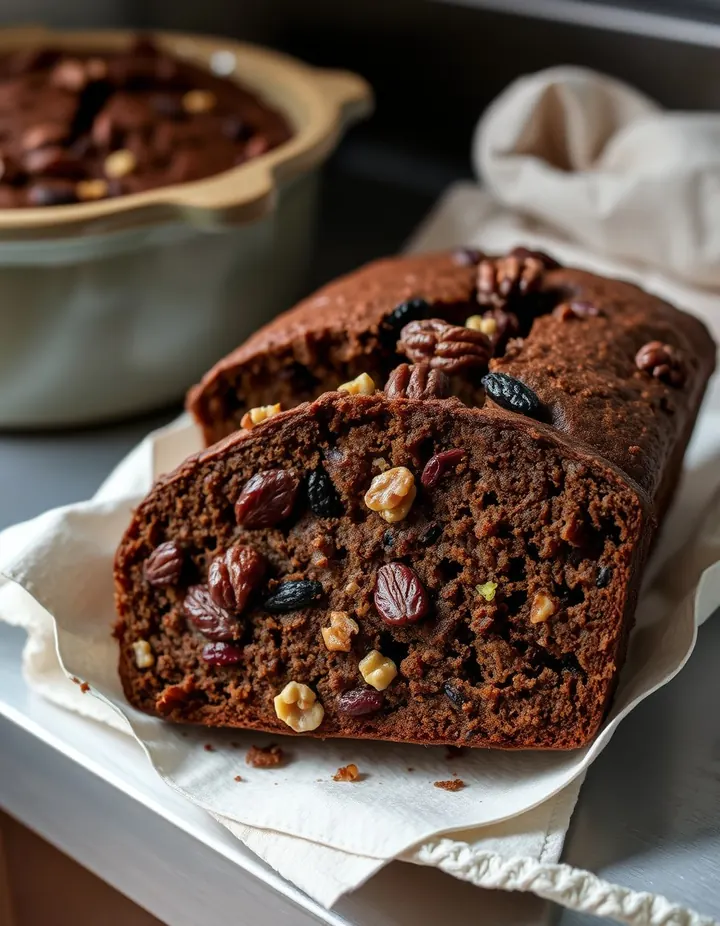 Pork Cake107 recipes
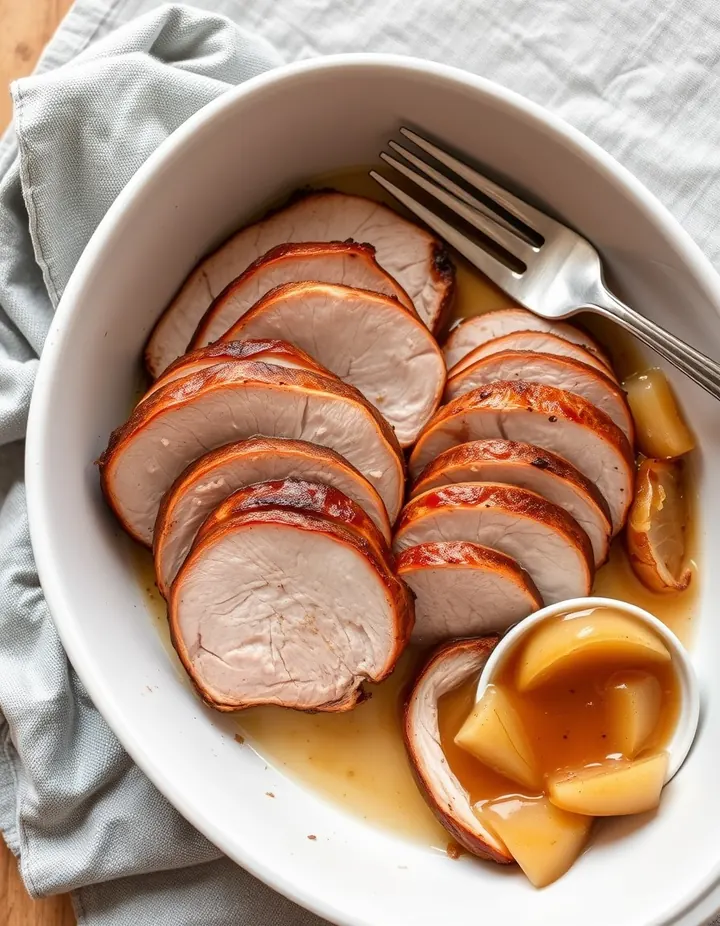 Roast Pork82 recipes
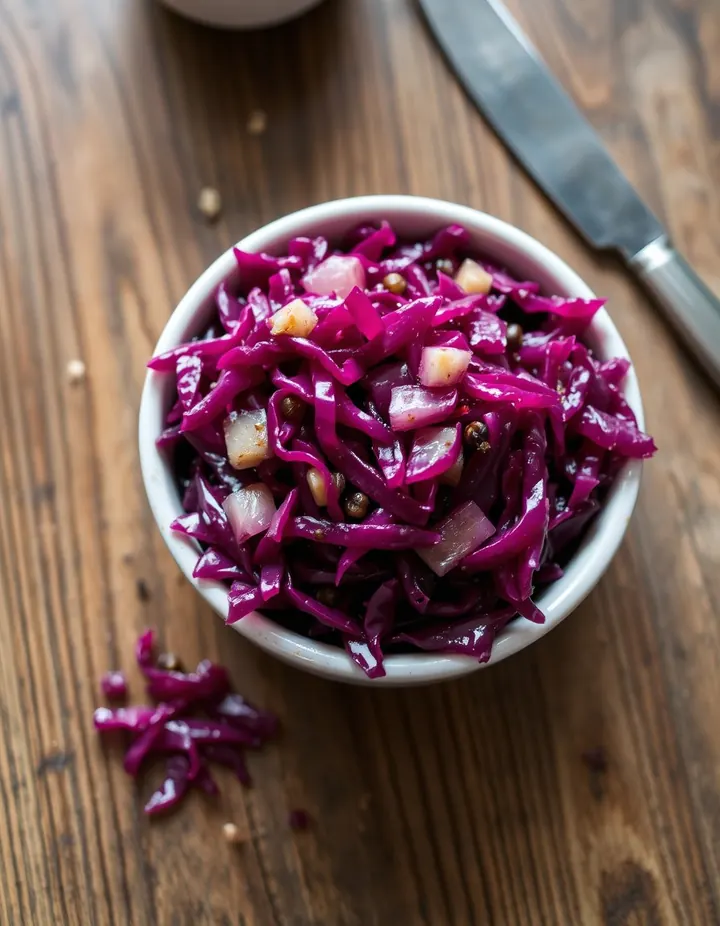 Red Cabbage65 recipes
The free Flavor Lab newsletter: one surprising pairing a week and the molecular reason it works, in 60 seconds. No spam, unsubscribe anytime.
Prefer an account? Create a free account to save pairings and unlock the full chemistry.