Why it works: Apple and apricot match in chemistry and in kitchens. They rank in the top 2% of all ingredient pairs, and cooks put them together in 777 recipes. Both carry gamma-undecalactone, which smells peach, sweet. The science ↓
Iced Timbale
Ingredients
Directions
The book says “a moderate oven”. The 350°F (175°C) in the steps is the modern equivalent, not the book's own figure.
Prepare the shell and filling
Line a 3‑pint timbale mold with ¼ pound of pie paste.
In a saucepan, combine apples, powdered sugar, butter, cold water, and salt. Cover and cook for 10 minutes.
Add apricot marmalade to the apples and stir gently for 4 minutes.
Cover the bottom and sides of the timbale with ½ pound of boiled rice.
Pour the apple mixture into the mold, top with the remaining rice, and cover with 1½ ounces of pie paste.
Bake and chill
Bake in a 350°F (175°C) oven for 30 minutes until golden.
Cool for at least 2 hours, then turn onto a dessert dish.
Freeze and serve
Place in a freezer, cover, and surround with chopped ice and rock salt. Freeze for 1.5 hours.
Remove the cover carefully to avoid ice or salt falling in.
Whip 1 pint of cream with ⅓ cup of maraschino for 2 minutes.
Pour the whipped cream over the timbale and serve immediately.
Transcribed from a scanned cookbook and modernised for today's kitchens. Where the book gave no heat or time, or said "a moderate oven", the temperatures and times here may be modern equivalents rather than the book's own figures.
Explore the science
The flavor team
The pairs that carry this dish. Each one is judged two ways: how much their aromas overlap, and how often cooks already put them together.
-
Apple + apricottop 2% of all pairsSmell alikestrongCooked together777 recipes
Shared aroma: gamma-undecalactone (peach, sweet).
-
Butter + creamtop 8% of all pairsSmell alikemoderateCooked together41,516 recipes
Shared aroma: delta-dodecalactone (sweet, creamy).
-
Sugar + creamtop 9% of all pairsSmell alikemoderateCooked together43,450 recipes
Shared aroma: 2,3-butanedione (butter, sweet).
-
Rice + apricottop 13% of all pairsSmell alikemoderateCooked together353 recipes
Shared aroma: gamma-undecalactone (peach, sweet).
-
Rice + appletop 13% of all pairsSmell alikemoderateCooked together1,311 recipes
Shared aroma: trans-2-nonenal (cardboard, fatty).
Ranks compare each pair with 20,000 random ingredient pairs on CompKitchen. How we score pairs
What each ingredient does
- Boiled rice
- Forms the absorbent base and lining that holds the apple filling in shape.
- Apples
- Provide the main filling body, softening into a tender, moist layer when cooked.
- Pie paste
- Forms the sturdy pastry shell and top that encloses the filling while baking.
- Powdered sugar
- Sweetens the apple filling and dissolves easily into the cooking juices.
- Whipped cream
- Adds a light, rich fat-based topping that contrasts with the frozen dessert.
- Apricot marmalade
- Adds fruity sweetness and acidity to the apple filling.
The step that matters
Cool fully before unmolding. The timbale must be cooled for at least 2 hours so the filling sets and holds its shape when turned out. Unmolding while warm can cause the filling to slump and the crust to break.
Swap the apple
How well each one fits the dish's main ingredients (rice, sugar, butter, apricot, cream):
- Vanillafits better
- Peachfits better
- Coconutfits better
- Applethe original
Fit is the average pairing score against rice, sugar, butter, apricot, cream. Candidates are from the same food group and used in at least 100 recipes.
“What each ingredient does” and “The step that matters” were written by Claude from this recipe’s own method and reviewed in samples by CompKitchen.
You might also like
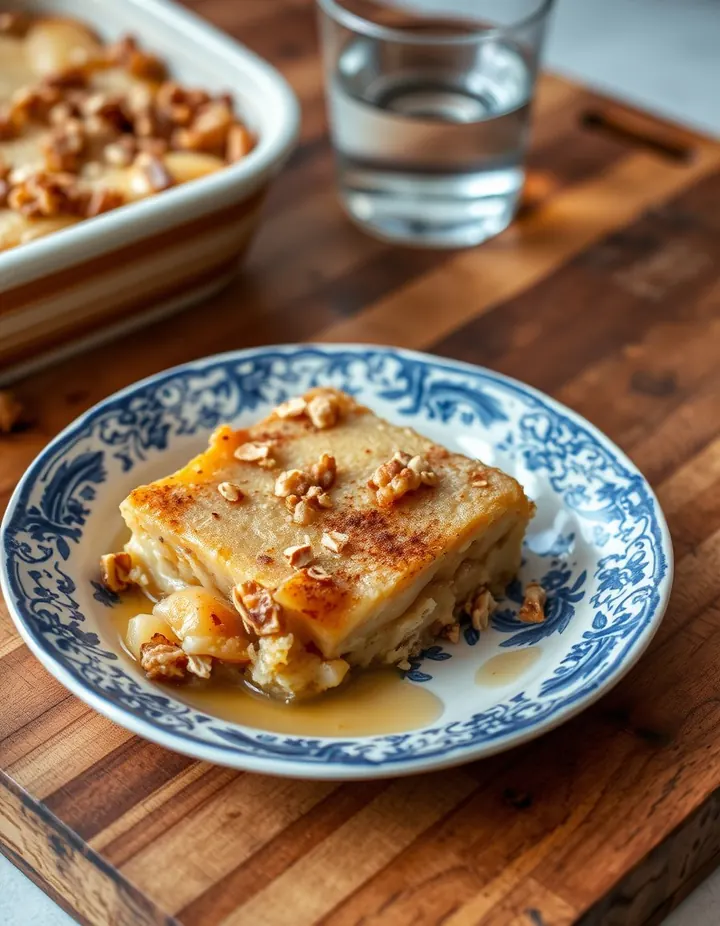 Apple Pudding256 recipes
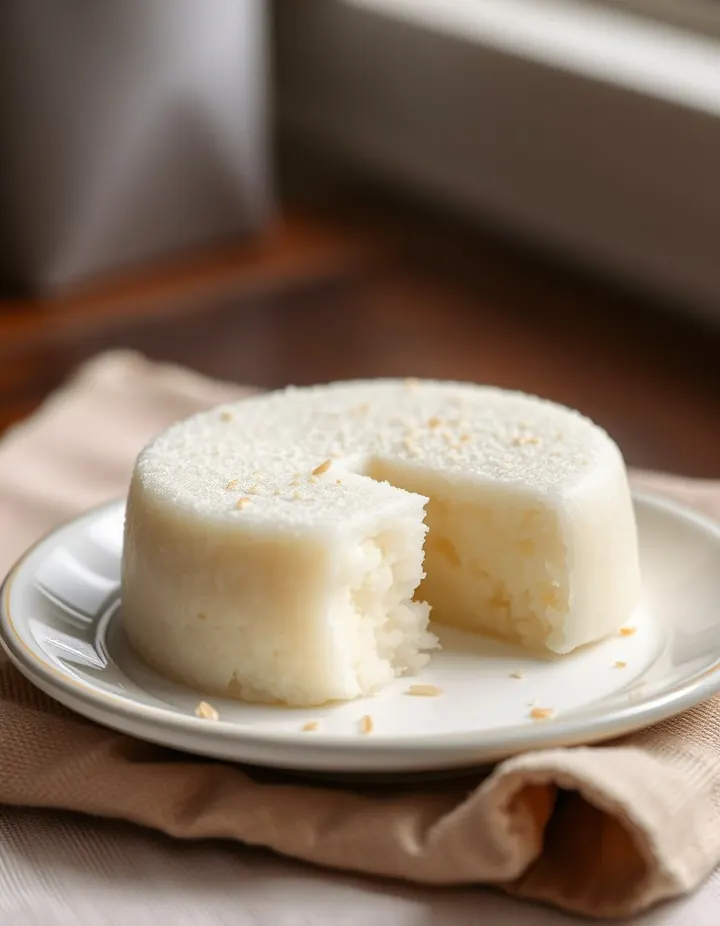 Rice Cake120 recipes
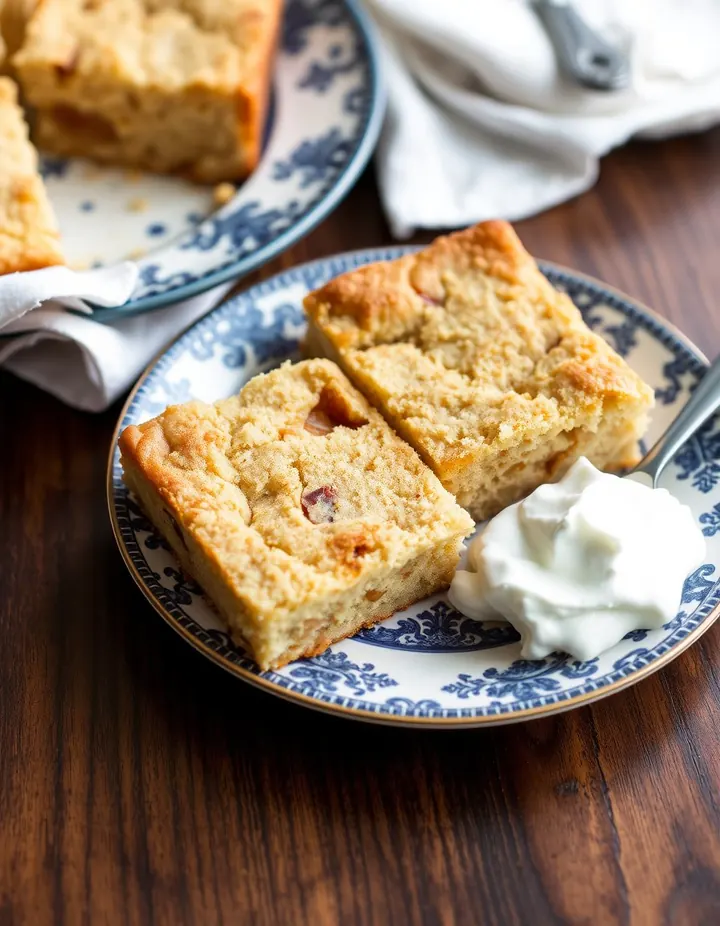 Apple Cake80 recipes
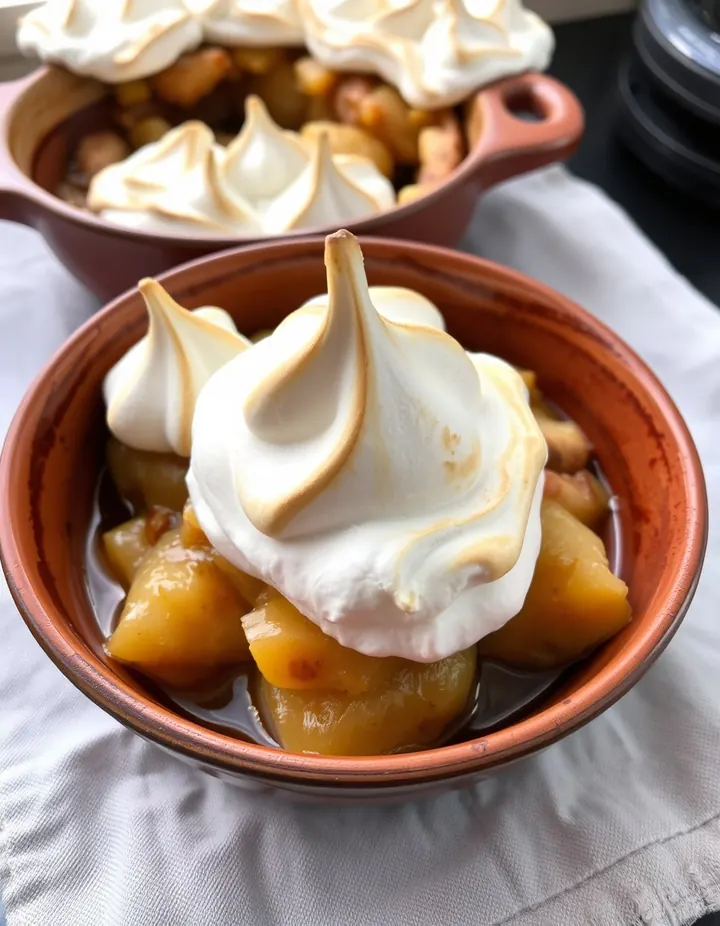 Apple Meringue75 recipes
The free Flavor Lab newsletter: one surprising pairing a week and the molecular reason it works, in 60 seconds. No spam, unsubscribe anytime.
Prefer an account? Create a free account to save pairings and unlock the full chemistry.