Why it works: Thyme and marjoram match in chemistry and in kitchens. They rank in the top 1% of all ingredient pairs, and cooks put them together in 2,225 recipes. Both carry terpineol, which smells pine, woody. The science ↓
Braised Fillets of Beef
Ingredients
Directions
The book says “a hot oven”. The 400°F (200°C) in the steps is the modern equivalent, not the book's own figure.
Prepare the beef
Cut the fillet of beef into 7 to 9 slices, each about ⅓ inch thick.
Shape the pieces into the size of a breakfast cup.
Pat each fillet dry with a clean cloth.
Cut the bacon into strips, ⅛ inch thick and 1 inch long.
Use a larding needle to insert bacon strips into the fillets in regular rows.
Braise and brown
Arrange the larded fillets in a sauté pan.
Add the bouquet garni and the cleaned vegetables to the pan.
Pour in enough stock to cover the bottom of the pan without submerging the fillets.
Baste the fillets continually.
Cut a piece of buttered paper to fit the sauté pan and place it over the fillets when the stock boils.
Remove the paper and baste frequently, replacing it each time.
Place the sauté pan in a hot oven at 400°F (200°C) for 30 minutes to brown the meat.
Finish the sauce
Remove the meat and reduce the stock.
Transcribed from a scanned cookbook and modernised for today's kitchens. Where the book gave no heat or time, or said "a moderate oven", the temperatures and times here may be modern equivalents rather than the book's own figures.
Explore the science
The flavor team
The pairs that carry this dish. Each one is judged two ways: how much their aromas overlap, and how often cooks already put them together.
-
Thyme + marjoramtop 1% of all pairsSmell alikestrongCooked together2,225 recipes
Shared aroma: terpineol (pine, woody).
-
Parsley + thymetop 1% of all pairsSmell alikestrongCooked together9,057 recipes
Shared aroma: cuminaldehyde (Spicy, cumin).
-
Parsley + marjoramtop 1% of all pairsSmell alikestrongCooked together1,979 recipes
Shared aroma: cuminaldehyde (Spicy, cumin).
-
Carrot + parsleytop 1% of all pairsSmell alikestrongCooked together8,053 recipes
Shared aroma: 2,4-decadienal (seaweed).
-
Carrot + celerytop 1% of all pairsSmell alikestrongCooked together10,173 recipes
Shared aroma: myristicin (spice, warm).
Ranks compare each pair with 20,000 random ingredient pairs on CompKitchen. How we score pairs
What each ingredient does
- Fillet of beef
- Forms the main meat, which becomes tender and flavorful during slow braising.
- Bacon fat
- Adds fat and savory flavor that moistens the lean beef as it cooks.
- Stock
- Provides liquid for gentle braising and becomes the base for the reduced sauce.
- Carrots
- Release sweetness and aroma into the braising liquid.
- Onion
- Adds savory aromatic flavor to the stock as it braises.
The step that matters
Basting and the buttered paper. Basting keeps the surface of the meat moist so it browns rather than dries. The buttered paper traps steam and heat around the fillets, helping them cook evenly while the stock stays at a gentle simmer and does not submerge the meat.
Swap the parsley
The recipe marks parsley as optional. How well each one fits the dish's main ingredients (beef, carrot, celery, onion, thyme, marjoram, shallot):
- Winter savoryfits about as well
- Parsleythe original
- Tarragonfits less well
- Rosemaryfits less well
Fit is the average pairing score against beef, carrot, celery, onion, thyme, marjoram, shallot. Candidates are from the same food group and used in at least 100 recipes.
“What each ingredient does” and “The step that matters” were written by Claude from this recipe’s own method and reviewed in samples by CompKitchen.
You might also like
 Roast Beef211 recipes
 Beef Loaf175 recipes
 Carrot Soup134 recipes
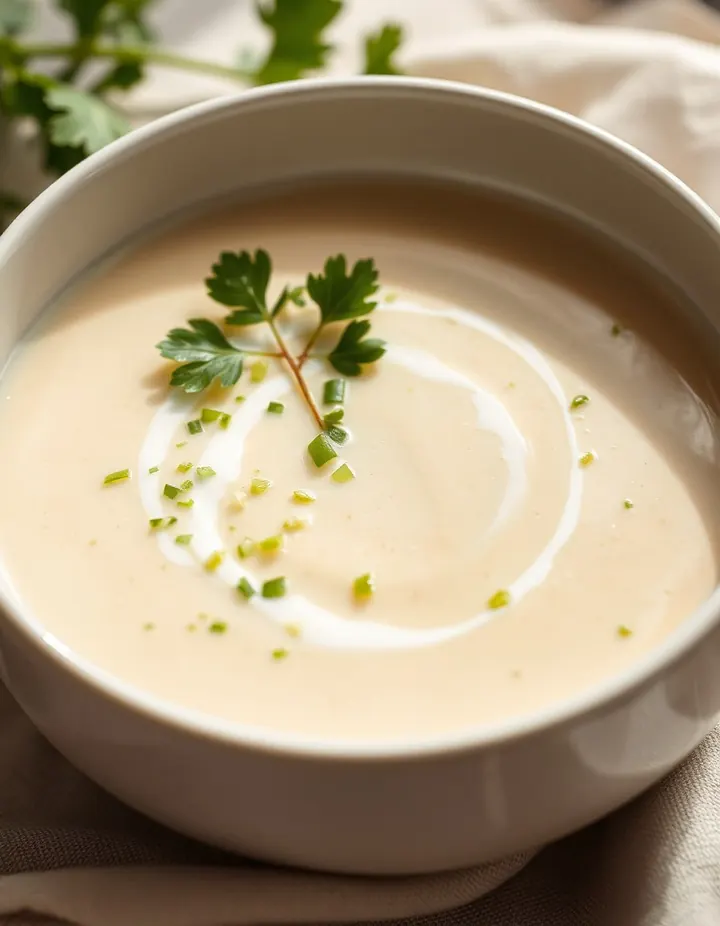 Cream of Celery Soup113 recipes
The free Flavor Lab newsletter: one surprising pairing a week and the molecular reason it works, in 60 seconds. No spam, unsubscribe anytime.
Prefer an account? Create a free account to save pairings and unlock the full chemistry.