Why it works: Tarragon and chervil match in chemistry and in kitchens. They rank in the top 1% of all ingredient pairs, and cooks put them together in 824 recipes. Both carry estragole, which smells anise, licorice. The science ↓
Fish or Game Salad
Ingredients
Directions
Prepare the fish
Take the remains of any cold boiled fish.
Cut the fish pieces into small scallops or neat pieces about 1.5 inches.
Dip the fish pieces into mayonnaise sauce.
Prepare the greens
Prepare two young heads of lettuce, a little endive, and watercress.
Drain the greens in a colander.
Dry the greens in a clean cloth by shaking.
Break the lettuce, watercress, and endive into pieces about ¾ inch long.
Mince a small sprig of chervil, two leaves of tarragon, and a few leaves of sorrel.
Peel one cucumber and slice it.
Peel one beetroot and slice it.
Mix all ingredients thoroughly.
Assemble and garnish
Rub the serving dish with garlic.
Layer the green vegetables at the bottom of the dish.
Add a layer of cold fish, meat, chicken, lobster, shrimp, fowl, or game.
Spread a thin layer of mayonnaise sauce on top.
Continue layering with vegetables.
Finish with a layer of mayonnaise sauce on top.
Garnish with nasturtium flowers.
Arrange some beetroot and cucumber around the edge of the dish.
Optionally, add hard-boiled eggs, olives, or aspic jelly for decoration.
Transcribed from a scanned cookbook and modernised for today's kitchens. Where the book gave no heat or time, or said "a moderate oven", the temperatures and times here may be modern equivalents rather than the book's own figures.
Explore the science
The flavor team
The pairs that carry this dish. Each one is judged two ways: how much their aromas overlap, and how often cooks already put them together.
-
Tarragon + cherviltop 1% of all pairsSmell alikestrongCooked together824 recipes
Shared aroma: estragole (anise, licorice).
-
Lettuce + cherviltop 1% of all pairsSmell alikestrongCooked together396 recipes
Shared aroma: coumarin (sweet, hay).
-
Lettuce + beetroottop 1% of all pairsSmell alikestrongCooked together678 recipes
Shared aroma: 2-isobutyl-3-methoxypyrazine (green bell pepper, earthy).
-
Beetroot + cherviltop 1% of all pairsSmell alikestrongCooked together126 recipes
Shared aroma: coumarin (sweet, hay).
-
Lettuce + cucumbertop 1% of all pairsSmell alikestrongCooked together1,409 recipes
Shared aroma: 2-isopropyl-3-methoxypyrazine (earthy, pea).
Ranks compare each pair with 20,000 random ingredient pairs on CompKitchen. How we score pairs
What each ingredient does
- Cold fish
- Provides the main protein and savoury body of the salad.
- Mayonnaise sauce
- Adds fat and moisture, binding the fish and coating the greens richly.
- Lettuce
- Forms the crisp, watery base layer that gives the salad its fresh texture.
- Beetroot
- Adds earthy sweetness and a striking colour contrast to the layers.
- Cucumber
- Contributes cool, crisp moisture and a light refreshing bite.
- Tarragon
- Adds a sharp, aromatic anise-like flavour that lifts the rich mayonnaise.
The step that matters
Dry the greens thoroughly before layering. Water left on the leaves dilutes the mayonnaise sauce and makes the greens limp, so drying them well keeps the layers crisp and the dressing thick.
Swap the cucumber
How well each one fits the dish's main ingredients (lettuce, beetroot, egg, fish, tarragon, chervil, sauce):
- Shallotfits better
- Chivefits better
- Horseradishfits better
- Cucumberthe original
Fit is the average pairing score against lettuce, beetroot, egg, fish, tarragon, chervil, sauce. Candidates are from the same food group and used in at least 100 recipes.
“What each ingredient does” and “The step that matters” were written by Claude from this recipe’s own method and reviewed in samples by CompKitchen.
You might also like
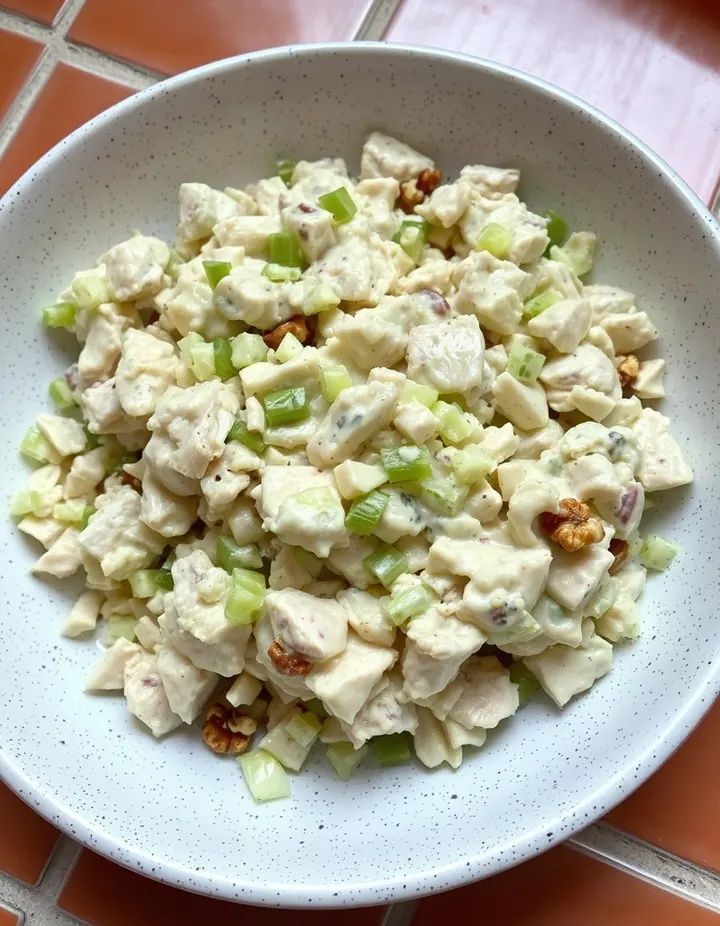 Chicken Salad623 recipes
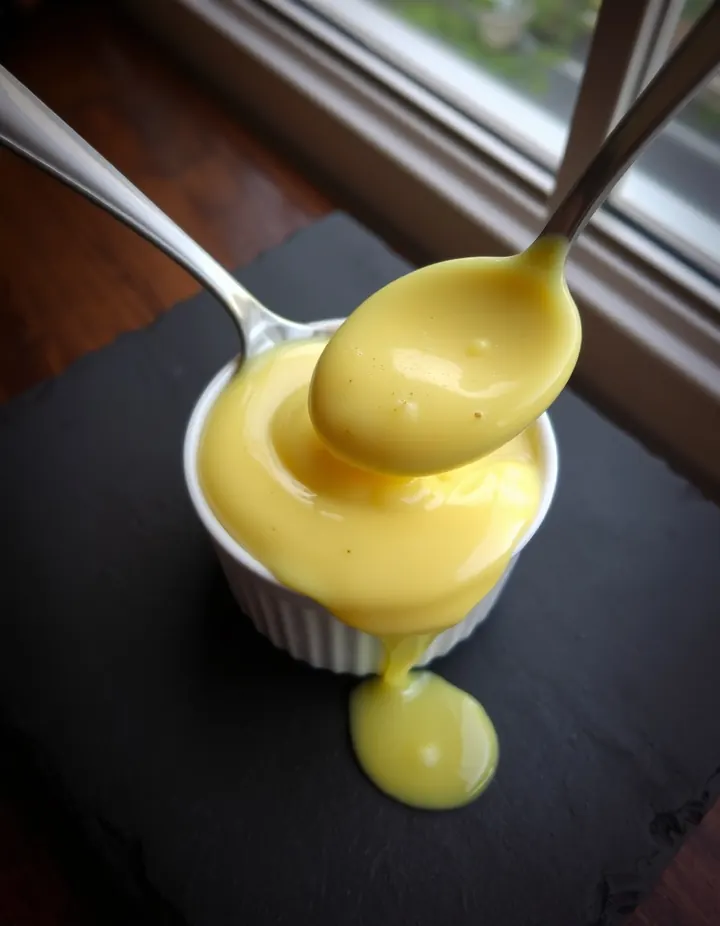 Salad Dressing491 recipes
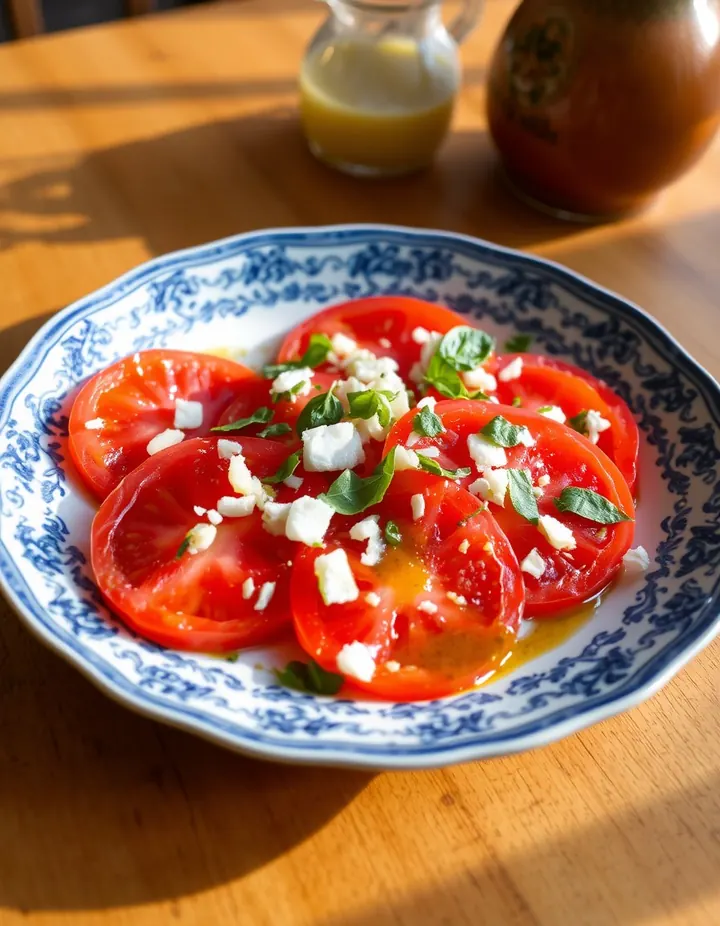 Tomato Salad179 recipes
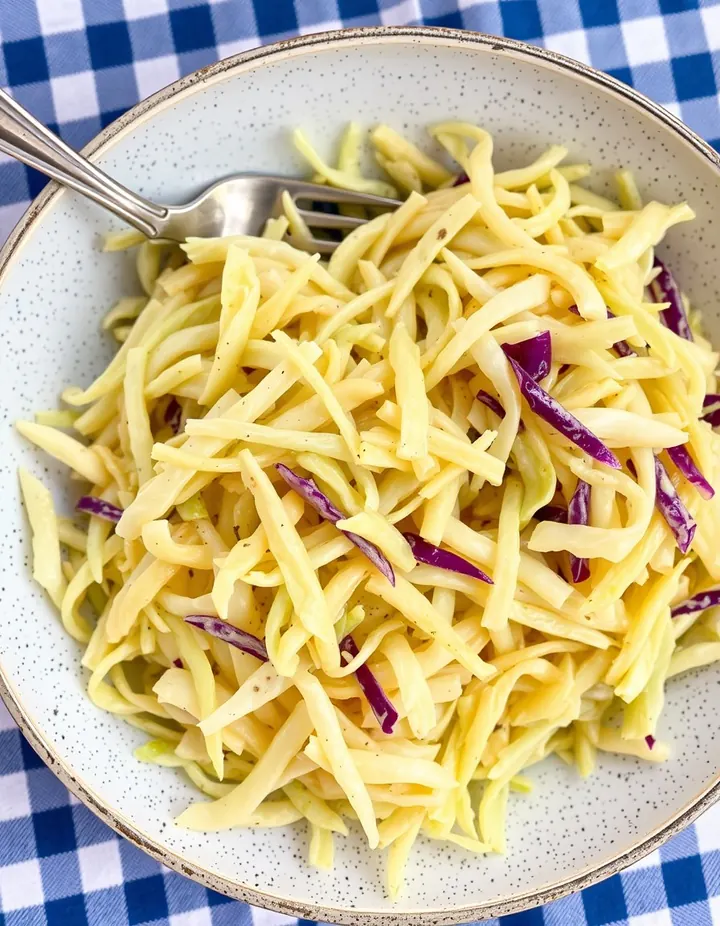 Cold Slaw160 recipes
The free Flavor Lab newsletter: one surprising pairing a week and the molecular reason it works, in 60 seconds. No spam, unsubscribe anytime.
Prefer an account? Create a free account to save pairings and unlock the full chemistry.