Why it works: Liver and veal match in chemistry and in kitchens. They rank in the top 3% of all ingredient pairs, and cooks put them together in 392 recipes. Both carry enoic acid, which smells butter, cheesy. The science ↓
Purée of Endive, with Liver-quenelles
Ingredients
Directions
Prepare the endive
Pick and wash the endive, then cut it across transversally.
Plunge the endive into boiling salted water and boil for 10 minutes.
Drain and refresh the endive, then press out the water and chop it.
Make the purée
In a stewpan, melt the butter and fry the endive until moisture is reduced.
Season the endive and sprinkle with flour, then moisten with hot broth, stirring until boiling.
Add a pinch of sugar and cook for 25 minutes, then pass through a sieve.
Thicken the soup with egg yolks and finish with a piece of butter.
Make the liver quenelles
Remove the gall from the chicken livers, chop them, and mix with chopped veal kidney suet and soaked bread crumbs.
Add chopped parsley, whole eggs, yolks, and a pinch of flour, mixing until well combined.
Shape the mixture into quenelles and poach in salted water until cooked.
Serve
Drain the quenelles and place them in a soup tureen, then pour the purée over them.
Transcribed from a scanned cookbook and modernised for today's kitchens. Where the book gave no heat or time, or said "a moderate oven", the temperatures and times here may be modern equivalents rather than the book's own figures.
Explore the science
The flavor team
The pairs that carry this dish. Each one is judged two ways: how much their aromas overlap, and how often cooks already put them together.
-
Liver + vealtop 3% of all pairsSmell alikestrongCooked together392 recipes
Shared aroma: enoic acid (butter, cheesy).
-
Endive + flourtop 8% of all pairsSmell alikestrongCooked together111 recipes
Shared aroma: isobutyraldehyde (malty, green).
-
Butter + flourtop 12% of all pairsSmell alikelowCooked together124,287 recipes
Shared aroma: isobutyraldehyde (malty, green).
-
Chicken + vealtop 13% of all pairsSmell alikemoderateCooked together2,243 recipes
Shared aroma: 3-butanedione (buttery, creamy).
-
Flour + sugartop 15% of all pairsSmell alikemoderateCooked together92,116 recipes
Shared aroma: phenylacetaldehyde (hawthorne, honey).
Butter and flour barely smell alike, yet cooks put them together in 124,287 recipes: they work on texture and structure more than aroma.
Ranks compare each pair with 20,000 random ingredient pairs on CompKitchen. How we score pairs
What each ingredient does
- Endive
- Forms the bulk of the purée, and its moisture is reduced by frying to concentrate flavour.
- Chicken livers
- Provide rich flavour and a soft, tender body to the quenelles.
- White bread crumbs
- Soak up liquid and help bind the quenelle mixture so it holds its shape.
- Eggs
- Bind the quenelle mixture and thicken the purée, setting it when heated.
- Egg yolks
- Thicken the purée and add richness and smoothness.
- Veal kidney suet
- Adds fat that keeps the quenelles moist and tender during cooking.
The step that matters
Thicken the soup with egg yolks. Egg yolks set when heated, so adding them to a very hot purée can scramble them. Let the purée cool slightly and stir gently to keep it smooth and lightly thickened.
Swap the endive
How well each one fits the dish's main ingredients (butter, flour, sugar, egg, chicken, liver, veal):
- Leekfits better
- Asparagusfits better
- Chivefits better
- Endivethe original
Fit is the average pairing score against butter, flour, sugar, egg, chicken, liver, veal. Candidates are from the same food group and used in at least 100 recipes.
“What each ingredient does” and “The step that matters” were written by Claude from this recipe’s own method and reviewed in samples by CompKitchen.
You might also like
 Brown Bread461 recipes
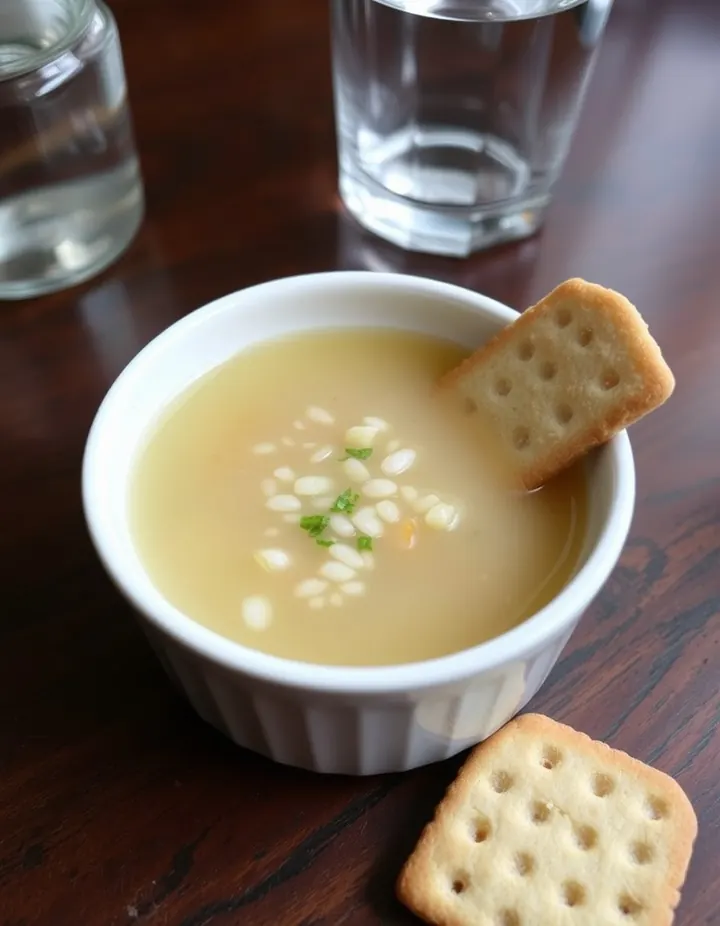 Chicken Broth257 recipes
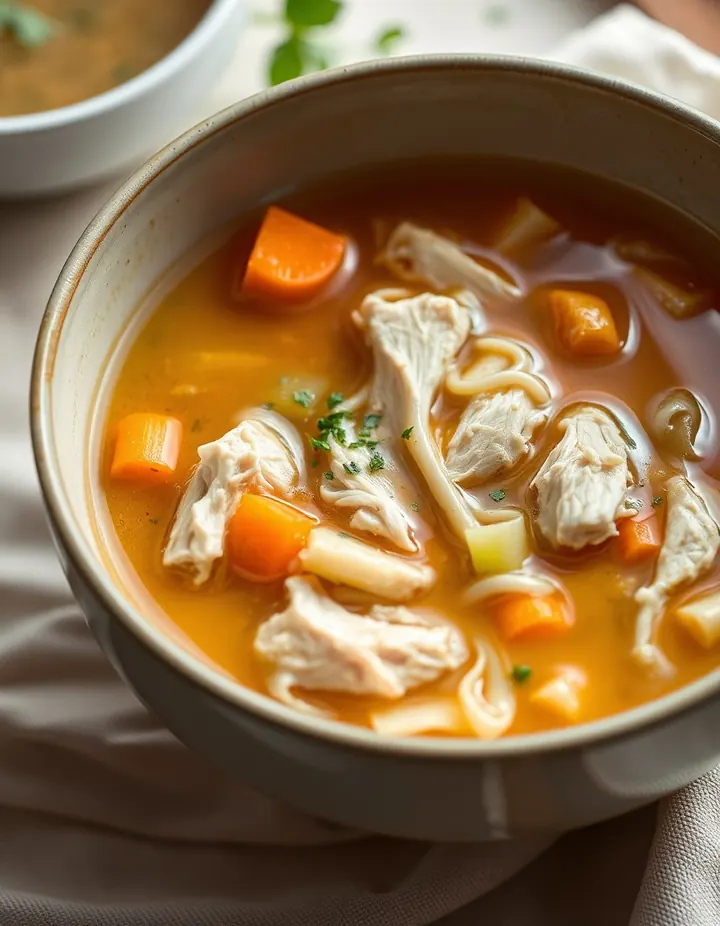 Chicken Soup156 recipes
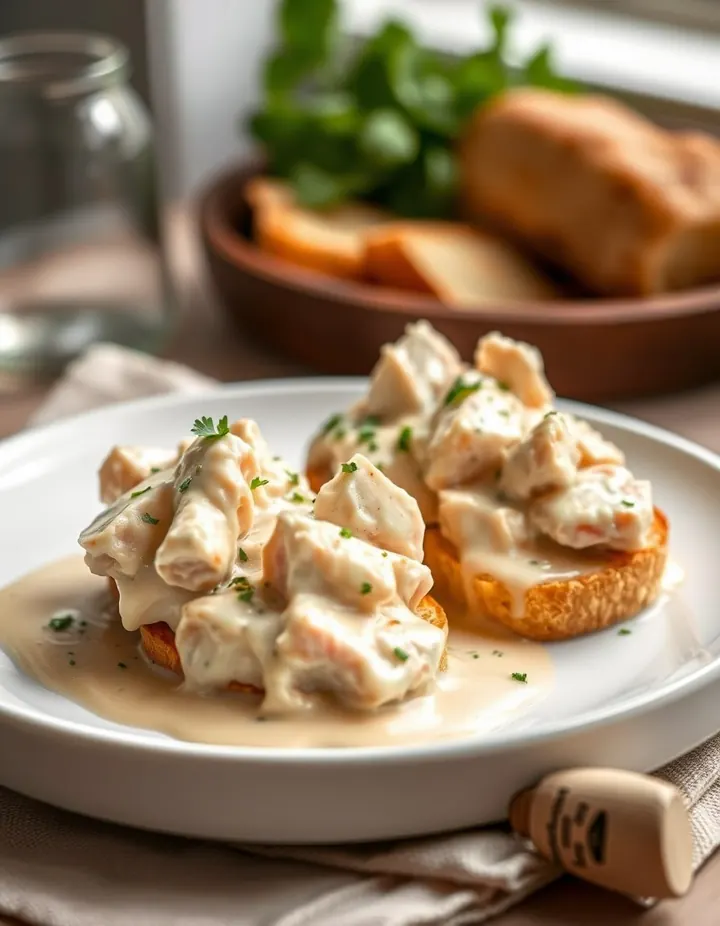 Creamed Chicken89 recipes
The free Flavor Lab newsletter: one surprising pairing a week and the molecular reason it works, in 60 seconds. No spam, unsubscribe anytime.
Prefer an account? Create a free account to save pairings and unlock the full chemistry.