Why it works: Truffle and veal work together. They rank in the top 11% of all ingredient pairs, and cooks put them together in 815 recipes. Both carry 2,4-nonadienal, which smells fatty, green. The science ↓
Poulard in Galantine
Ingredients
Directions
Prepare the pullet
Singe the pullet.
Cut off the leg bones and pinions at the joint.
Split the skin up the back and remove the pouch.
Cut the skin of the crop under the head to extend it as long as possible.
Remove the legs and wings from the body.
Detach the breast flesh from the back bones.
Bone the legs and cut the thickest flesh off, along with the breast flesh.
Cut the meat into medium-sized squares and place in a bowl with tongue and fat bacon.
Add truffles and pistachios.
Season with salt and spices.
Baste with sherry.
Make the force-meat
Chop the meat of the legs with lean veal and an equal amount of fat bacon.
Season the chopped mixture.
Pound the mixture in a mortar.
Pass it through a sieve.
Combine the force-meat with the pullet squares, truffles, and tongue.
Stuff and boil
Fill the boned pullet with the mixture.
Sew the pullet up completely.
Wrap in a small napkin.
Tie the napkin.
Boil in stock for 1.5 hours.
Finish and serve
Remove from stock.
Unpack the galantine.
Rewrap in a refreshed napkin under slight weight to cool.
Remove the napkin.
Glaze the galantine.
Serve the galantine whole or sliced.
Transcribed from a scanned cookbook and modernised for today's kitchens. Where the book gave no heat or time, or said "a moderate oven", the temperatures and times here may be modern equivalents rather than the book's own figures.
Explore the science
The flavor team
The pairs that carry this dish. Each one is judged two ways: how much their aromas overlap, and how often cooks already put them together.
-
Truffle + vealtop 11% of all pairsSmell alikelowCooked together815 recipes
Shared aroma: 2,4-nonadienal (fatty, green).
-
Truffle + meattop 13% of all pairsSmell alikemoderateCooked together527 recipes
Shared aroma: 1-octen-3-one (mushroom, metallic).
-
Truffle + pistachiotop 16% of all pairsSmell alikelowCooked together92 recipes
Shared aroma: nonanal (fat, citrus).
-
Truffle + sherrytop 17% of all pairsSmell alikemoderateCooked together297 recipes
Shared aroma: ethyl isobutyrate (fruity, ethereal).
-
Meat + vealtop 18% of all pairsSmell alikelowCooked together1,890 recipes
Shared aroma: 2,4-decadienal (seaweed).
Ranks compare each pair with 20,000 random ingredient pairs on CompKitchen. How we score pairs
What each ingredient does
- Pullet
- Provides the main body of meat that is boned, stuffed and shaped into the galantine.
- Lean veal
- Adds lean meat to the force-meat, giving it a finer, firmer body when pounded and sieved.
- Fat bacon
- Adds fat to the force-meat, keeping the chopped mixture moist and tender as it cooks.
- Truffles
- Add a strong, earthy aroma and flavour throughout the stuffing.
- Tongue
- Adds savoury, rich meat pieces that give the stuffing contrast in texture.
The step that matters
Boil in stock for 1.5 hours. Gentle simmering cooks the meat through while keeping the wrapped galantine moist; a hard boil can toughen the meat and break the napkin-wrapped shape.
Swap the pistachio
How well each one fits the dish's main ingredients (truffle, sherry, meat, veal):
- Peasfits better
- Walnutfits better
- Chestnutfits better
- Pistachiothe original
Fit is the average pairing score against truffle, sherry, meat, veal. Candidates are from the same food group and used in at least 100 recipes.
“What each ingredient does” and “The step that matters” were written by Claude from this recipe’s own method and reviewed in samples by CompKitchen.
You might also like
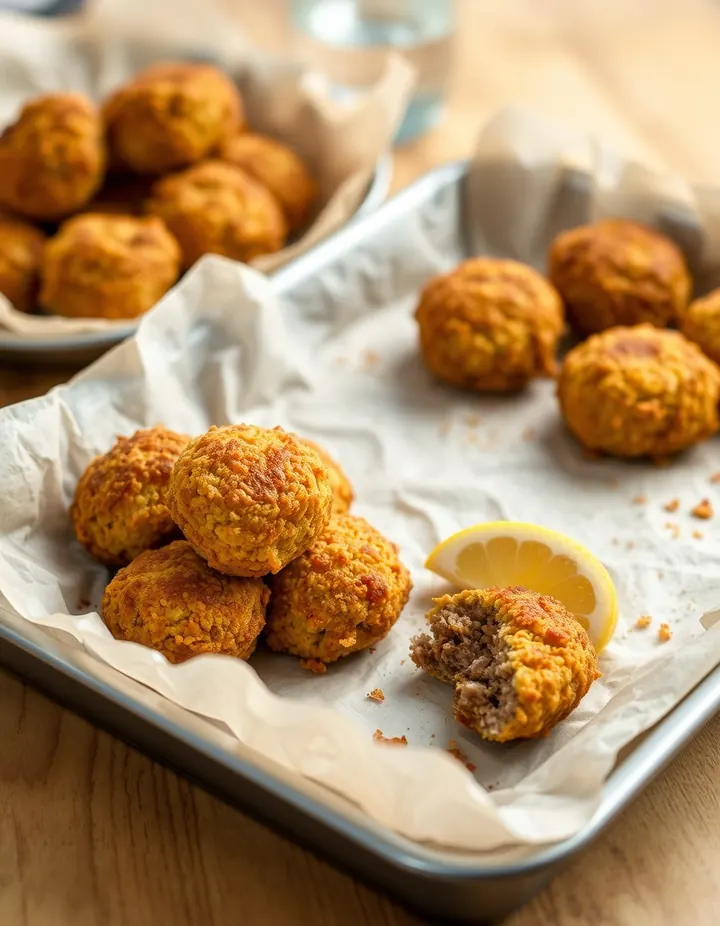 Meat Croquettes52 recipes
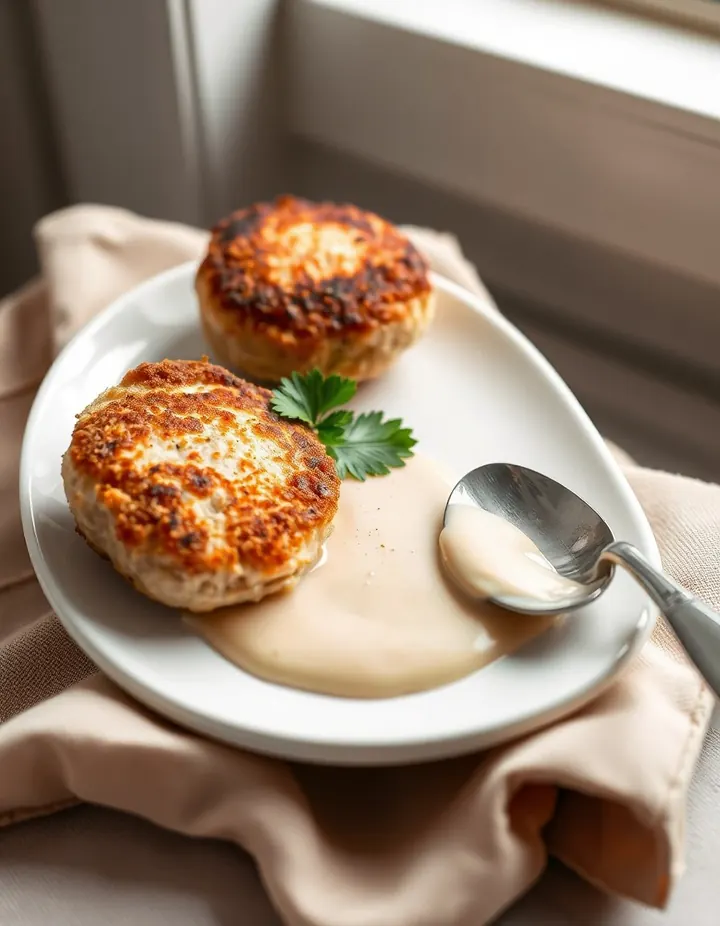 Veal Patties50 recipes
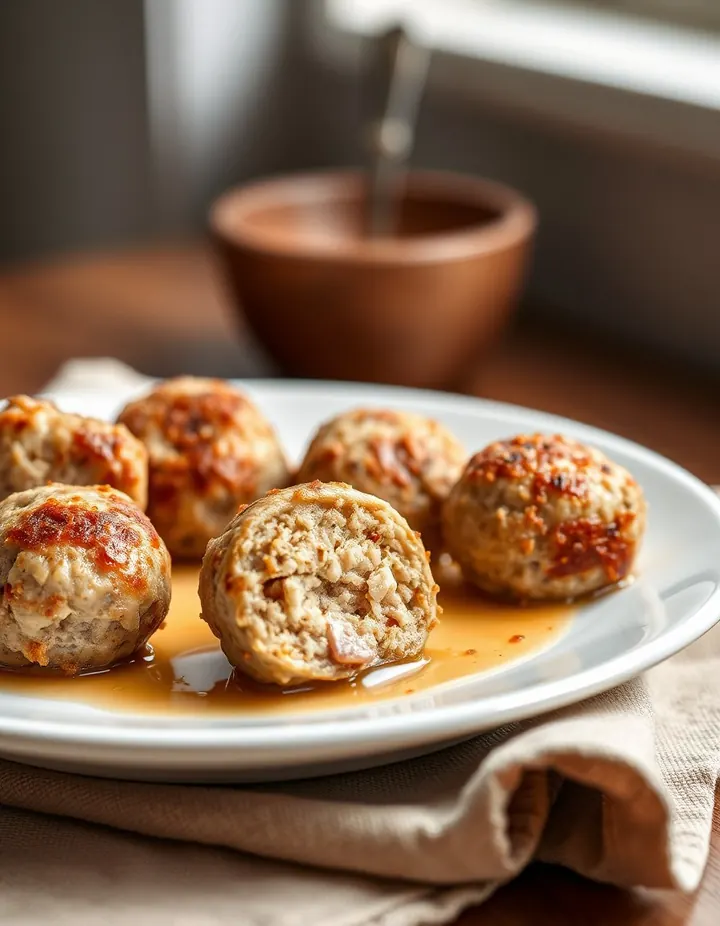 Meatballs37 recipes
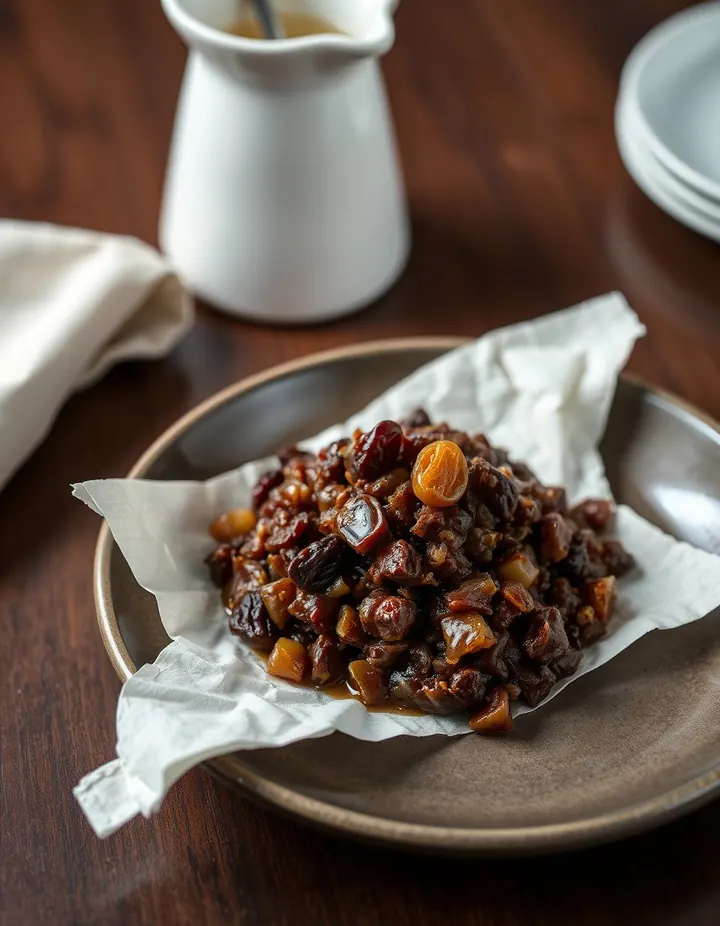 Mince Meat37 recipes
The free Flavor Lab newsletter: one surprising pairing a week and the molecular reason it works, in 60 seconds. No spam, unsubscribe anytime.
Prefer an account? Create a free account to save pairings and unlock the full chemistry.