Why it works: Cauliflower and radish share more aroma than cooks usually use. They rank in the top 1% of all ingredient pairs, and cooks put them together in 55 recipes. Both carry 2-methoxy-4-vinylphenol, which smells clove, smoky. The science ↓
Indian Pickle
Ingredients
Directions
Prepare the vegetables
Soak the ginger in water overnight.
Scrape the ginger.
Slice the ginger.
Salt the ginger in a pan until ready.
Peel the garlic.
Slice the garlic.
Salt the garlic for three days.
Dry the garlic in the sun.
Salt the long pepper.
Dry the long pepper.
Quarter the small white cabbages.
Salt the cabbages for three days.
Squeeze the cabbages.
Dry the cabbages in the sun.
Cut the cauliflower into branches.
Remove the greens from the radishes.
Cut the celery into three‑inch lengths.
Prepare the young French beans whole.
Prepare the elder shoots.
Dry them in the sun.
Slice or quarter the apples.
Slice or quarter the cucumbers.
Pickle and pack
Pour boiling vinegar over them.
Drain after twelve hours without using salt.
In a large stone jar, combine the spices.
Combine the garlic.
Combine the mustard seed.
Add enough vinegar for the vegetables.
Add turmeric.
When the vegetables are ready, place some in a two‑quart stone jar.
Pour one quart of the prepared vinegar mixture over them.
Transcribed from a scanned cookbook and modernised for today's kitchens. Where the book gave no heat or time, or said "a moderate oven", the temperatures and times here may be modern equivalents rather than the book's own figures.
Explore the science
The flavor team
The pairs that carry this dish. Each one is judged two ways: how much their aromas overlap, and how often cooks already put them together.
-
Cauliflower + radishtop 1% of all pairsSmell alikestrongCooked together55 recipes
Shared aroma: 2-methoxy-4-vinylphenol (clove, smoky).
-
Cabbage + cauliflowertop 1% of all pairsSmell alikestrongCooked together305 recipes
Shared aroma: 4'-methylacetophenone (bitter almond).
-
Cauliflower + beanstop 2% of all pairsSmell alikestrongCooked together290 recipes
Shared aroma: 2,3-pentanedione (butter, sweet).
-
Cabbage + radishtop 3% of all pairsSmell alikestrongCooked together106 recipes
Shared aroma: trans-2-hexenal (green, leafy).
-
Garlic + radishtop 5% of all pairsSmell alikestrongCooked together199 recipes
Shared aroma: coumarin (sweet, hay).
Ranks compare each pair with 20,000 random ingredient pairs on CompKitchen. How we score pairs
What each ingredient does
- Salt
- Draws water out of the vegetables, firming them and preparing them for pickling.
- Vinegar
- Acidity preserves the vegetables and gives the pickle its sharp, tangy flavour.
- Mustard seed
- Adds pungent, sharp flavour that deepens as the pickle matures in the vinegar.
- Turmeric
- Gives the pickle its characteristic yellow colour and a mild, earthy aroma.
The step that matters
Salting the cabbages and garlic for three days. Salt draws moisture out of the vegetables through osmosis. Too little salt or too short a time leaves them wet and soft, so the pickle can spoil or turn limp.
Swap the apple
How well each one fits the dish's main ingredients (ginger, garlic, cabbage, cauliflower, radish, celery, beans):
- Limefits better
- Lemonfits better
- Avocadofits better
- Applethe original
Fit is the average pairing score against ginger, garlic, cabbage, cauliflower, radish, celery, beans. Candidates are from the same food group and used in at least 100 recipes.
“What each ingredient does” and “The step that matters” were written by Claude from this recipe’s own method and reviewed in samples by CompKitchen.
More indian pickles recipes
You might also like
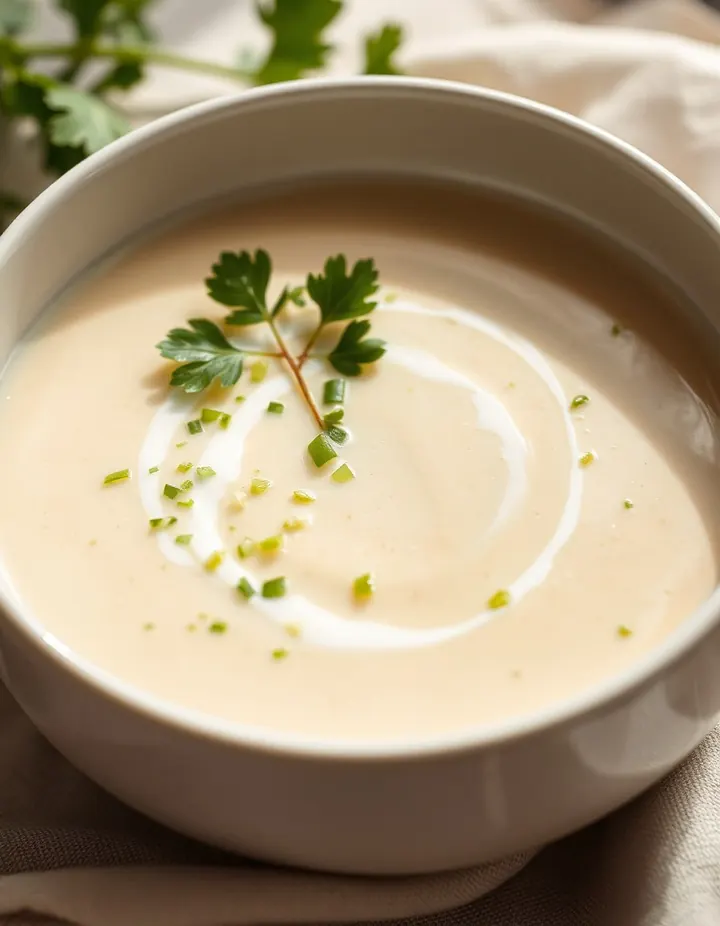 Cream of Celery Soup113 recipes
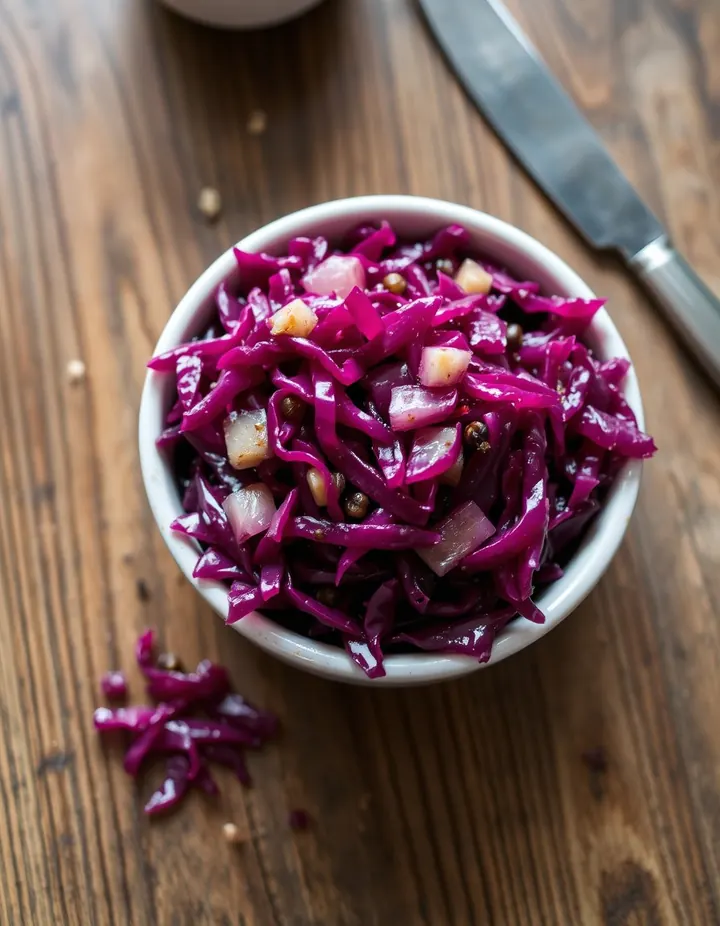 Red Cabbage65 recipes
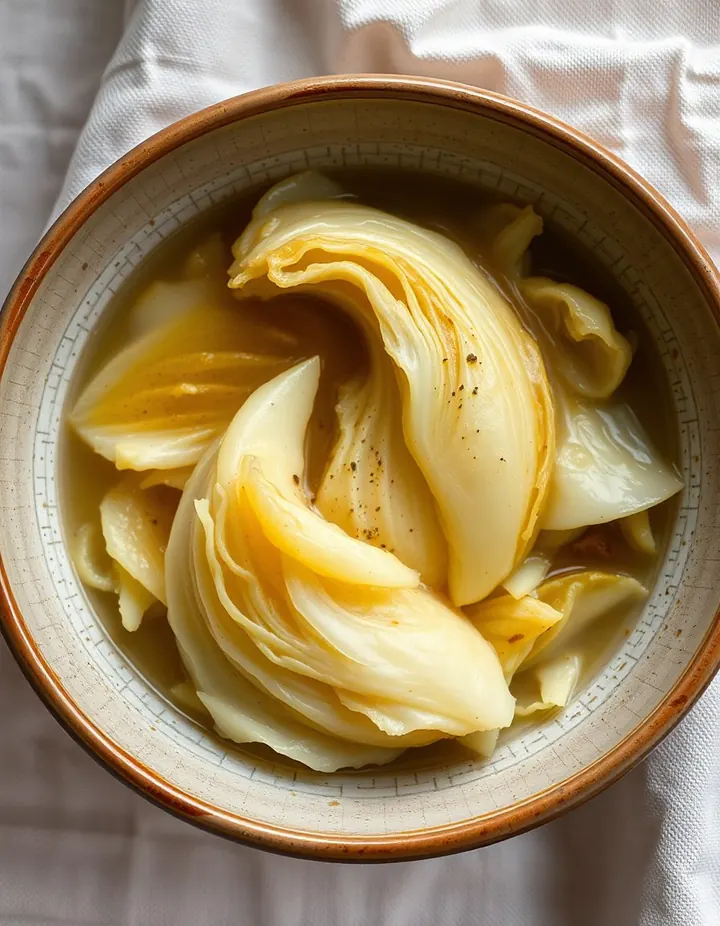 Stewed Cabbage58 recipes
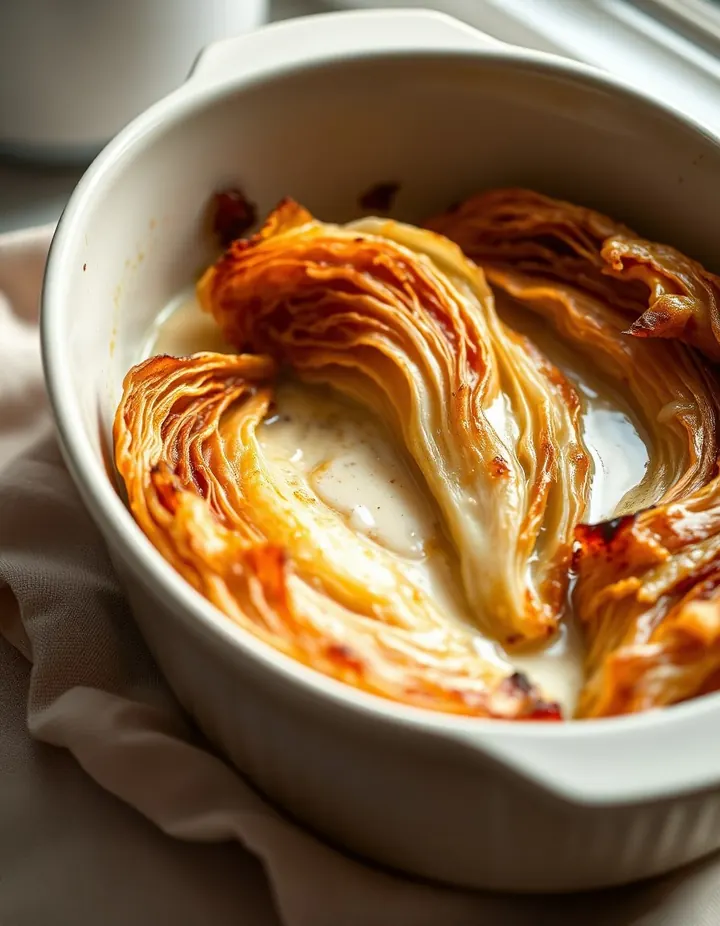 Baked Cabbage51 recipes
The free Flavor Lab newsletter: one surprising pairing a week and the molecular reason it works, in 60 seconds. No spam, unsubscribe anytime.
Prefer an account? Create a free account to save pairings and unlock the full chemistry.