Why it works: Clove and ginger match in chemistry and in kitchens. They rank in the top 1% of all ingredient pairs, and cooks put them together in 6,038 recipes. Both carry estragole, which smells anise, licorice. The science ↓
Excellent Elderberry Wine
Ingredients
Directions
Prepare the juice
Place the stripped elderberries in a large tub or earthen pan.
Pour boiling water over the berries and press them down.
Cover and let sit until the next day.
Strain the juice through a sieve or cloth.
Squeeze remaining juice from the berries and mix with the strained juice.
Make the wine
Add sugar, cloves, and ginger.
Boil for 20 minutes, skimming regularly.
When slightly warmer than milk, transfer to a clean cask or large stone bottles.
Add yeast and stir gently into the wine.
Transcribed from a scanned cookbook and modernised for today's kitchens. Where the book gave no heat or time, or said "a moderate oven", the temperatures and times here may be modern equivalents rather than the book's own figures.
Explore the science
The flavor team
The pairs that carry this dish. Each one is judged two ways: how much their aromas overlap, and how often cooks already put them together.
-
Clove + gingertop 1% of all pairsSmell alikestrongCooked together6,038 recipes
Shared aroma: estragole (anise, licorice).
-
Sugar + gingertop 17% of all pairsSmell alikelowCooked together14,054 recipes
Shared aroma: 1-penten-3-one (fish, pungent).
-
Sugar + clovetop 26% of all pairsSmell alikelowCooked together17,182 recipes
Shared aroma: 1-penten-3-one (fish, pungent).
Sugar and ginger barely smell alike, yet cooks put them together in 14,054 recipes: they work on texture and structure more than aroma.
Ranks compare each pair with 20,000 random ingredient pairs on CompKitchen. How we score pairs
What each ingredient does
- Elderberries
- Provide the main fruit flavour, colour and natural sugars for the wine.
- Sugar
- Feeds the yeast, which turns it into alcohol and carbon dioxide.
- Yeast
- Ferments the sugars in the juice into alcohol.
- Ginger
- Adds a warm, spicy aroma to the wine.
- Cloves
- Adds a warm, aromatic spice flavour to the wine.
The step that matters
Cooling before adding yeast. Yeast is killed by high heat, so the liquid must be only slightly warmer than milk before the yeast is stirred in. Adding yeast to hot liquid can stop fermentation before it starts.
Swap the clove
How well each one fits the dish's main ingredients (sugar, ginger):
- Cinnamonfits better
- Cardamomfits better
- Turmericfits about as well
- Clovethe original
Fit is the average pairing score against sugar, ginger. Candidates are from the same food group and used in at least 100 recipes.
“What each ingredient does” and “The step that matters” were written by Claude from this recipe’s own method and reviewed in samples by CompKitchen.
You might also like
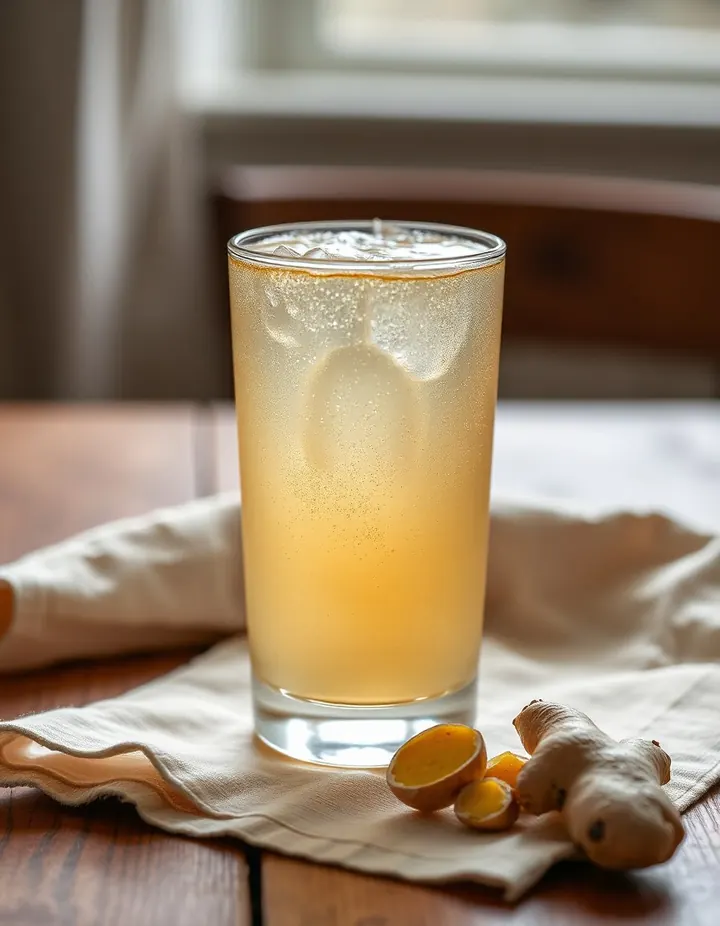 Ginger Pop22 recipes
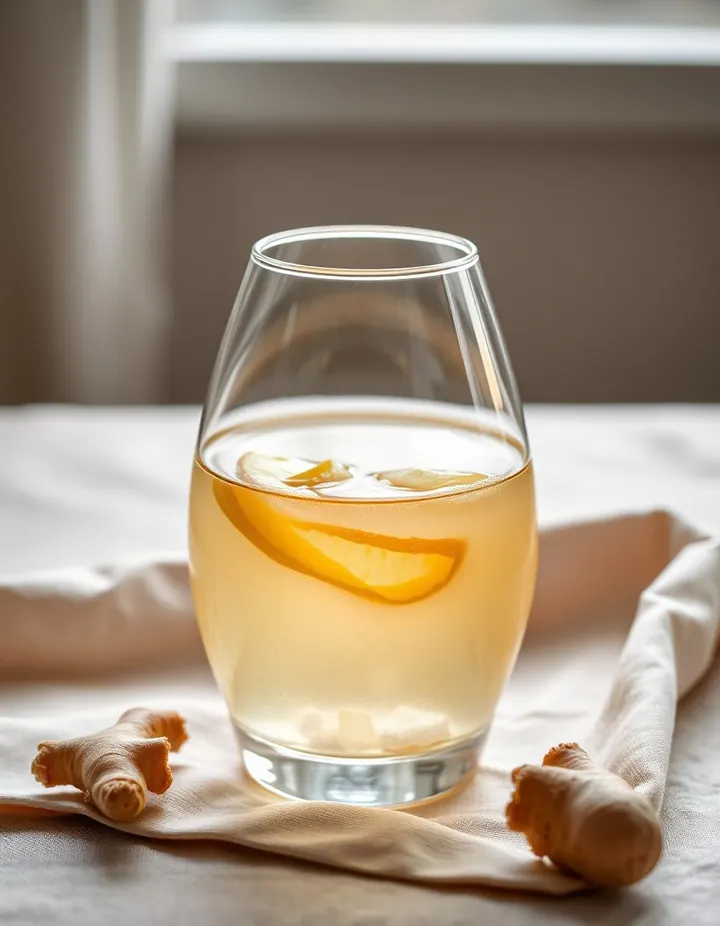 Ginger Wine12 recipes
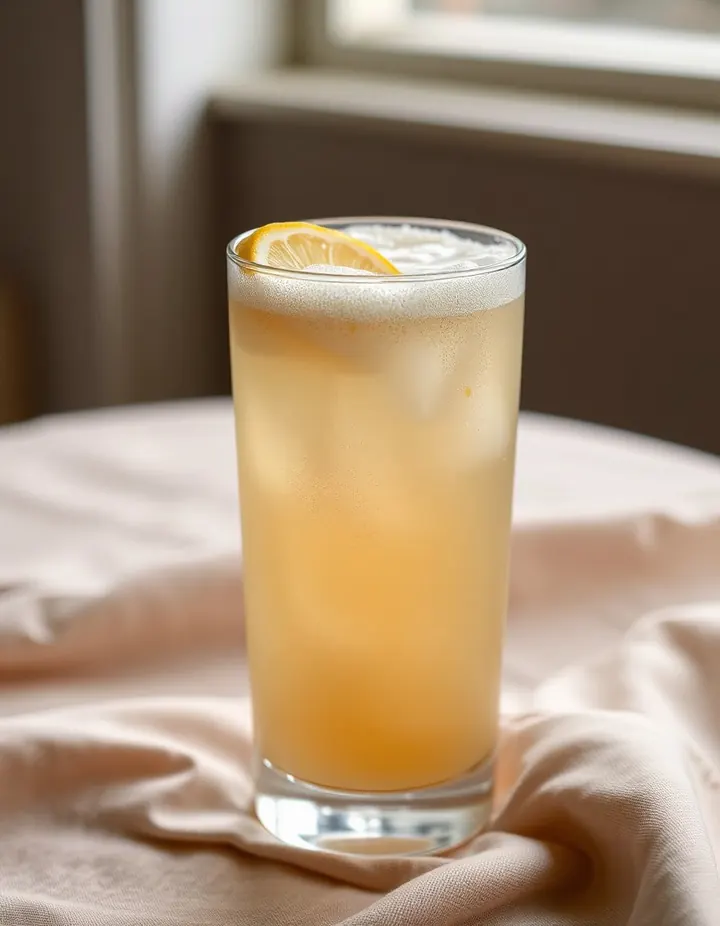 Ginger Beer11 recipes
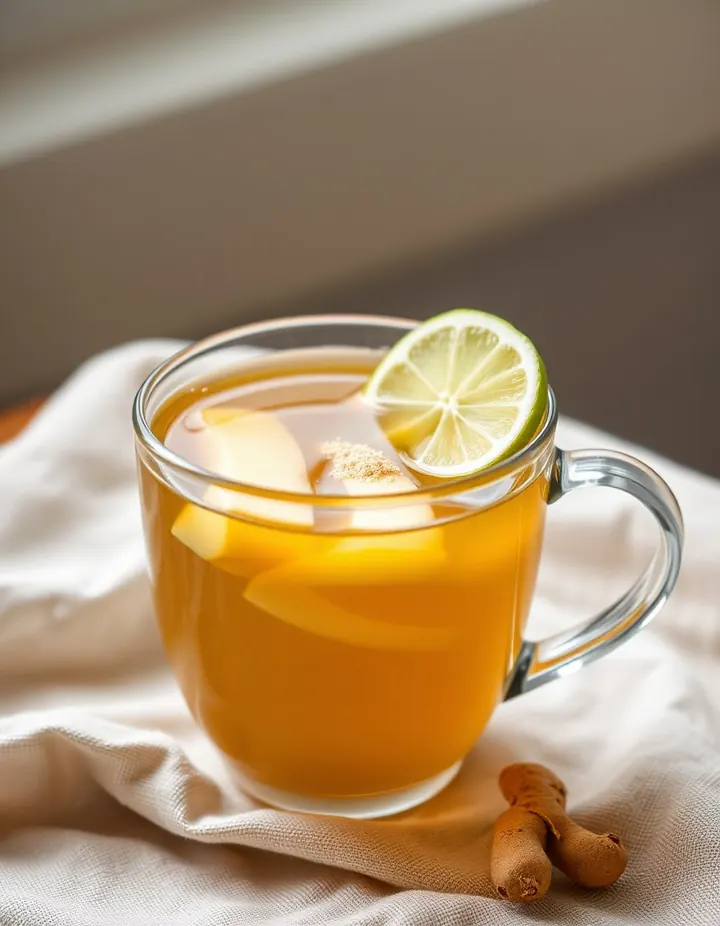 Ginger Tea9 recipes
The free Flavor Lab newsletter: one surprising pairing a week and the molecular reason it works, in 60 seconds. No spam, unsubscribe anytime.
Prefer an account? Create a free account to save pairings and unlock the full chemistry.