Why it works: Wine and brandy are a kitchen classic. They rank in the top 9% of all ingredient pairs, and cooks put them together in 2,427 recipes. Both carry gamma-nonanolactone, which smells coconut, sweet. The science ↓
To Bottle Gooseberries or Damsons
Ingredients
Directions
Prepare
Fill wide-mouthed bottles with gooseberries or damsons, shaking them down to fit as many as possible.
Add ½ cup of homemade wine to each bottle.
Cook and cool
Tie the bottles with bladders and place them in a large pot or boiler filled with cold water up to the necks of the bottles.
Bring the water to a boil.
When the bladders puff up, prick them.
Once boiling, remove the heat and let the bottles cool in the water.
Finish and seal
The next day, remove the bladders, add a thick layer of powdered sugar on top, and a tablespoon of brandy.
Cork the bottles tightly and seal them.
Transcribed from a scanned cookbook and modernised for today's kitchens. Where the book gave no heat or time, or said "a moderate oven", the temperatures and times here may be modern equivalents rather than the book's own figures.
Explore the science
The flavor team
The pairs that carry this dish. Each one is judged two ways: how much their aromas overlap, and how often cooks already put them together.
-
Wine + brandytop 9% of all pairsSmell alikemoderateCooked together2,427 recipes
Shared aroma: gamma-nonanolactone (coconut, sweet).
-
Sugar + brandytop 19% of all pairsSmell alikelowCooked together11,939 recipes
Shared aroma: beta-damascenone (apple, rose).
-
Wine + sugartop 31% of all pairsSmell alikelowCooked together9,581 recipes
Shared aroma: beta-damascenone (apple, rose).
Sugar and brandy barely smell alike, yet cooks put them together in 11,939 recipes: they work on texture and structure more than aroma.
Ranks compare each pair with 20,000 random ingredient pairs on CompKitchen. How we score pairs
What each ingredient does
- Gooseberries
- Provide the main fruit, whose firm flesh and tartness hold shape and flavor during bottling.
- Homemade wine
- Adds aroma and flavor and moisture to the fruit inside the sealed bottle.
- Powdered loaf sugar
- Adds sweetness that balances the tart fruit and helps preserve it.
- Brandy
- Adds alcohol that helps preserve the fruit and contributes a warm aroma.
The step that matters
Heating the bottles without boiling them dry. The bottles must stay submerged up to their necks while the water heats. Gentle, sustained heat drives air out of the fruit and helps seal the bottles, and removing the heat once boiling lets them cool slowly, reducing the risk of cracking the glass.
“What each ingredient does” and “The step that matters” were written by Claude from this recipe’s own method and reviewed in samples by CompKitchen.
You might also like
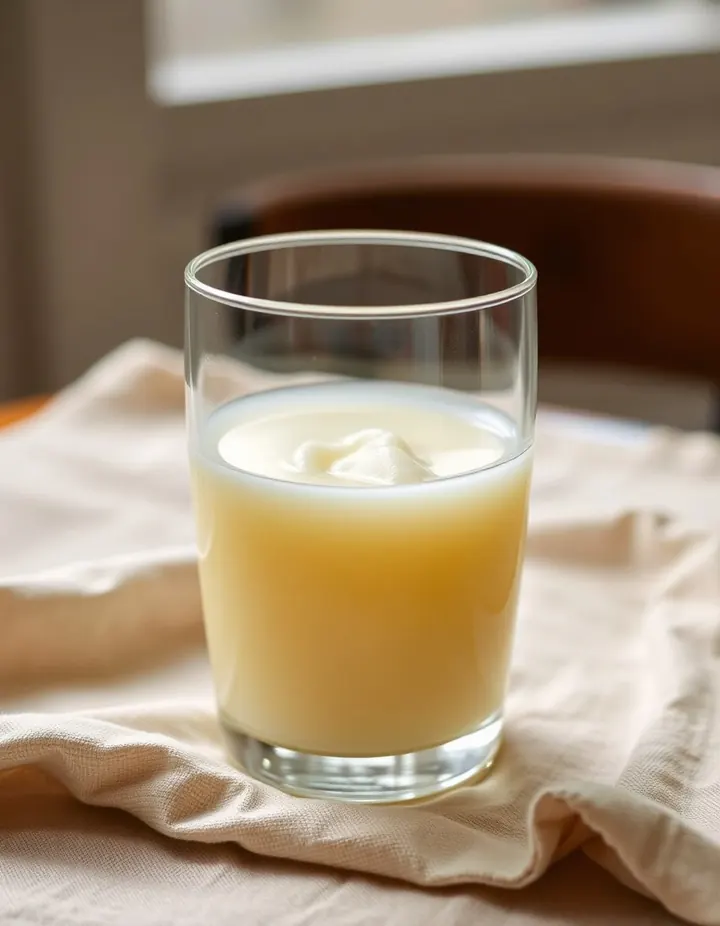 Wine Whey111 recipes
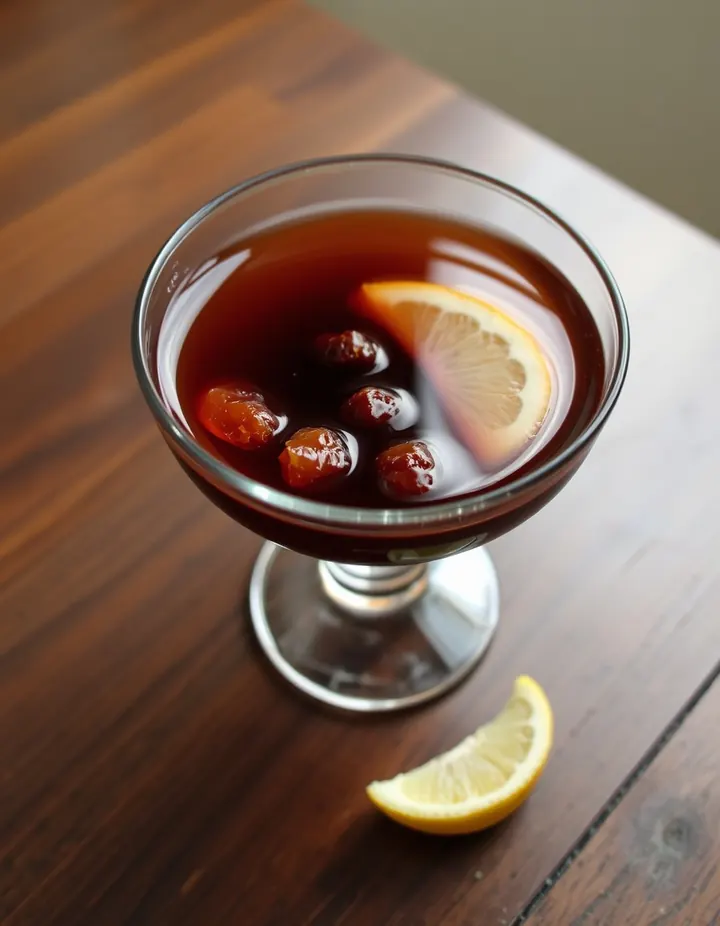 Raisin Wine64 recipes
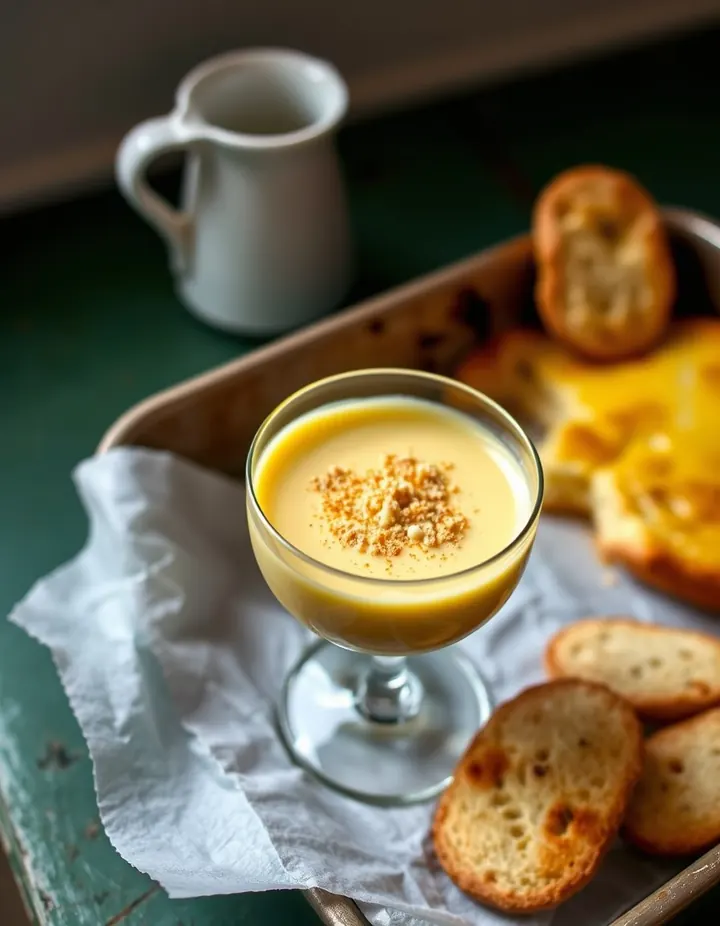 Egg Wine58 recipes
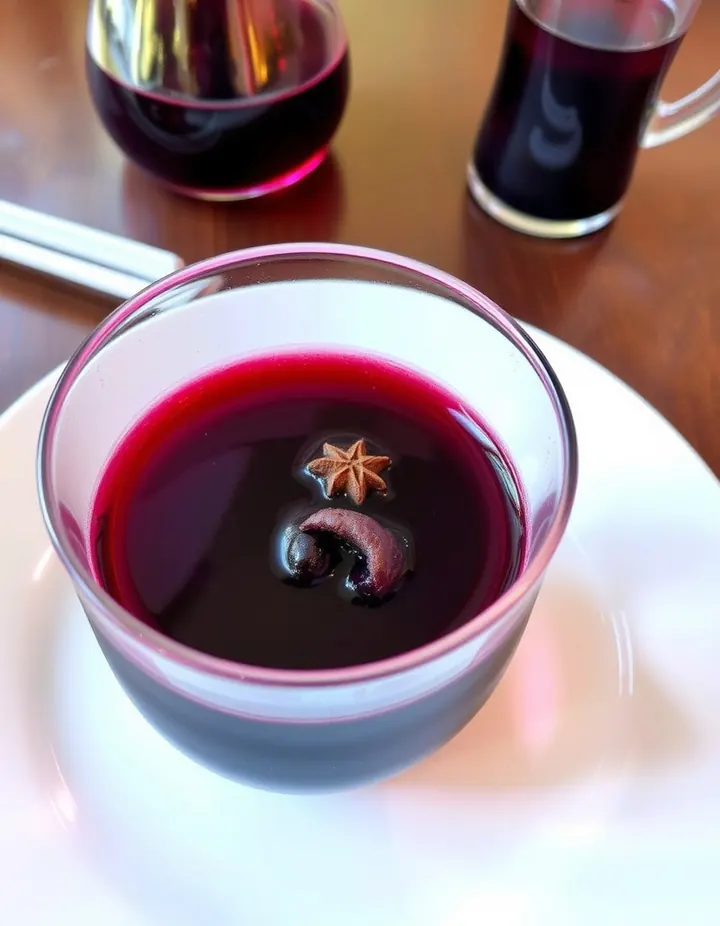 Elderberry Wine51 recipes
The free Flavor Lab newsletter: one surprising pairing a week and the molecular reason it works, in 60 seconds. No spam, unsubscribe anytime.
Prefer an account? Create a free account to save pairings and unlock the full chemistry.