Why it works: Nutmeg and allspice match in chemistry and in kitchens. They rank in the top 1% of all ingredient pairs, and 3,331 recipes mention both. Both carry estragole, which smells anise, licorice. The science ↓
To Pickle Gherkins
Ingredients
Directions
Prepare the gherkins
Gather small cucumbers or gherkins.
Soak them in cold salt-and-water for four days, covered with a cabbage leaf.
Drain the cucumbers.
Place them in a clean brass pan with vinegar or cabbage leaves at the bottom.
Cover with equal parts vinegar and water, adding a little pounded alum and more leaves on top.
Green and steep
Heat the mixture until scalding hot.
Remove from heat and let it cool.
Repeat heating and cooling throughout the day.
The next morning, heat the mixture twice again with fresh leaves under and over.
For six or eight dozen gherkins, add half a pint of vinegar and enough water to cover them.
Scald the mixture until the gherkins turn a good green.
Drain the gherkins.
Pour boiling water over them.
Let them sit briefly.
Pickle and seal
Transfer to wide-mouthed bottles or stone jars.
Prepare vinegar boiled with bruised nutmeg, ginger, black peppercorns, and whole allspice, one ounce each to a quart.
Pour the hot vinegar mixture over the gherkins.
Cover until cool.
Seal with bladders.
Transcribed from a scanned cookbook and modernised for today's kitchens. Where the book gave no heat or time, or said "a moderate oven", the temperatures and times here may be modern equivalents rather than the book's own figures.
Explore the science
The flavor team
The pairs that carry this dish. Each one is judged two ways: how much aroma chemistry they share, and how many recipes mention both.
-
Nutmeg + allspicetop 1% of all pairsAroma overlapstrongMentioned together3,331 recipes
Shared aroma: estragole (anise, licorice).
-
Ginger + allspicetop 1% of all pairsAroma overlapstrongMentioned together2,620 recipes
Shared aroma: estragole (anise, licorice).
-
Nutmeg + gingertop 5% of all pairsAroma overlapstrongMentioned together3,324 recipes
Shared aroma: estragole (anise, licorice).
-
Cucumber + cabbagetop 5% of all pairsAroma overlapstrongMentioned together722 recipes
Shared aroma: 2-isopropyl-3-methoxypyrazine (earthy, pea).
-
Cucumber + allspicetop 7% of all pairsAroma overlapstrongMentioned together501 recipes
Shared aroma: 2-methylbutyl acetate (fruit).
Ranks compare each pair with 20,000 random ingredient pairs on CompKitchen. How we score pairs
What each ingredient does
- Small cucumbers or gherkins
- Form the pickle itself; their firm flesh holds shape through repeated heating.
- Vinegar
- Provides the acidity that preserves the gherkins and gives the sharp pickled flavour.
- Pounded alum
- Helps the gherkins stay firm and crisp during repeated scalding.
- Salt
- Draws water out of the cucumbers during the long soak, firming their texture.
- Ginger
- Adds warm aromatic flavour to the spiced vinegar.
The step that matters
Scalding to a good green. Heating gherkins in acidic liquid can dull or discolour them, and overheating softens the flesh. Stop once they turn a good green, since further heating makes them soft and dull.
Flavor stand-ins for the cabbage
How well each one fits the dish's main ingredients (cucumber, vinegar, nutmeg, ginger, allspice):
- Radishbetter flavor fit
- Mustardbetter flavor fit
- Shallotbetter flavor fit
- Cabbagethe original
Fit is the average pairing score against cucumber, vinegar, nutmeg, ginger, allspice. Candidates are from the same food group and used in at least 100 recipes. This compares flavor only: it does not check the job the ingredient does in the dish (bulk, moisture, acidity, structure).
“What each ingredient does” and “The step that matters” were written by Claude from this recipe’s own method and reviewed in samples by CompKitchen.
You might also like
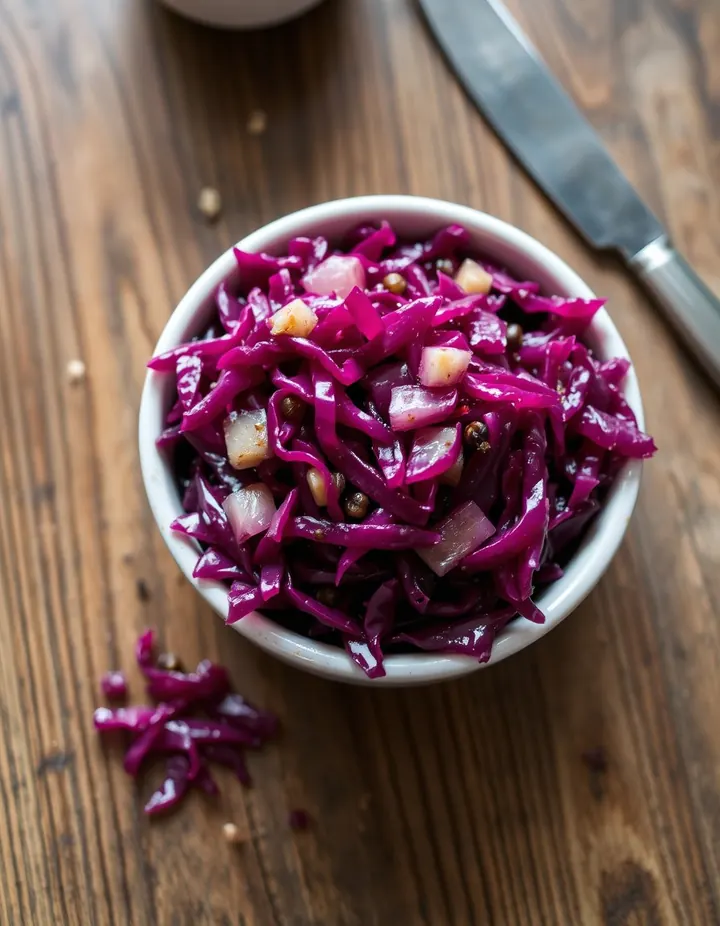 Red Cabbage65 recipes
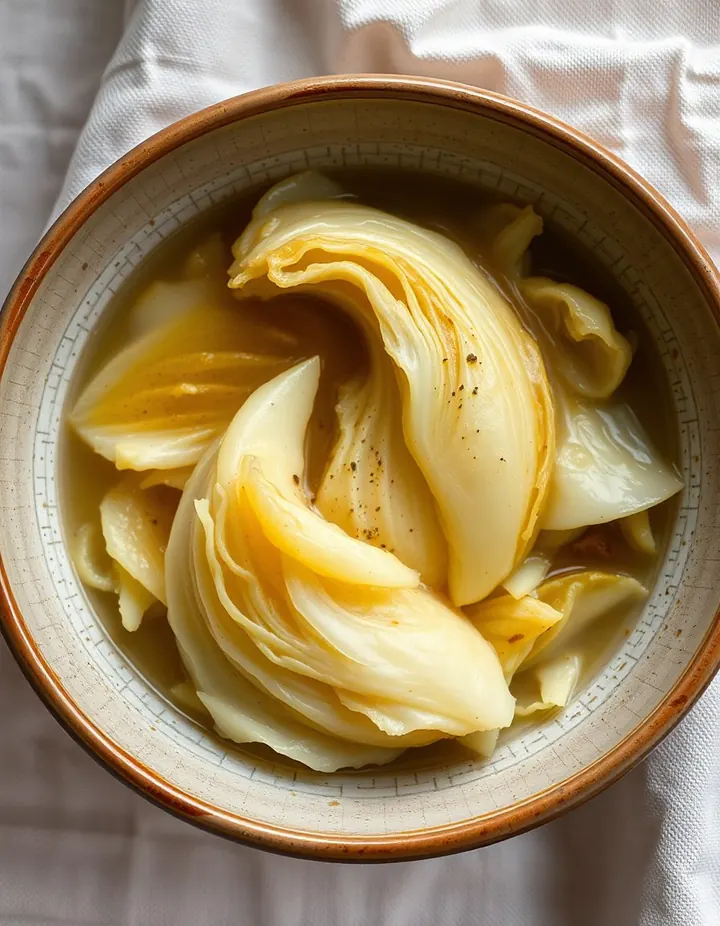 Stewed Cabbage58 recipes
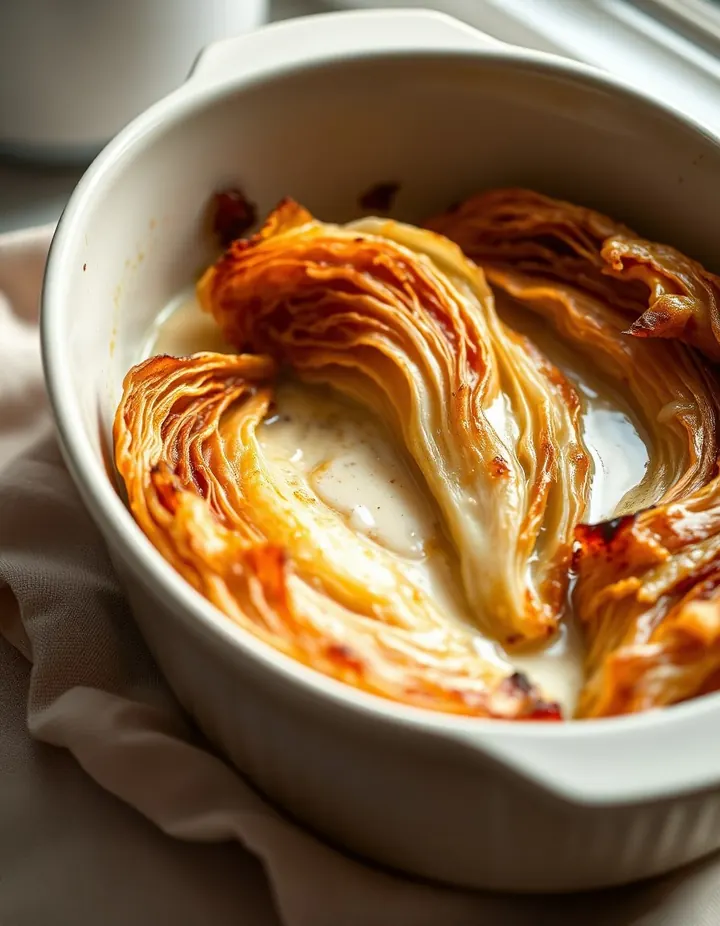 Baked Cabbage51 recipes
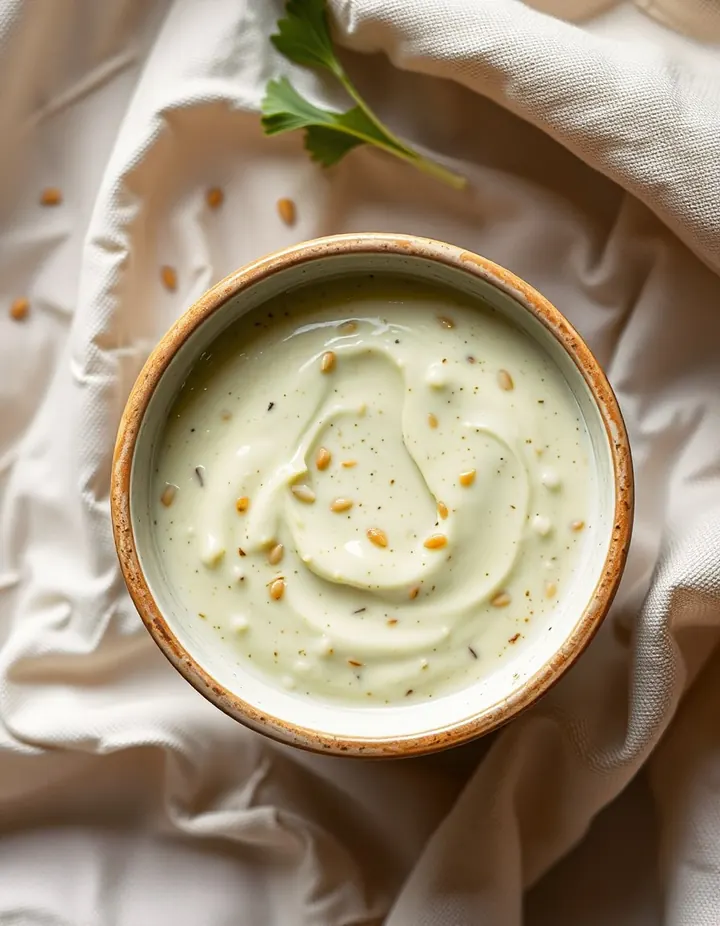 Cabbage Dressing19 recipes
The Sunday pairing: one pairing, the chemistry behind it, and how to cook it. No spam, unsubscribe anytime.
Prefer an account? Create a free account for sign-in; Pro adds the full results and chemistry.