Why it works: White wine and red wine share more aroma than cooks usually use. They rank in the top 1% of all ingredient pairs, and cooks put them together in 97 recipes. Both carry beta-damascenone, which smells apple, rose. The science ↓
Xai Tiunx
Ingredients
Directions
Make the wine
In a large deep jug, combine the light white wine and red wine.
Dissolve enough sugar in the wine to sweeten it to your liking.
Slice the China orange into thick slices without peeling and add to the wine.
Add small bunches of washed and drained woodruff to the jug.
Cover the jug tightly to exclude air and let it sit until the next day.
Serve
Serve to visitors on May Day.
Transcribed from a scanned cookbook and modernised for today's kitchens. Where the book gave no heat or time, or said "a moderate oven", the temperatures and times here may be modern equivalents rather than the book's own figures.
Explore the science
The flavor team
The pairs that carry this dish. Each one is judged two ways: how much their aromas overlap, and how often cooks already put them together.
-
White wine + red winetop 1% of all pairsSmell alikestrongCooked together97 recipes
Shared aroma: beta-damascenone (apple, rose).
-
White wine + orangetop 14% of all pairsSmell alikemoderateCooked together730 recipes
Shared aroma: beta-damascenone (apple, rose).
-
Red wine + orangetop 15% of all pairsSmell alikemoderateCooked together288 recipes
Shared aroma: beta-damascenone (apple, rose).
-
Sugar + orangetop 20% of all pairsSmell alikelowCooked together19,212 recipes
Shared aroma: beta-damascenone (apple, rose).
-
White wine + sugartop 30% of all pairsSmell alikelowCooked together2,586 recipes
Shared aroma: beta-damascenone (apple, rose).
Sugar and orange barely smell alike, yet cooks put them together in 19,212 recipes: they work on texture and structure more than aroma.
Ranks compare each pair with 20,000 random ingredient pairs on CompKitchen. How we score pairs
What each ingredient does
- Light white wine
- Forms the base of the drink and provides its main liquid volume.
- Red wine
- Adds body, colour and depth to the base wine.
- Sugar
- Sweetens the wine to the taste of the drinker.
- China orange
- Adds citrus aroma and a light bitterness from the unpeeled slices.
- Woodruff
- Infuses the wine with its distinctive sweet, hay-like aroma.
The step that matters
Cover the jug tightly to exclude air. Sealing the jug limits oxidation, which can dull the flavour and freshness of the wine while the herbs and fruit infuse overnight.
Swap the orange
How well each one fits the dish's main ingredients (white wine, red wine, sugar):
- Plumfits better
- Pearfits better
- Applefits better
- Orangethe original
Fit is the average pairing score against white wine, red wine, sugar. Candidates are from the same food group and used in at least 100 recipes.
“What each ingredient does” and “The step that matters” were written by Claude from this recipe’s own method and reviewed in samples by CompKitchen.
You might also like
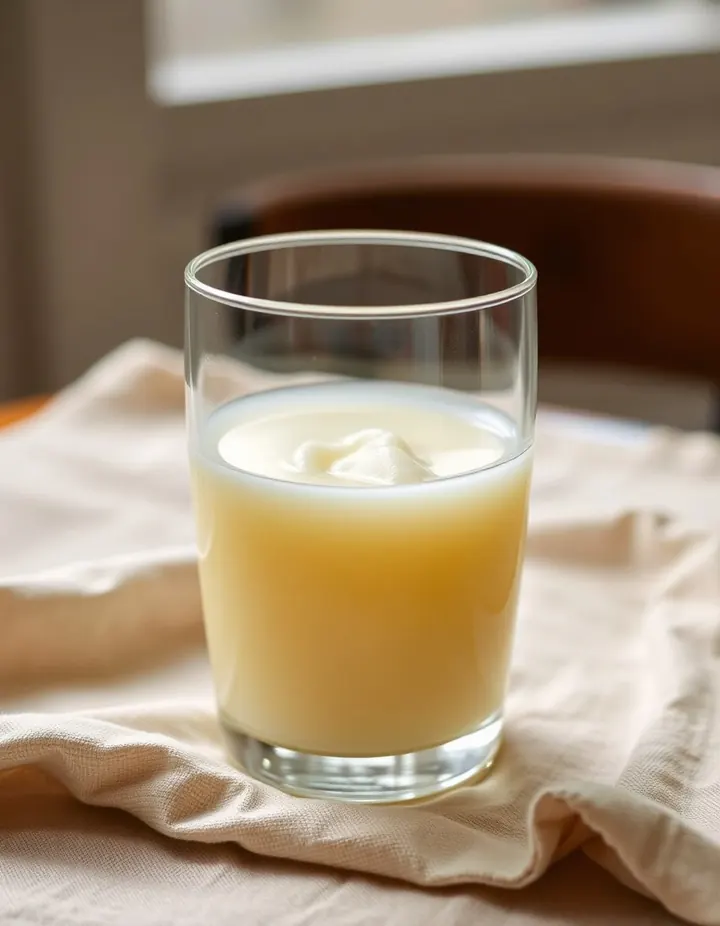 Wine Whey111 recipes
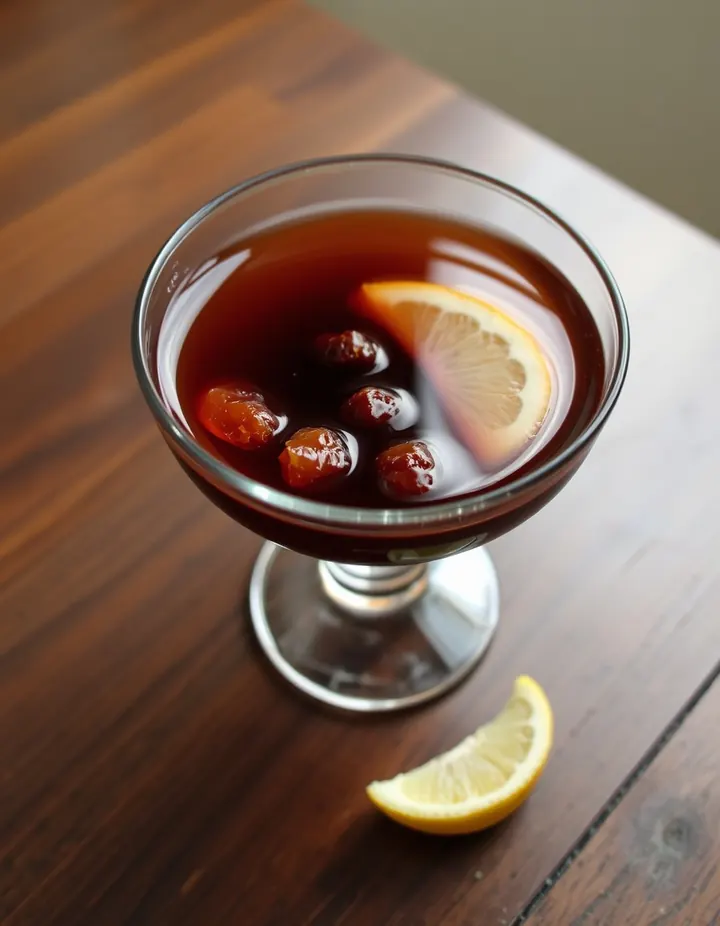 Raisin Wine64 recipes
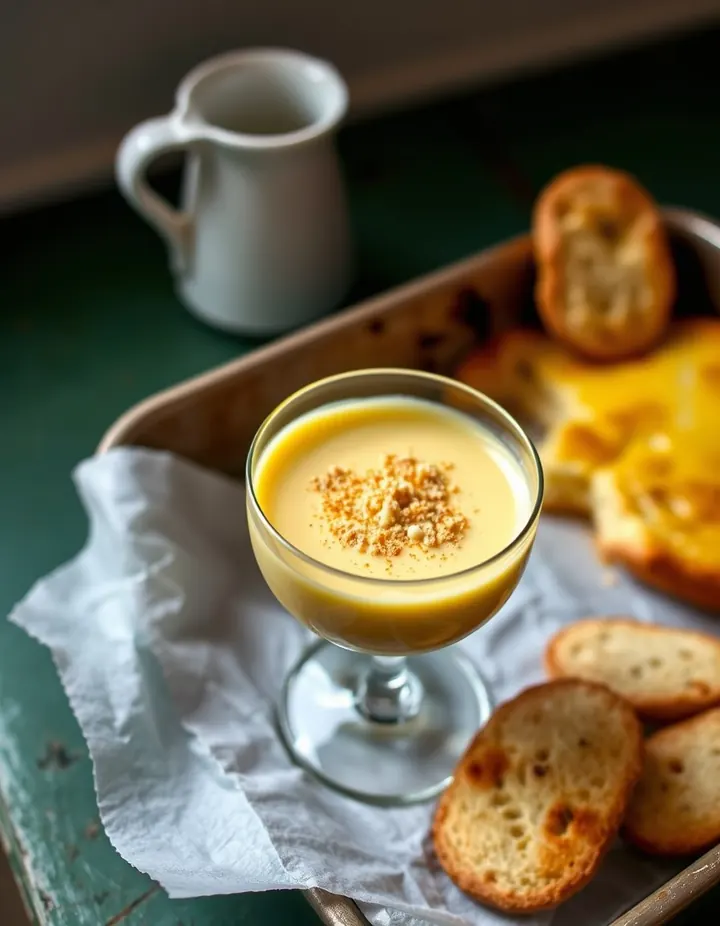 Egg Wine58 recipes
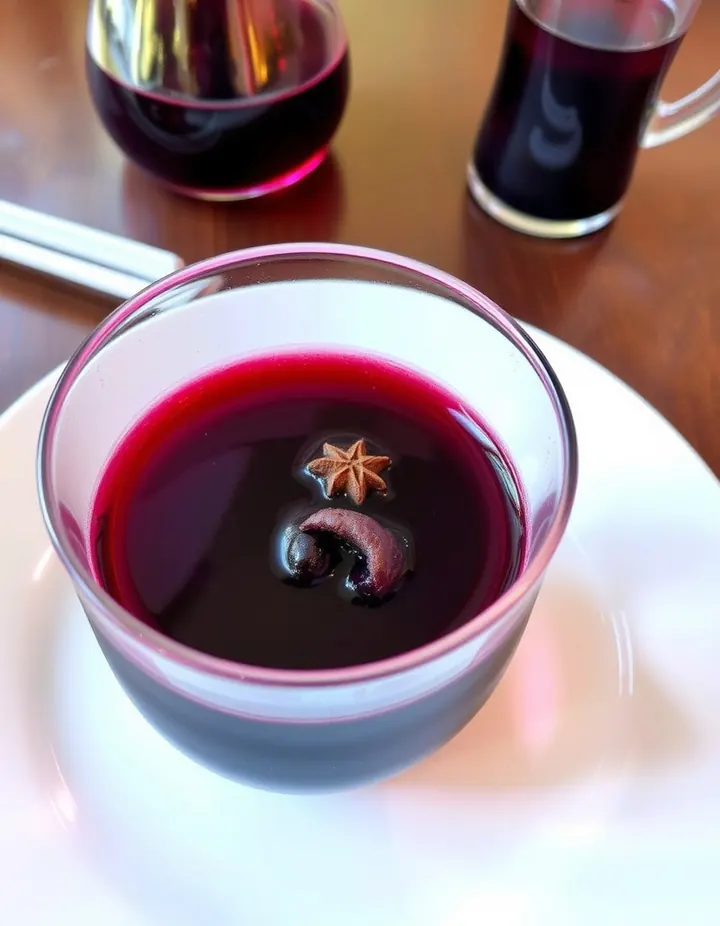 Elderberry Wine51 recipes
The free Flavor Lab newsletter: one surprising pairing a week and the molecular reason it works, in 60 seconds. No spam, unsubscribe anytime.
Prefer an account? Create a free account to save pairings and unlock the full chemistry.