Why it works: Mace and clove match in chemistry and in kitchens. They rank in the top 2% of all ingredient pairs, and 8,199 recipes mention both. Both carry methyleugenol, which smells clove, spice. The science ↓
Panned Oysters
Ingredients
Directions
The book says “a quick oven”. The 400°F (200°C) in the steps is the modern equivalent, not the book's own figure.
Prepare the toast
Cut stale bread into thin slices and remove the crust to fit patty pans.
Toast the bread, butter it, and place it in the pans.
Moisten the bread with 3 to 4 teaspoons of oyster liquor.
Bake and serve
Layer oysters on top of the toast, sprinkle with pepper, and add a small piece of butter.
Place the pans in a baking pan, cover with a lid, and bake in a 400°F (200°C) oven for 7 to 8 minutes until the edges curl.
Remove the cover, sprinkle with coarse sea salt, replace the cover, and cook for 1 more minute.
Serve in the patty pans.
Transcribed from a scanned cookbook and modernised for today's kitchens. Where the book gave no heat or time, or said "a moderate oven", the temperatures and times here may be modern equivalents rather than the book's own figures.
Explore the science
The flavor team
The pairs that carry this dish. Each one is judged two ways: how much aroma chemistry they share, and how many recipes mention both.
-
Mace + clovetop 2% of all pairsAroma overlapstrongMentioned together8,199 recipes
Shared aroma: methyleugenol (clove, spice).
-
Bread + buttertop 3% of all pairsAroma overlapstrongMentioned together27,145 recipes
Shared aroma: delta-decalactone (sweet, creamy).
-
Pepper + clovetop 3% of all pairsAroma overlapstrongMentioned together13,144 recipes
Shared aroma: ethyl octanoate (fruity, wine).
-
Butter + creamtop 3% of all pairsAroma overlapstrongMentioned together41,494 recipes
Shared aroma: delta-dodecalactone (sweet, creamy).
-
Bread + oystertop 5% of all pairsAroma overlapmoderateMentioned together2,544 recipes
Shared aroma: 2-nonenal (fatty, green).
Ranks compare each pair with 20,000 random ingredient pairs on CompKitchen. How we score pairs
What each ingredient does
- Oysters
- Provide the main filling and their briny flavour as they cook briefly in the pan.
- Stale bread
- Forms the base that soaks up the oyster liquor and holds the oysters.
- Butter
- Adds richness and helps the toast and oysters brown gently.
- Oyster liquor
- Moistens the bread and carries the oyster flavour into the base.
The step that matters
Baking the oysters with the lid on. Covering the pans traps steam so the oysters cook gently in their own juices. Baking too long makes them tough and shrunken, so watch for the edges to curl and stop there.
Flavor stand-ins for the clove
How well each one fits the dish's main ingredients (bread, butter, oyster, pepper, cream, mace, flour):
- Nutmegbetter flavor fit
- Parsleybetter flavor fit
- Marjoramabout as good a flavor fit
- Clovethe original
Fit is the average pairing score against bread, butter, oyster, pepper, cream, mace, flour. Candidates are from the same food group and used in at least 100 recipes. This compares flavor only: it does not check the job the ingredient does in the dish (bulk, moisture, acidity, structure).
“What each ingredient does” and “The step that matters” were written by Claude from this recipe’s own method and reviewed in samples by CompKitchen.
You might also like
 Brown Bread461 recipes
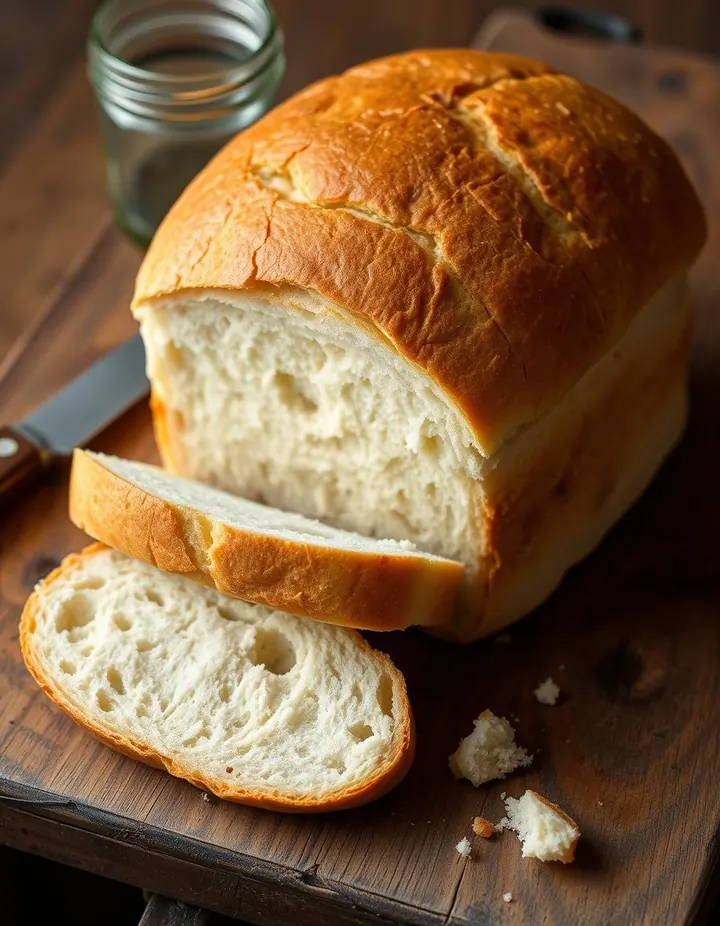 White Bread80 recipes
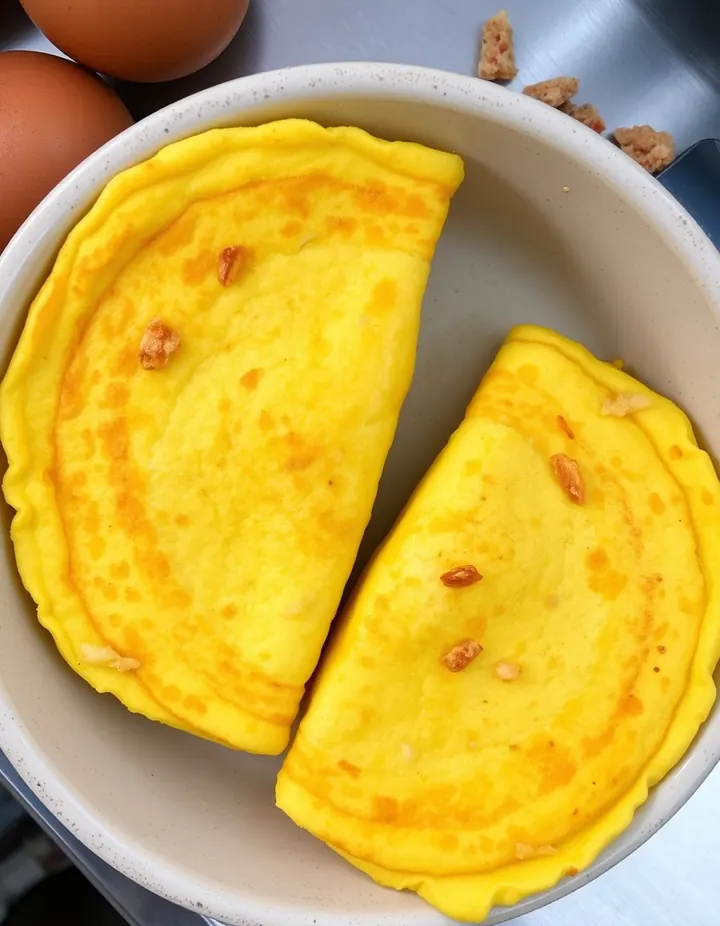 Bread Omelette60 recipes
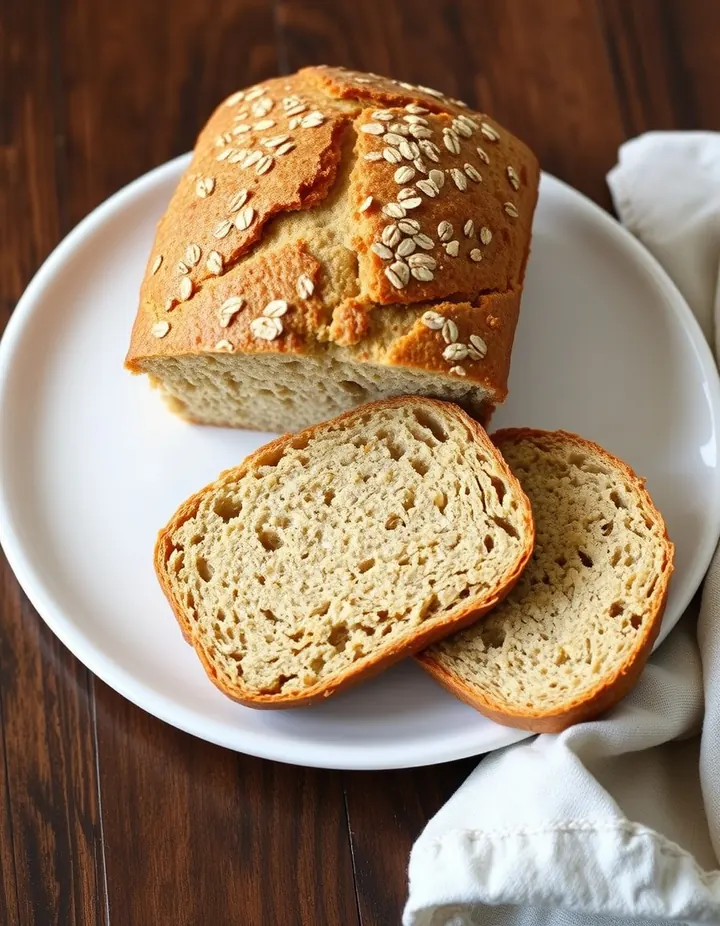 Oatmeal Bread51 recipes
The Sunday pairing: one pairing, the chemistry behind it, and how to cook it. No spam, unsubscribe anytime.
Prefer an account? Create a free account for sign-in; Pro adds the full results and chemistry.