Why it works: Vanilla and almond match in chemistry and in kitchens. They rank in the top 4% of all ingredient pairs, and cooks put them together in 3,961 recipes. Both carry eucalyptol, which smells eucalyptus, herbal. The science ↓
Meringues or Kisses
Ingredients
Directions
The book says “a moderate oven”. The 350°F (175°C) in the steps is the modern equivalent, not the book's own figure.
Prepare the meringue
Preheat the oven to 350°F (175°C).
Whisk the egg whites to stiff peaks.
Quickly stir in the sugar with a wooden spoon.
Prepare baking sheets with strips of paper, ensuring they are about 2 inches wide.
Drop tablespoonfuls of the mixture onto the paper, shaping them like eggs and spacing them 2 inches apart.
Sprinkle sifted sugar over the meringues.
Bake for 30 minutes, removing them as soon as they begin to color.
Hollow and dry
Gently lift the paper and turn it onto a table.
Using a small spoon, remove the soft part of each meringue.
Place clean paper on the baking sheet.
Turn the meringues upside down.
Return them to the oven to harden and brown the other side.
Fill and serve
When ready to serve, fill the meringues with whipped cream flavored with liquor or vanilla and sweetened with pounded sugar.
Join two meringues together and stack them high on a dish.
For variation, sprinkle with chopped almonds or currants before adding sugar, and garnish with preserves.
Transcribed from a scanned cookbook and modernised for today's kitchens. Where the book gave no heat or time, or said "a moderate oven", the temperatures and times here may be modern equivalents rather than the book's own figures.
Explore the science
The flavor team
The pairs that carry this dish. Each one is judged two ways: how much their aromas overlap, and how often cooks already put them together.
-
Vanilla + almondtop 4% of all pairsSmell alikestrongCooked together3,961 recipes
Shared aroma: eucalyptol (eucalyptus, herbal).
-
Sugar + vanillatop 8% of all pairsSmell alikelowCooked together35,032 recipes
Shared aroma: beta-damascenone (apple, rose).
-
Sugar + creamtop 9% of all pairsSmell alikemoderateCooked together43,450 recipes
Shared aroma: 2,3-butanedione (butter, sweet).
-
Cream + vanillatop 15% of all pairsSmell alikelowCooked together12,301 recipes
Shared aroma: 2-nonanone (fruity, floral).
-
Cream + almondtop 16% of all pairsSmell alikemoderateCooked together5,130 recipes
Shared aroma: 2-heptanol (bitter, floral).
Sugar and vanilla barely smell alike, yet cooks put them together in 35,032 recipes: they work on texture and structure more than aroma.
Ranks compare each pair with 20,000 random ingredient pairs on CompKitchen. How we score pairs
What each ingredient does
- Egg whites
- Whipped into stiff peaks, they form the airy foam that gives the meringue its structure.
- Fine white sugar
- Stabilizes the whipped foam and adds sweetness, helping the meringue set and dry crisp.
- Whipped cream
- Adds moisture and richness to the filling, contrasting with the crisp meringue shell.
The step that matters
Baking until just coloring. Meringue turns bitter and sticky if over-browned, and under-baked centers stay soft. Removing them as soon as they color, then drying the other side, keeps them crisp.
Swap the almond
The recipe marks almond as optional. How well each one fits the dish's main ingredients (sugar, egg, cream, vanilla):
- Almondthe original
- Chestnutfits about as well
- Hazelnutfits about as well
- Macadamia nutfits less well
Fit is the average pairing score against sugar, egg, cream, vanilla. Candidates are from the same food group and used in at least 100 recipes.
“What each ingredient does” and “The step that matters” were written by Claude from this recipe’s own method and reviewed in samples by CompKitchen.
You might also like
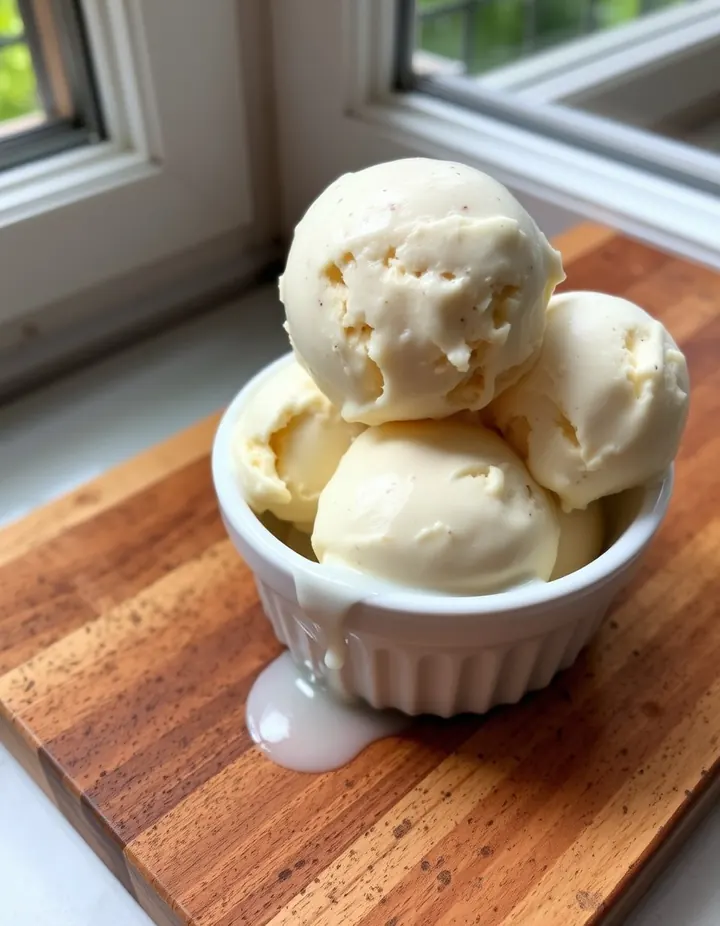 Vanilla Ice Cream108 recipes
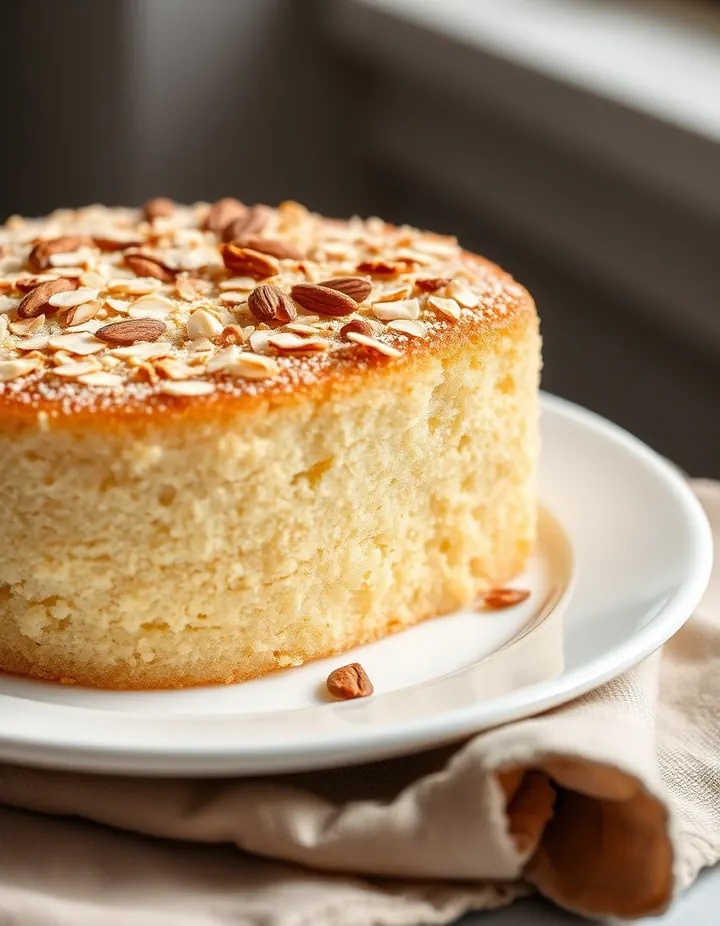 Almond Sponge Cake26 recipes
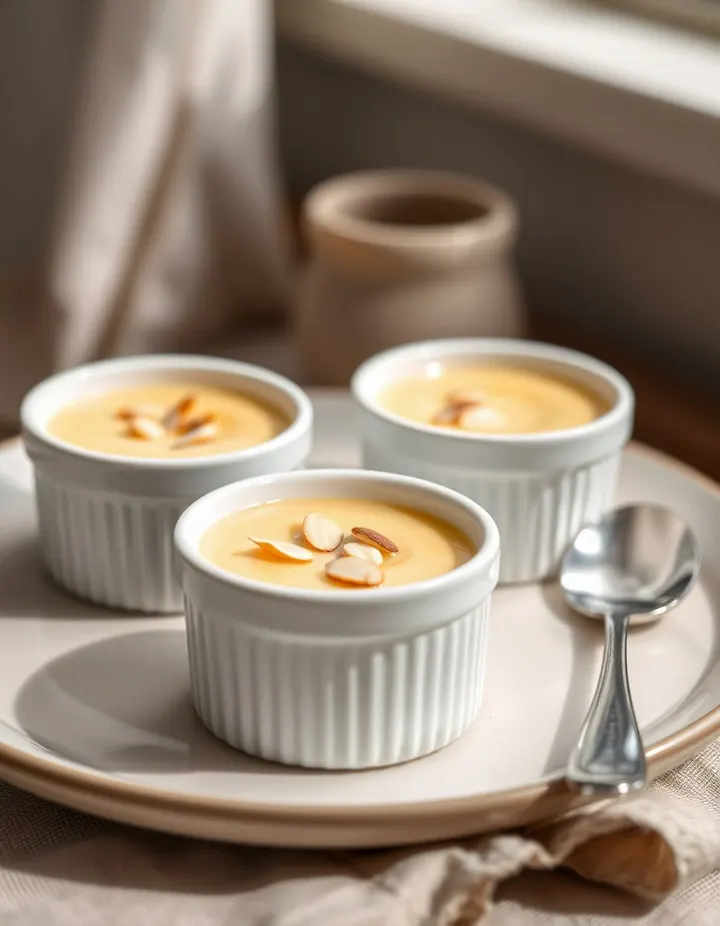 Almond Custard22 recipes
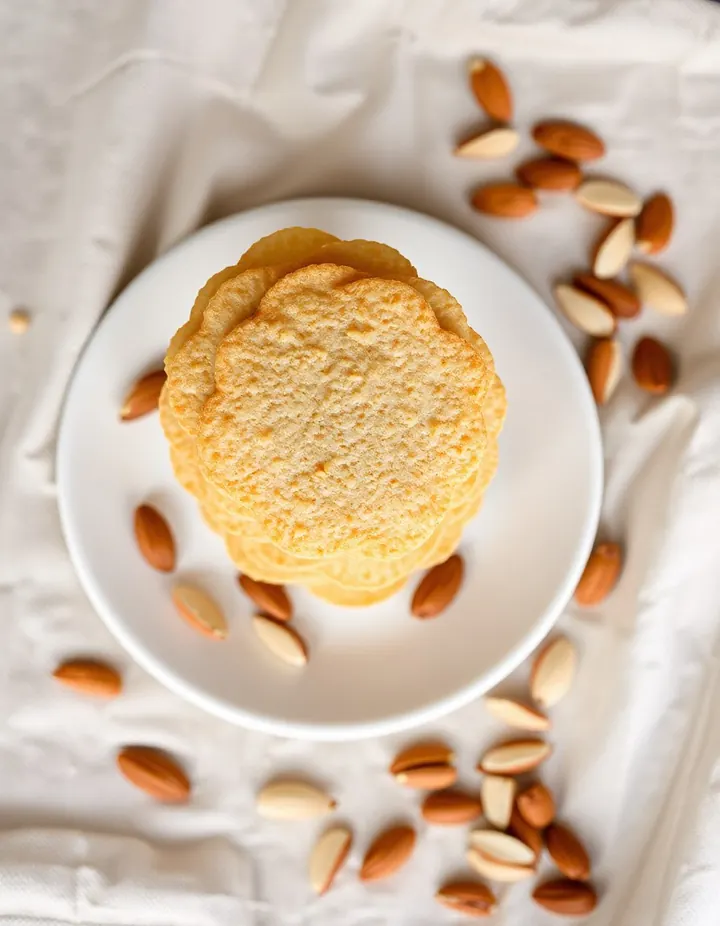 Almond Wafers22 recipes
The free Flavor Lab newsletter: one surprising pairing a week and the molecular reason it works, in 60 seconds. No spam, unsubscribe anytime.
Prefer an account? Create a free account to save pairings and unlock the full chemistry.