Why it works: Sage and parsley match in chemistry and in kitchens. They rank in the top 1% of all ingredient pairs, and cooks put them together in 1,445 recipes. Both carry beta-phellandrene, which smells minty, terpene. The science ↓
Roast Wild Goose
Ingredients
Directions
Prepare the goose
Remove the feathers from the goose.
Singe the goose.
Draw the goose.
Wash the goose.
Soak the goose in salted cold water for 30 minutes.
Rinse the goose in cold water.
Wipe the goose dry.
Rub the inside of the goose with salt.
Fill the goose with a mixture of bread crumbs, butter, pepper, salt, onion, apple, and sage.
Sew up the opening of the goose.
Roast
Place the goose on its back in a roasting pan with 1 cup of hot water and 2 tablespoons of butter.
Sprinkle the goose with salt.
Place thin slices of fat salt pork on the breast of the goose.
Baste the goose frequently during the first hour.
Add water to the pan as needed while basting.
Check for tenderness with a fork.
Once done, place the goose on a hot platter.
Garnish the goose with parsley.
Make the glaze and serve
Drain the fat from the pan.
Add 1 cup of hot water, a bit of butter, pepper, and salt to the glaze.
Thicken the glaze with browned flour.
Strain the glaze.
Serve the glaze in a sauceboat.
Transcribed from a scanned cookbook and modernised for today's kitchens. Where the book gave no heat or time, or said "a moderate oven", the temperatures and times here may be modern equivalents rather than the book's own figures.
Explore the science
The flavor team
The pairs that carry this dish. Each one is judged two ways: how much their aromas overlap, and how often cooks already put them together.
-
Sage + parsleytop 1% of all pairsSmell alikestrongCooked together1,445 recipes
Shared aroma: beta-phellandrene (minty, terpene).
-
Pepper + parsleytop 2% of all pairsSmell alikestrongCooked together34,122 recipes
Shared aroma: 4'-methylacetophenone (bitter almond).
-
Pepper + sagetop 3% of all pairsSmell alikestrongCooked together5,388 recipes
Shared aroma: beta-phellandrene (minty, terpene).
-
Bread + buttertop 7% of all pairsSmell alikemoderateCooked together27,232 recipes
Shared aroma: delta-decalactone (sweet, creamy).
-
Onion + parsleytop 9% of all pairsSmell alikemoderateCooked together25,843 recipes
Shared aroma: 2,4-decadienal (seaweed).
Ranks compare each pair with 20,000 random ingredient pairs on CompKitchen. How we score pairs
What each ingredient does
- Wild goose
- Provides the main meat, which becomes tender through slow roasting with basting.
- Bread crumbs
- Absorb the juices and pan drippings inside the bird, giving the stuffing a moist texture.
- Butter
- Adds fat that moistens the meat during basting and promotes gentle browning.
- Fat salt pork
- Lays fat over the breast, basting the meat as it renders and keeping it moist.
- Apple
- Adds moisture and mild sweetness to the stuffing, balancing the rich meat.
- Browned flour (in the method)
- Thickens the pan juices into a glaze and adds a toasted, savory flavor.
The step that matters
Basting the goose frequently during the first hour. Basting spreads hot fat and juices over the surface, which helps the skin brown and keeps the lean meat from drying out during early roasting.
Swap the apple
How well each one fits the dish's main ingredients (bread, butter, pepper, onion, sage, pork, parsley):
- Lemonfits better
- Limefits better
- Avocadofits better
- Applethe original
Fit is the average pairing score against bread, butter, pepper, onion, sage, pork, parsley. Candidates are from the same food group and used in at least 100 recipes.
“What each ingredient does” and “The step that matters” were written by Claude from this recipe’s own method and reviewed in samples by CompKitchen.
You might also like
 Brown Bread461 recipes
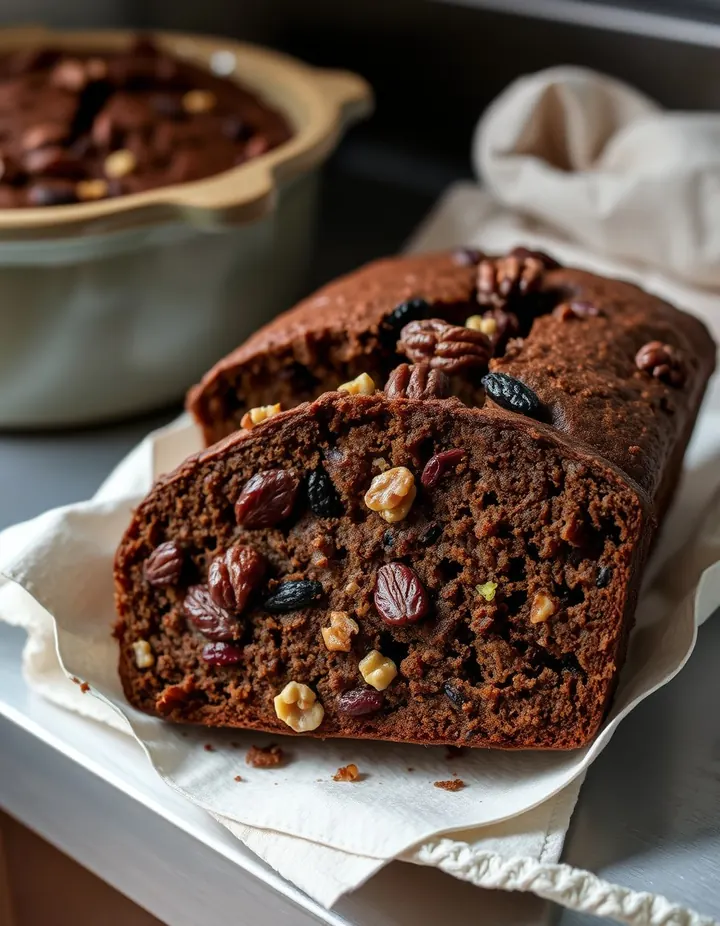 Pork Cake107 recipes
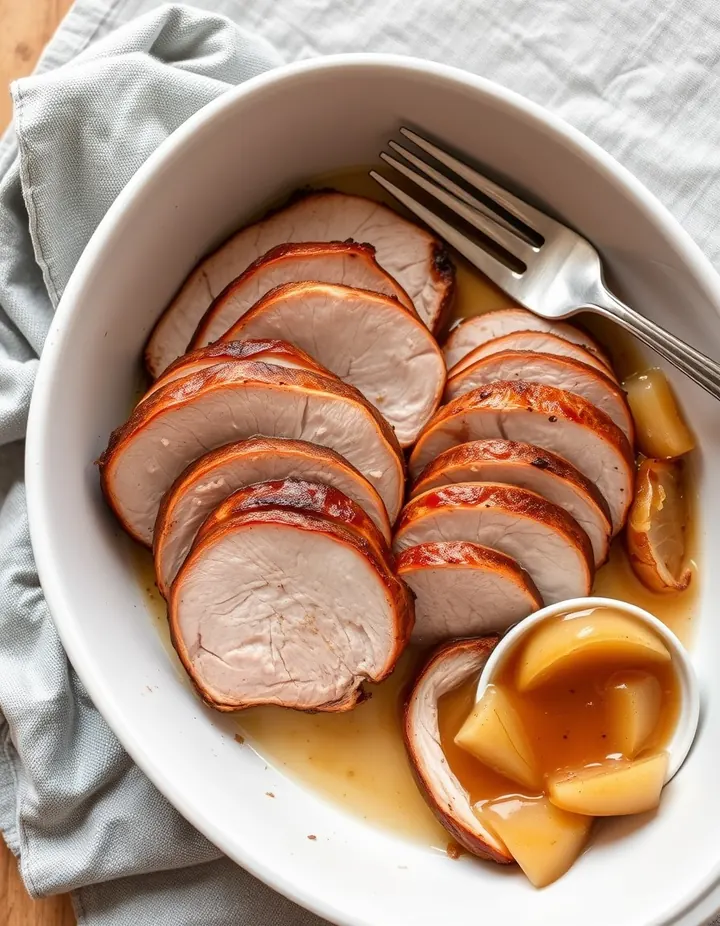 Roast Pork82 recipes
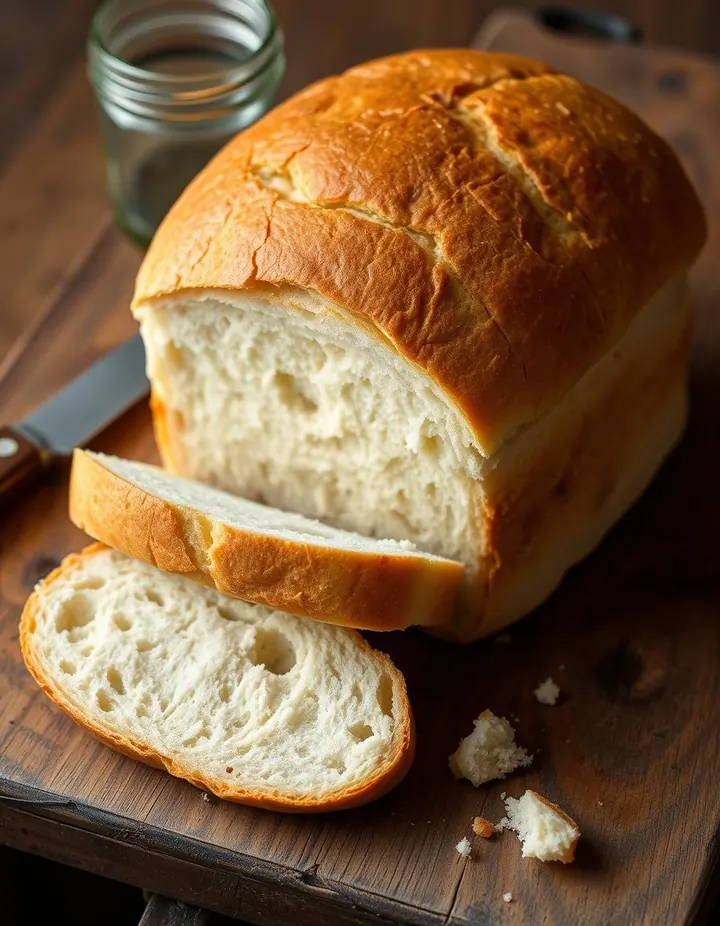 White Bread80 recipes
The free Flavor Lab newsletter: one surprising pairing a week and the molecular reason it works, in 60 seconds. No spam, unsubscribe anytime.
Prefer an account? Create a free account to save pairings and unlock the full chemistry.